
Last updated November 24, 2026
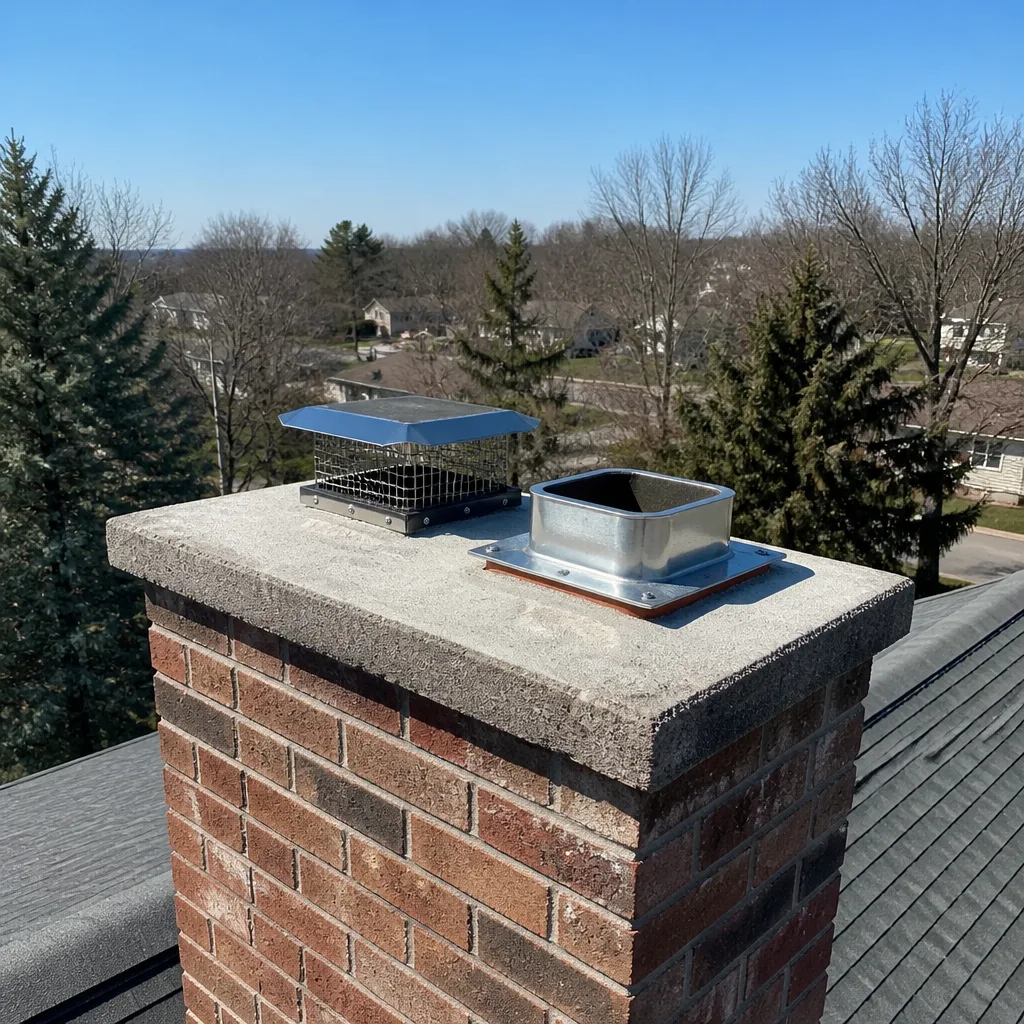 Sweep & inspection
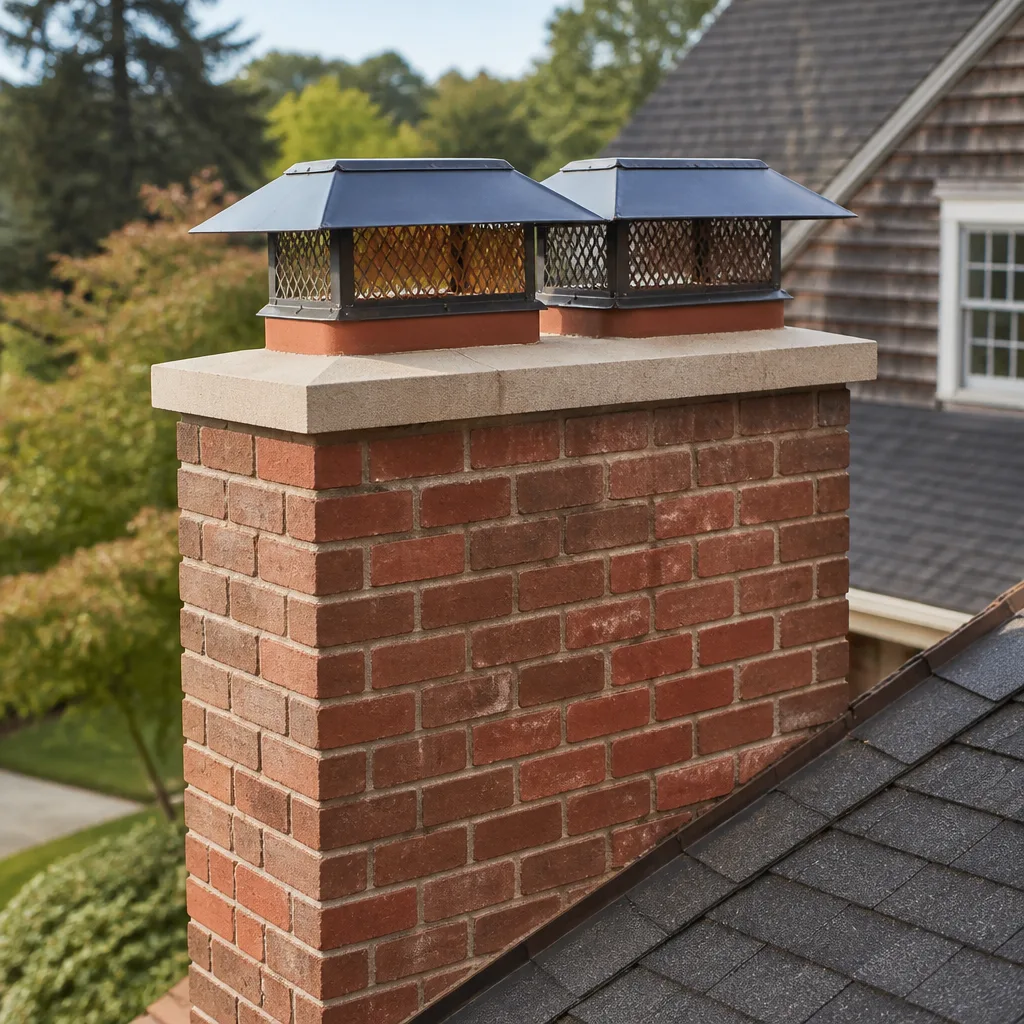 Caps & crowns
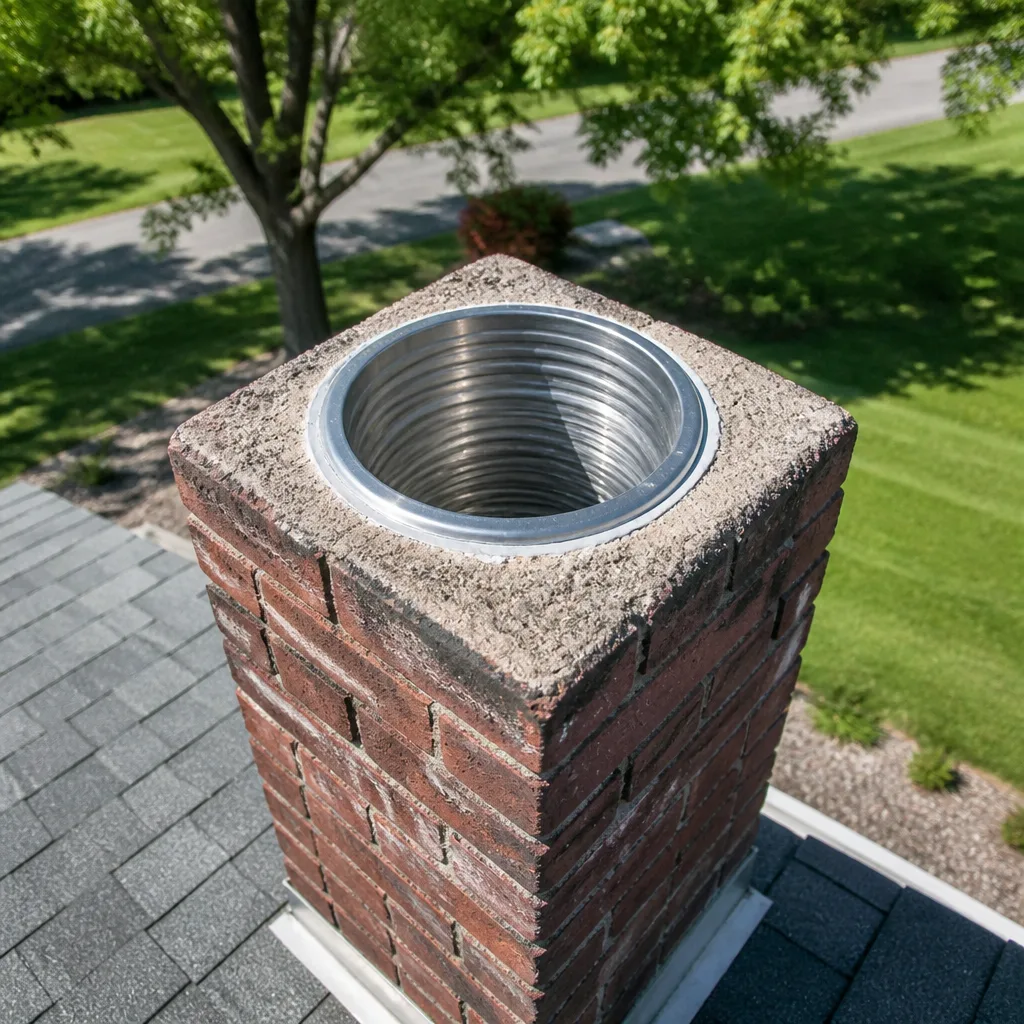 Flue relining
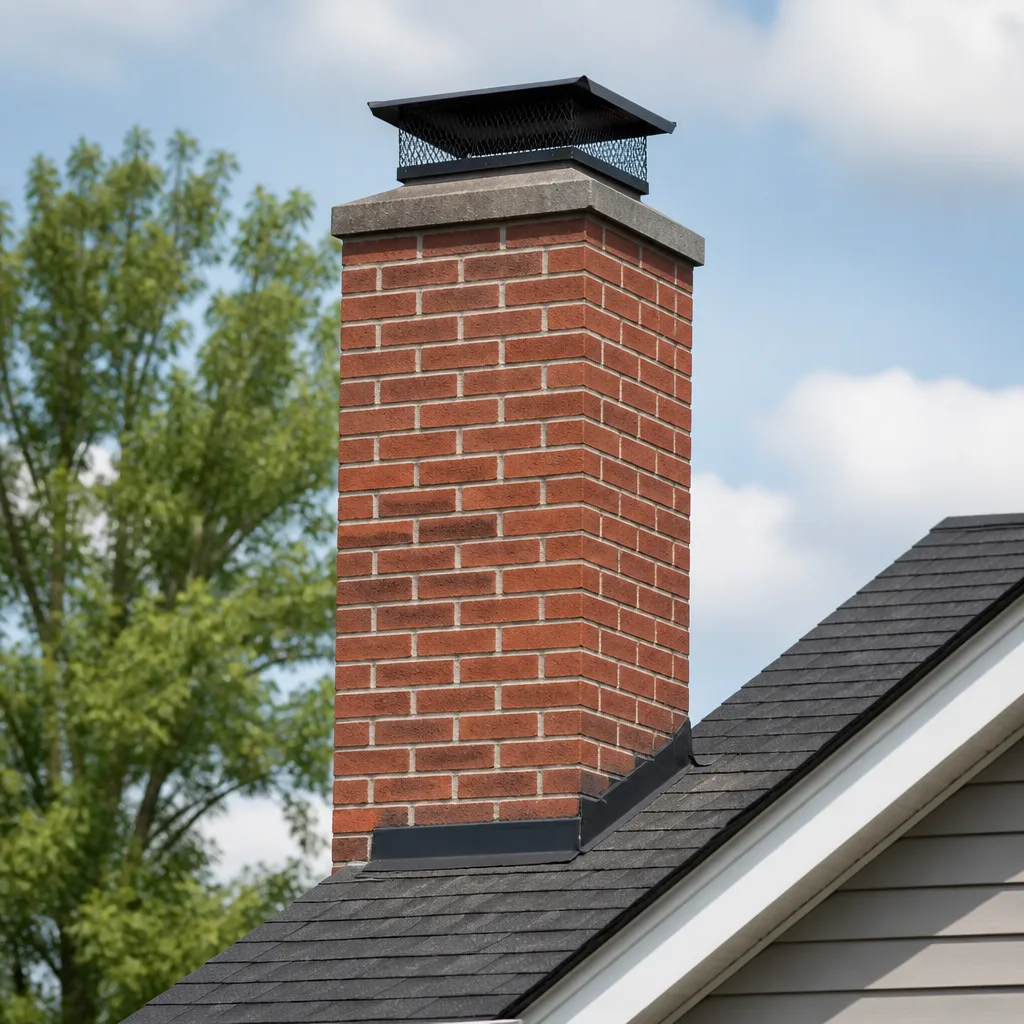 Masonry repair
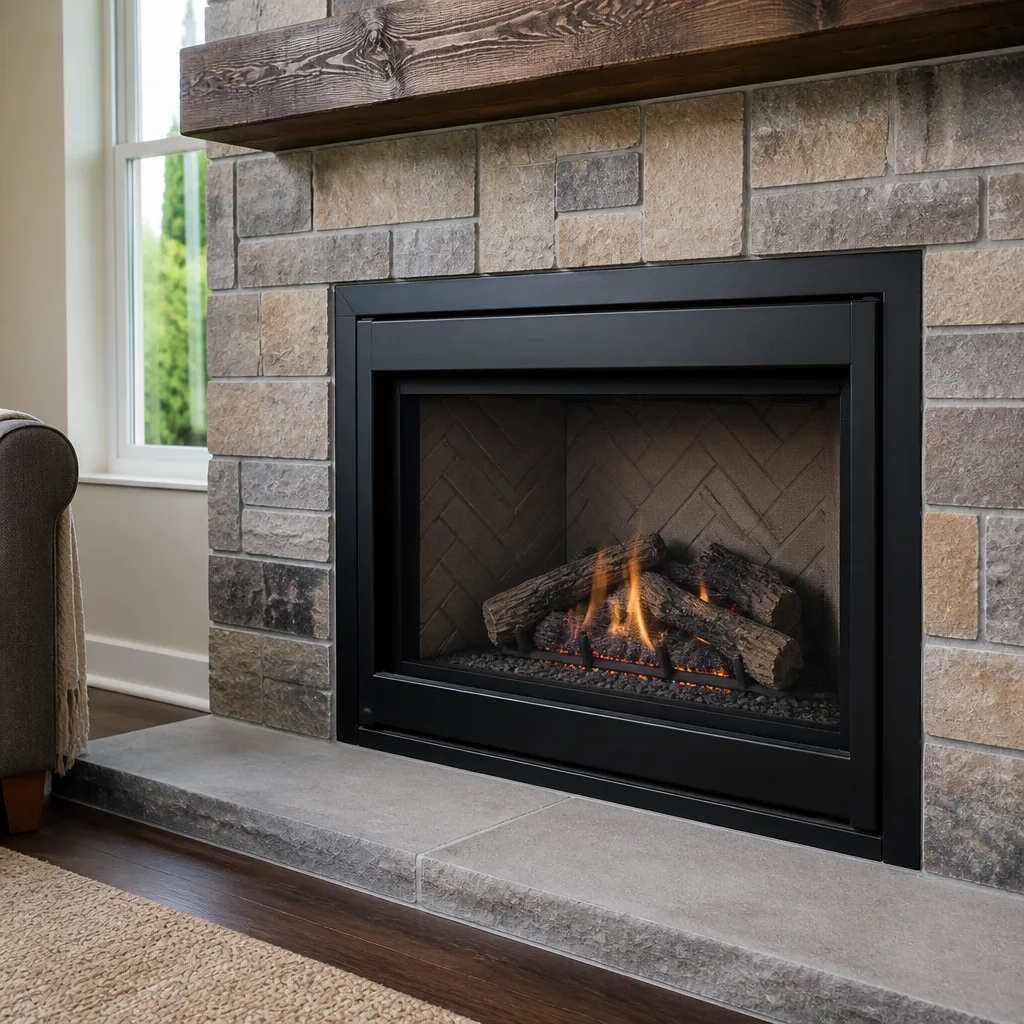 Gas fireplace service
Level 1 sweep and inspection to the NFPA 211 annual standard - flue, crown, cap, and flashing checked and photographed
Chimney sweep logs do not sweep chimneys. They loosen some creosote - which then falls where a brush and vacuum still have to collect it.
How to Hire a Chimney Cleaning Contractor in Saratoga Springs: A Step-by-Step Guide
Here’s the part of chimney work nobody tells you at the start: in Utah, there’s no state license specifically for chimney sweeps. Anyone with a brush, a ladder, and a van can legally advertise chimney cleaning in Saratoga Springs. The trade draws a lot of generalist handymen who tack chimneys onto a list of other services, and the gap between a certified specialist and a generalist usually only shows up later, when a cracked crown or a wrongly sized liner makes itself known. This guide gives you the specific credentials to verify, the exact questions to ask on a quote call, and the red flags that separate a real chimney professional from an opportunist.
Quick Answer
To hire a chimney cleaning contractor in Saratoga Springs, verify current CSIA certification directly with the Chimney Safety Institute of America rather than trusting a logo, ask whether they inspect the whole system or just sweep the flue, and insist on a written estimate and a report you can read before any extra work is authorized. A legitimate contractor will answer all of these without hesitation and will never pressure you to approve work the same day. Because Utah doesn’t license chimney sweeps, that vetting responsibility sits entirely with you as the homeowner.
Styles & brands we work with
- Sweep & inspection
- Caps & crowns
- Flue relining
- Masonry repair
- Gas fireplace service
Table of Contents
- Why Chimney Contractor Hiring Works Differently in Utah
- What CSIA Certification Actually Verifies
- The Questions to Ask on a Quote Call
- Why the Lowest Bid Is Riskier in Chimney Work
- How to Read a Chimney Inspection Report
- Red Flags in Contractor Behavior
- Saratoga Springs-Specific Hiring Considerations
- The Step-by-Step Hiring Process
Why Chimney Contractor Hiring Works Differently in Utah
Most trades you hire around the house are gated by a state license. Utah licenses electricians, plumbers, and general contractors, and you can look any of them up in a public database before they set foot on your property. Chimney sweeping isn’t in that group. There’s no Utah state license specifically for chimney sweeps, so the credential that separates a trained chimney professional from a side-service handyman is voluntary. It comes from the industry itself, not the government.
That single fact reshapes how you should shop. In licensed trades, the license is a floor – it doesn’t guarantee quality, but it guarantees a minimum. In chimney work, there is no floor unless you build one through your own questions. Anyone with a brush and a van can show up at your door in Saratoga Springs and charge for a cleaning. Whether they know the difference between a clay tile flue and a properly sized stainless liner is another matter entirely.
This matters more in Saratoga Springs than people expect. Homes here burn wood through long, cold winters, and a chimney that gets heavy use builds up creosote faster than one used a few times a season. A generalist who sweeps the visible flue and calls it done may leave behind the very deposits that make a chimney fire possible. The work looks finished. The risk isn’t.
So treat the hiring process the way you’d treat hiring an electrician if electricians weren’t licensed: assume nothing, verify everything, and put more weight on what a contractor can show you than on what they tell you. The rest of this guide is the checklist we’d hand a friend.
What CSIA Certification Actually Verifies
CSIA stands for the Chimney Safety Institute of America, and its certified sweep credential is the closest thing the chimney trade has to a recognized standard. When a contractor holds current CSIA certification, it means they’ve passed a written exam covering chimney and venting systems, they’ve signed on to a code of ethics, and they’ve committed to renewing that credential rather than letting it lapse. It’s a knowledge and accountability signal, not a guarantee of every job, but it’s the best single filter available.
The part most homeowners miss is the word current. Certifications expire. A contractor can legitimately display a CSIA badge earned years ago that is no longer active, and from the outside you can’t tell the difference between an active certificate and a lapsed one. So don’t take the logo at face value.
Here’s how to confirm it’s real and active:
- Ask the contractor for their CSIA certification number during the quote call.
- Look up that number directly on the Chimney Safety Institute of America’s own website rather than trusting a screenshot or a sticker on the van.
- Confirm the certification shows as current, not expired.
- Ask whether the person who will actually perform the work on your chimney is the certified individual, or whether an uncertified helper will be sent instead.
That last question matters more than it sounds. Some operations are run by a certified owner who never climbs a roof, sending untrained labor to do the actual sweep. The certificate is real; the person on your chimney isn’t the one it belongs to. Asking directly clears this up fast.
CSIA certification also tells you something about how a contractor thinks. The exam covers venting, liner sizing, draft, and combustion byproducts – the systems-level knowledge that separates a chimney professional from someone who only knows how to push a brush. In a state with no licensing requirement, that’s the difference worth paying attention to. Our technicians have up to 15 years of experience, and we’d rather you verify a credential than take our word for it.
The Questions to Ask on a Quote Call
The quote call is where you’ll learn the most in the least time. A contractor who understands chimney systems will answer specific questions with specific answers. A generalist will give you vague, agreeable responses that sound fine until you notice they never actually said anything.
Ask these, and listen for how they respond:
- “Do you inspect the whole system or just sweep the flue?” A specialist checks the firebox, the liner, the crown, the cap, the flashing, and the exterior masonry. Someone who only sweeps the flue is doing surface work.
- “Will I get a written report, and does it include photos or video?” Camera inspection lets you see what the contractor sees. If they can’t show you, you have no way to judge whether recommended work is necessary.
- “What do you charge, and is the price fixed before you start?” You want a flat price agreed before the work begins, not an hourly rate that can drift.
- “If you find a problem, how will you explain it to me?” The answer should involve showing you evidence, not just telling you a number.
- “Are you CSIA certified, and what’s your certification number?” Then verify it yourself.
- “What brands of liner and repair materials do you work with?” A real chimney specialist names trade-grade products – DuraFlex liner systems, HeatShield resurfacing, Gelco or Olympia Chimney components, Famco caps, Copperfield crowns. Someone who says “whatever’s at the hardware store” isn’t equipped for structural work.
One question reveals more than the rest: ask them to explain, in plain terms, what creosote is and why the type matters. A trained sweep will talk about the difference between sooty deposits and glazed, hardened creosote, and why the second kind is harder to remove and more dangerous. A generalist will say “it’s the stuff that builds up” and move on. That gap in vocabulary is the gap in training.
Why the Lowest Bid Is Riskier in Chimney Work
In most trades, a low bid usually means someone is hungry for work, or leaner on overhead, or simply willing to earn less. In chimney work, a low bid often means corners are being cut in ways you can’t see from the ground – and those corners carry real consequences.
Here’s what tends to get cut when a price is unusually low:
- The inspection. Skipping a proper camera inspection is the easiest way to shave time off a job. You get a sweep without a real look at the liner, the crown, or the flashing.
- Liner sizing. A flexible liner that’s the wrong diameter for your appliance can cause drafting problems and, in some cases, safety issues. Correct sizing takes knowledge and time.
- Material quality. Generic liners and repair compounds that aren’t rated for chimney conditions may fail years sooner than trade-grade products from names like DuraFlex or HeatShield.
- The cap and crown. These are the finishing steps that protect everything underneath from water intrusion. A low bid often skips them.
- Written documentation. Producing a proper report takes effort. An operation that won’t put anything in writing is telling you something about how they handle accountability.
A poorly sized or improperly installed liner isn’t just an inconvenience – it’s a venting problem, and venting problems relate directly to how combustion gases leave your home. In Saratoga Springs, where wood heat is common and winters are long, that’s not a place to save a few dollars. The cheap bid is only cheap until it has to be redone. Ask for a written estimate that spells out exactly what’s included, and compare scopes, not just totals.
How to Read a Chimney Inspection Report
A chimney inspection isn’t a formality before the real work – it’s the document that tells you what your chimney actually needs. The National Fire Protection Association breaks inspections into three levels, and understanding which one you received helps you judge whether the report is complete.
Level 1 is a visual check of readily accessible parts of the chimney and venting, typically done during a routine annual sweep. Level 2 adds a camera inspection of the flue interior and is the standard for a home purchase, a change in appliance, or after a chimney fire or seismic event. Level 3 is investigative and may involve opening walls or removing components when a serious hazard is suspected.
When you read the report, look for these things:
- What was actually inspected. Does it list the firebox, liner, crown, cap, flashing, and exterior masonry – or just the flue? A whole-system report covers all of it.
- Photos or video of any deficiency. You should be able to see the cracked tile or the deteriorated crown, not just read about it.
- The creosote condition. A proper report notes the degree of buildup and what it means for future use.
- Recommended work, separated by urgency. Some items are “do this before your next fire.” Others are “watch this and address it when it worsens.” A report that lumps everything into one urgent list is a sales document, not an inspection report.
- What can safely wait. A trustworthy contractor will tell you when a repair isn’t urgent. If every single line item is flagged as critical, ask them to explain which ones can be deferred and why.
Our rule of thumb is simple: an inspection tells you exactly what your flue needs, nothing more. Nothing gets recommended without camera evidence you can look at yourself, and we’ll tell you plainly when work can wait. That’s also what you should demand from any contractor you hire in Saratoga Springs.
Red Flags in Contractor Behavior
The credential questions catch the untrained. Behavioral red flags catch the trained-but-untrustworthy. Some contractors know chimneys perfectly well and still use that knowledge to sell work you don’t need. Watch for these:
- Vague scopes. “We’ll take care of it” is not a scope. A real estimate says what’s being done, with what materials, and what’s excluded.
- Same-day pressure. “This price is only good if you sign today” is a sales tactic, not a safety concern. A genuine hazard can be explained with evidence and give you time to think.
- No written estimate. If a contractor won’t put the price and the scope in writing before starting, walk away. This is non-negotiable.
- Refusing to show you the inspection findings. If you can’t see the photos or video of what they’re recommending, you can’t verify the recommendation is honest.
- Pricing that changes mid-job without explanation. Additional work should always come with a revised written estimate and your approval before it proceeds.
- Claiming credentials they can’t verify. If the CSIA number doesn’t check out, or they dodge the question, that tells you what you need to know.
- Pushing structural work without evidence. A recommendation for liner replacement or masonry repair should always be backed by something you can see.
The pattern behind all of these is the same: a contractor who won’t let you verify their claims is asking you to trust them instead of evidence. In chimney work, where the cost of a bad decision can be thousands of dollars and a real safety concern, verification isn’t optional.
Saratoga Springs-Specific Hiring Considerations
Saratoga Springs sits on the north end of Utah Valley, and the housing stock here shapes what chimney work looks like. Newer subdivisions often have factory-built fireplaces with metal flues, while older properties may have masonry chimneys with clay tile liners that have been through decades of freeze-thaw cycles. A contractor who works only one type isn’t the right hire for the other, so ask what kind of systems they’re most familiar with and whether they handle yours.
Our high-desert climate matters, too. Utah County swings between cold winters and hot, dry summers, and that temperature cycling stresses masonry, crowns, and flashing. A crack in a crown that would be minor in a mild climate can let water in during a freeze and do real damage when it expands. When you’re interviewing contractors in Saratoga Springs, ask how they handle crown repair and whether they use a product like HeatShield for flue resurfacing or Copperfield for crown work. The answer tells you whether they think about long-term water protection or just the immediate cleaning.
Wood heat is common here, which means creosote buildup is a real annual concern. If you burn regularly through the winter, an annual inspection and sweep isn’t a luxury – it’s how you keep the system safe. Ask any contractor you hire how often they recommend a sweep for your specific usage and appliance, and whether they’ll adjust that for a heavy-burn winter versus a light one.
Finally, if you’re buying or selling a home in Saratoga Springs, a Level 2 inspection is the standard the real estate process expects. Get a contractor who can produce a report a buyer and a seller can both read and understand.
The Step-by-Step Hiring Process
Here’s the full sequence, from first search to signed estimate. Follow it in order and you’ll avoid most of the traps.
- Shortlist two or three contractors. Look for ones that specialize in chimney work rather than treating it as an add-on. A dedicated chimney sweep operation will have a narrower service list and deeper expertise than a general handyman service.
- Verify CSIA certification. Request the certification number and check it directly with the Chimney Safety Institute of America. Confirm it’s current and that the certified person will actually be on your job.
- Ask the quote-call questions. Whole-system inspection, written report with photos, flat pricing, trade-grade materials. Note which contractors answer specifically and which stay vague.
- Request written estimates from each. Compare scopes, not just totals. A slightly higher bid that includes a proper inspection and a capped, protected finish is usually the better value.
- Schedule the sweep and inspection. Confirm what level of inspection you’re getting, especially if you’re buying or selling a home.
- Review the report before approving any work. Look for photos or video of every deficiency, and ask which items can safely wait.
- Authorize repairs only with a revised written estimate. If additional work is needed, it should be quoted and approved in writing before it proceeds.
- Keep the report. It’s your record of the chimney’s condition and the baseline for next year’s comparison.
One inspection, one crew, one point of accountability is what you’re aiming for. If your inspection turns up a need for structural work, a specialist who handles chimney repair and fireplace repair in the same visit avoids the handoff delays and finger-pointing that come with juggling multiple contractors. It also means the person who found the problem is the person who fixes it, which keeps the scope honest.
Common Mistakes to Avoid
- Hiring on price alone. The cheapest sweep in Saratoga Springs is often the one that skips the camera inspection and the cap check. You won’t notice until the next problem surfaces.
- Taking the CSIA logo at face value. Certifications expire. Verify the number is current and belongs to the person doing the work.
- Approving repairs before seeing evidence. If you can’t see the photo or video of the deficiency, you have no way to judge whether the recommendation is honest.
- Skipping the annual sweep because “it looked fine.” Creosote buildup and crown cracks aren’t visible from the living room. An annual inspection catches small issues before they become structural.
- Using a general handyman for chimney work. Chimneys are a system – firebox, liner, crown, cap, flashing. Generalists often treat them as a surface cleaning job.
- Never getting anything in writing. A written estimate and report protect you if the scope or price changes later.
- Ignoring the cap and crown. These are the parts that keep water out of everything underneath. Skipping them means your next repair costs more.
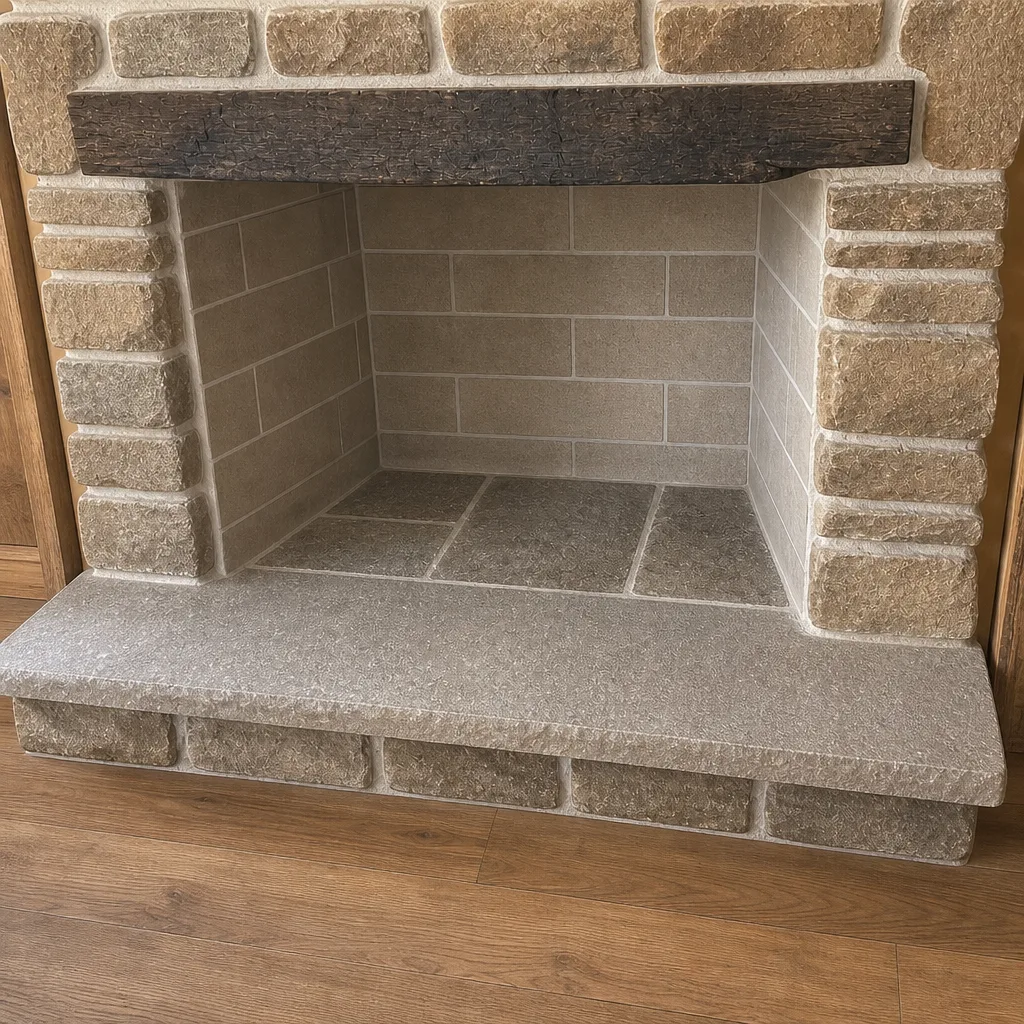
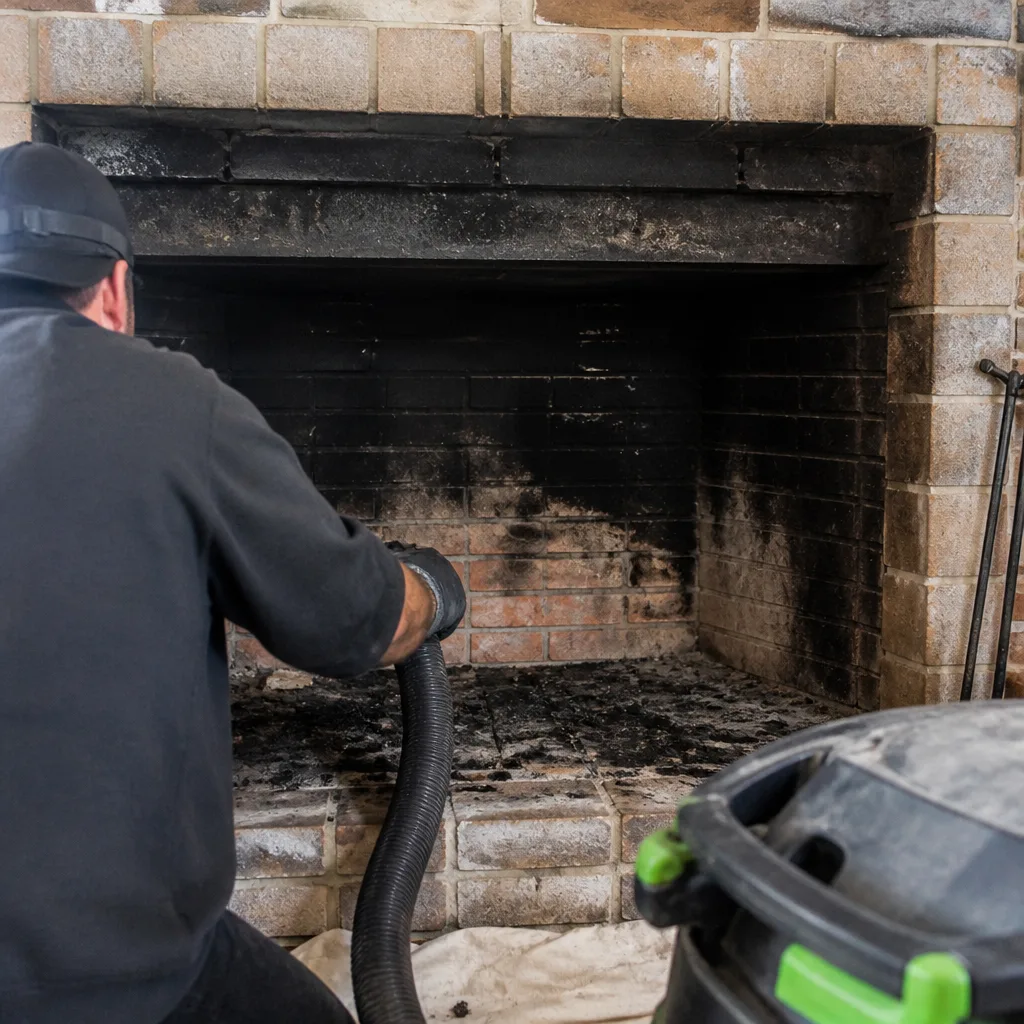
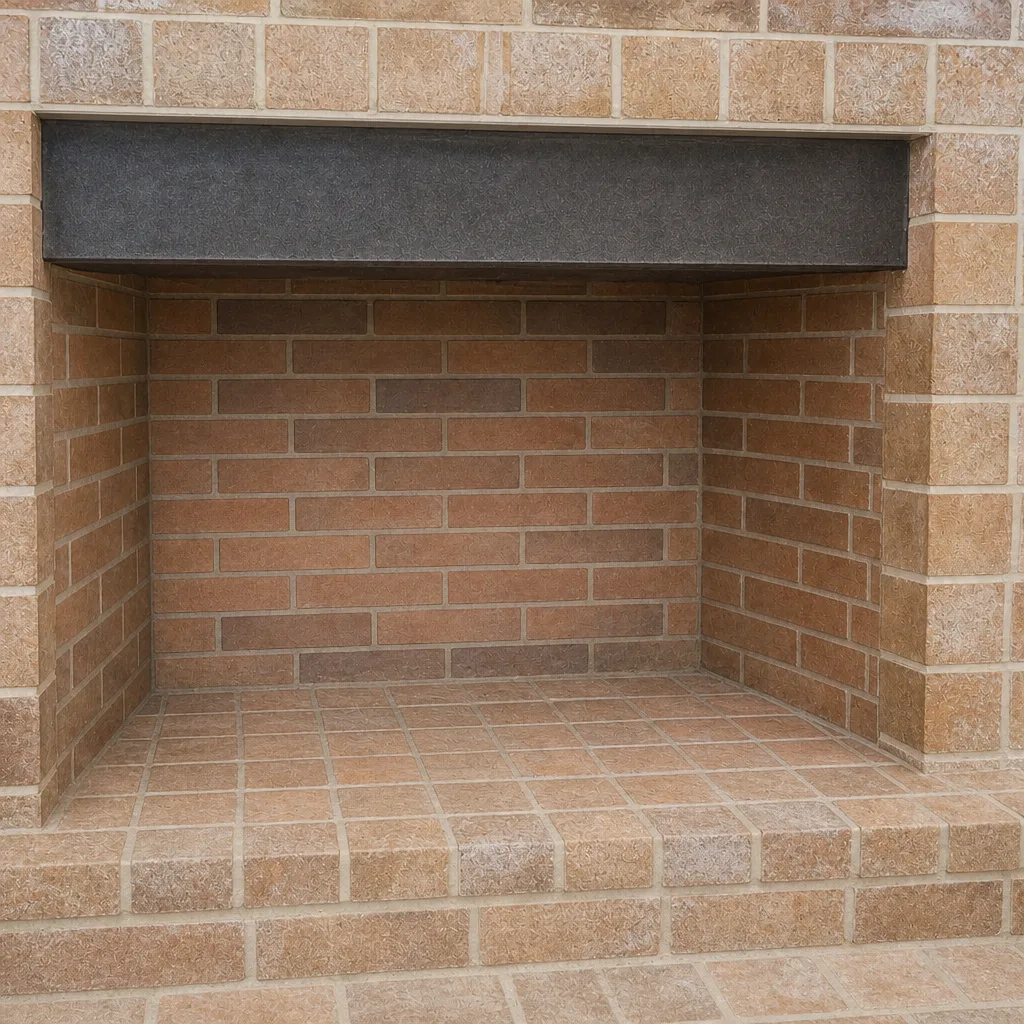
See the difference
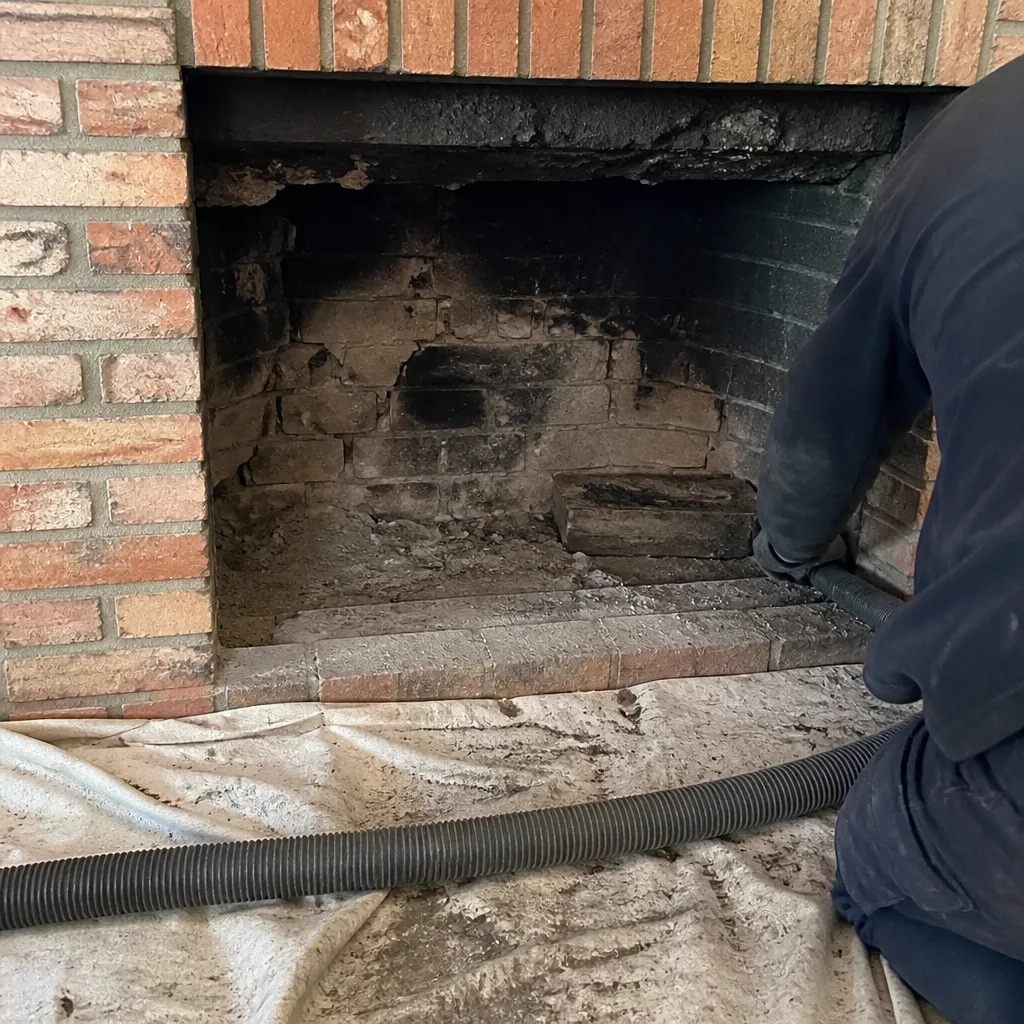 Before
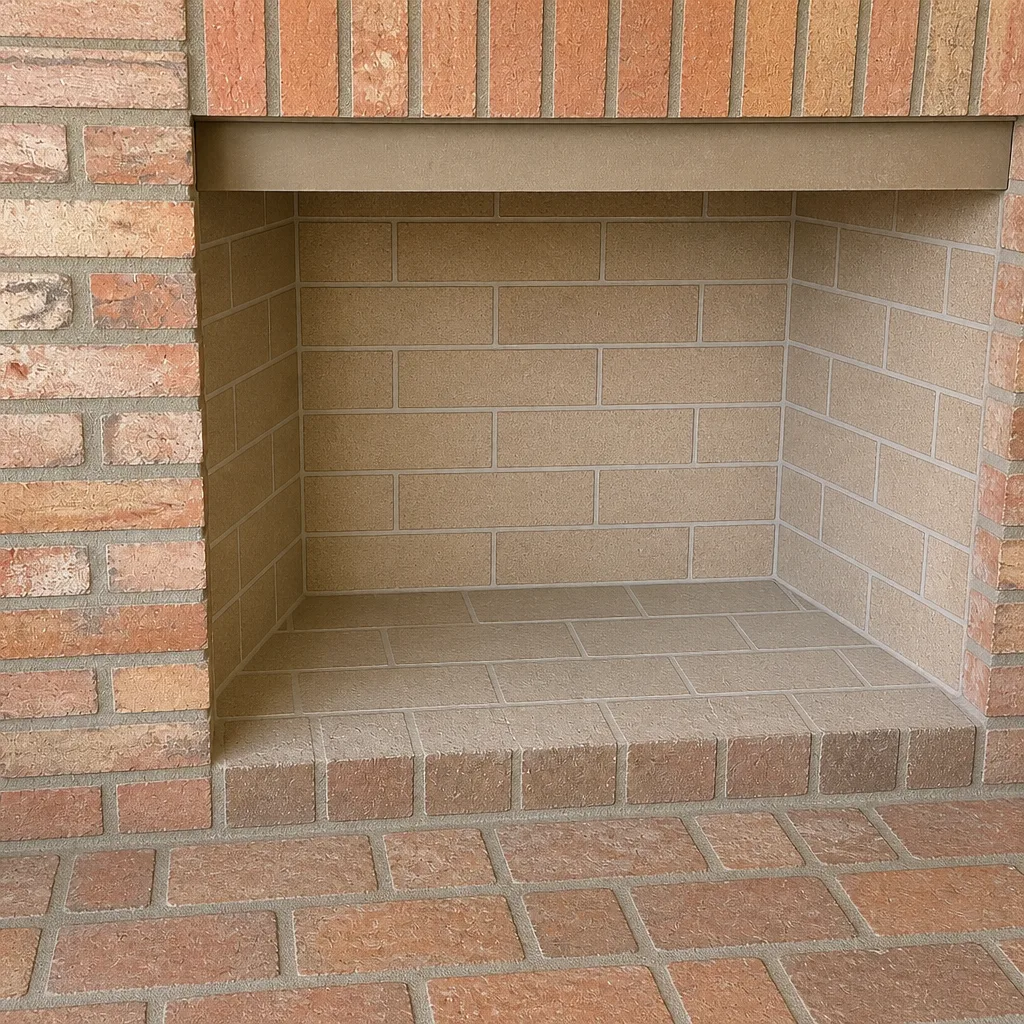 After
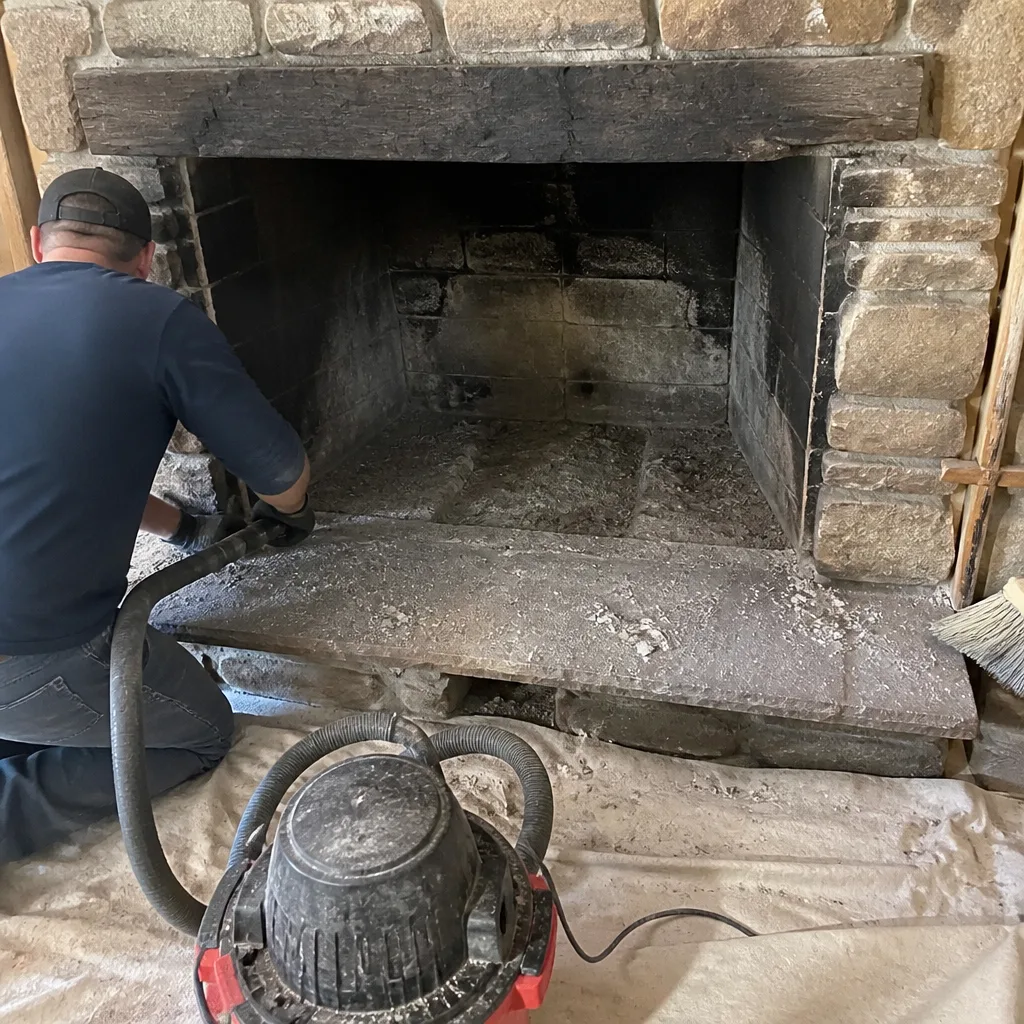 Before
 After
 Before
 After
When to Call a Professional
Some chimney issues you can live with for a while. Others need a professional before your next fire. Call a specialist if you smell smoke in the house when the fireplace is running, if you notice staining on the ceiling or walls near the chimney, if the firebox or damper is damaged, or if it’s simply been a year or more since the last inspection. If you’ve had a chimney fire – even a small one you put out yourself – get a Level 2 inspection before using the fireplace again, because the damage from a fire is often invisible from the outside. And if a contractor tells you that you need structural work, get evidence you can see before you commit. Chimney Sweep Saratoga Springs offers free estimates in Saratoga Springs – call (833) 468-6033. We answer 24/7, with fast dispatch from 7am to 7pm, Sunday through Friday.
Frequently Asked Questions
Chimney sweeping in Saratoga Springs is typically priced as a flat rate per job, and the exact figure is set by a written estimate after a quick look at your system. Because Utah doesn’t license chimney sweeps, pricing varies widely, and a very low price often means the inspection and cap check are being skipped. Call (833) 468-6033 for an exact quote – estimates are free.
Not always – a liner replacement should only be recommended when there’s evidence the existing liner is cracked, deteriorated, or improperly sized for your appliance. A proper camera inspection shows you the condition of the flue so you can decide based on what you can see, not just what you’re told. If the liner is sound, resurfacing with HeatShield or a similar method may be an option instead of full replacement. Call (833) 468-6033 for an exact quote – estimates are free.
For most homes that burn wood regularly, an annual inspection and sweep is the standard, with heavier use in a cold Saratoga Springs winter calling for the same yearly schedule. Gas fireplaces still need periodic checks even though they don’t produce creosote the way wood does. The right interval depends on your appliance and how much you burn, so ask during the inspection. Call (833) 468-6033 for an exact quote – estimates are free.
Skipping a sweep lets creosote accumulate, and hardened, glazed creosote is both harder to remove and a real fire concern when it builds up in the flue. It also means small issues – a cracked crown, a damaged cap – go unnoticed until they’ve had time to let water in and do structural damage. Neither of those is a scare tactic; they’re just what an annual look catches early. Call (833) 468-6033 for an exact quote – estimates are free.
No – Utah does not issue a state license specifically for chimney sweeps, so anyone can legally offer the service. That’s why CSIA certification is the credential to look for, and why you should verify it directly with the Chimney Safety Institute of America rather than trusting a logo or a claim. Ask for the certificate number and confirm it’s current. Call (833) 468-6033 for a free estimate.
Ask whether the contractor installs caps and crowns as a standard finishing step, and what materials they use – brands like Famco and Copperfield are recognized trade-grade options. These parts protect everything underneath from water intrusion, and in our freeze-thaw climate they matter more than people expect. If a bid doesn’t include cap and crown work, ask why. Call (833) 468-6033 for an exact quote – estimates are free.
The Bottom Line
Hiring a chimney contractor in Saratoga Springs comes down to verification. Because the state doesn’t license sweeps, you can’t rely on a public database to filter for you – so you check the CSIA certification yourself, you ask whether they inspect the whole system or just the flue, and you insist on written estimates and reports you can read. The lowest bid is the most dangerous in this trade, because what gets cut is the inspection and the materials that keep the system safe. Get evidence you can see, get it in writing, and hire someone who works from cap to firebox. That’s how you end up with one crew, one accountability, and a chimney you actually trust.
If you’d like that kind of help in Saratoga Springs, call (833) 468-6033 for a free estimate. We answer 24/7, with fast dispatch from 7am to 7pm, Sunday through Friday.
For more on routine service and the specific repairs that come up most often in Saratoga Springs, start with the chimney sweep Saratoga Springs page.
Written by the team at Chimney Sweep Saratoga Springs.