
Last updated November 24, 2026
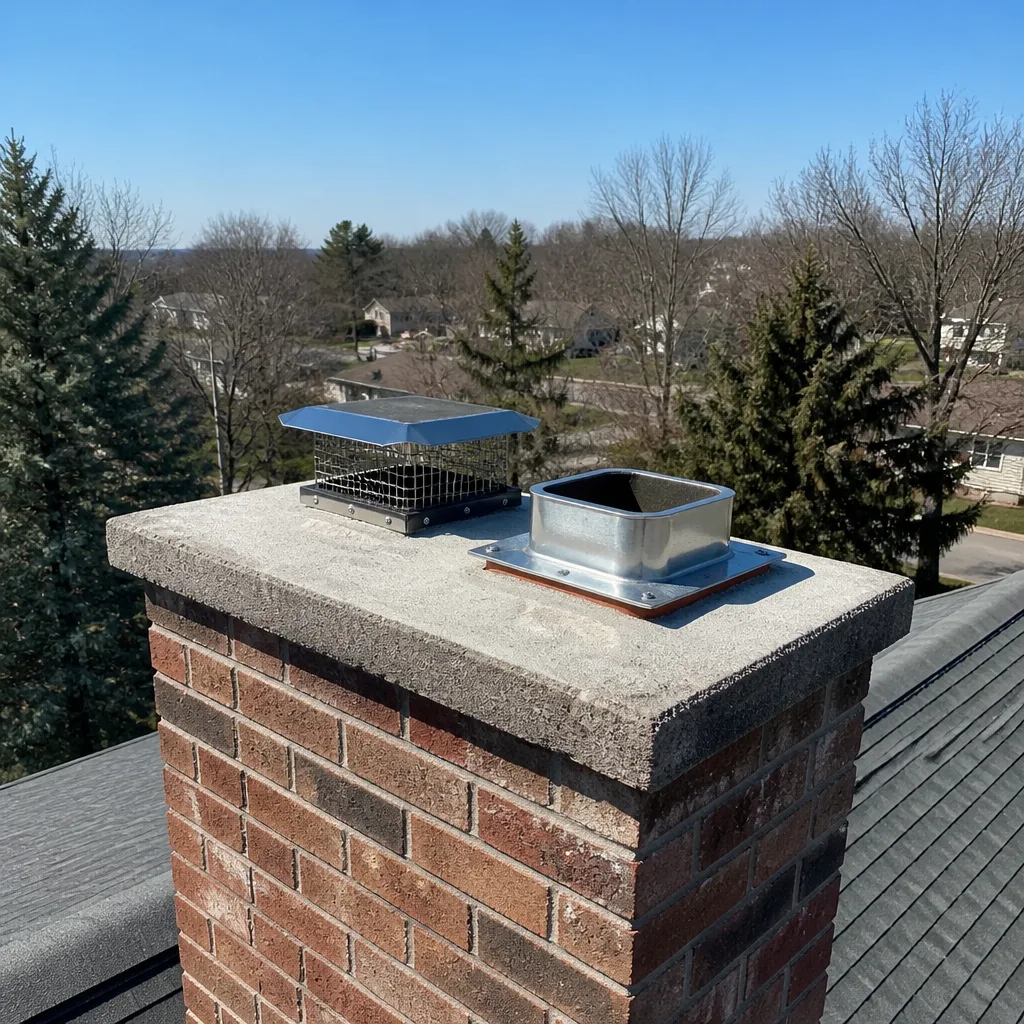 Sweep & inspection
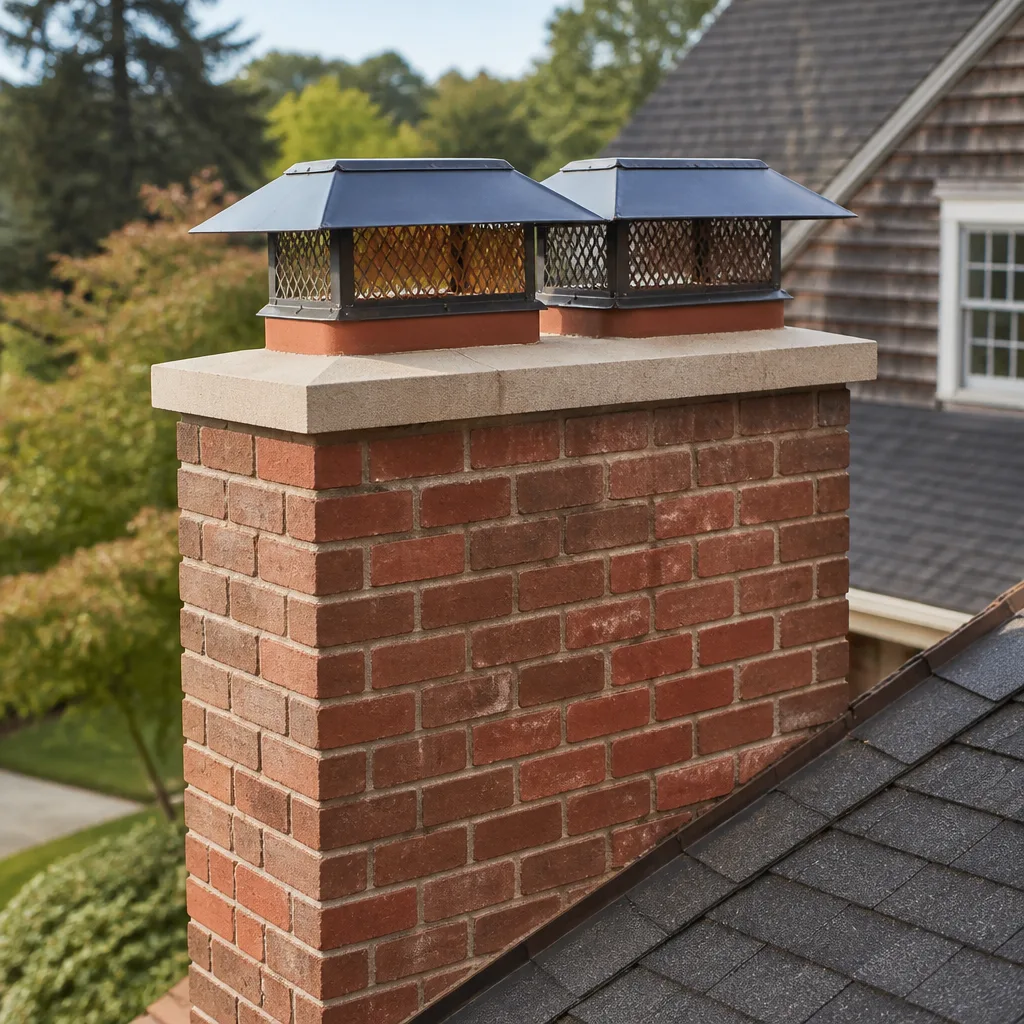 Caps & crowns
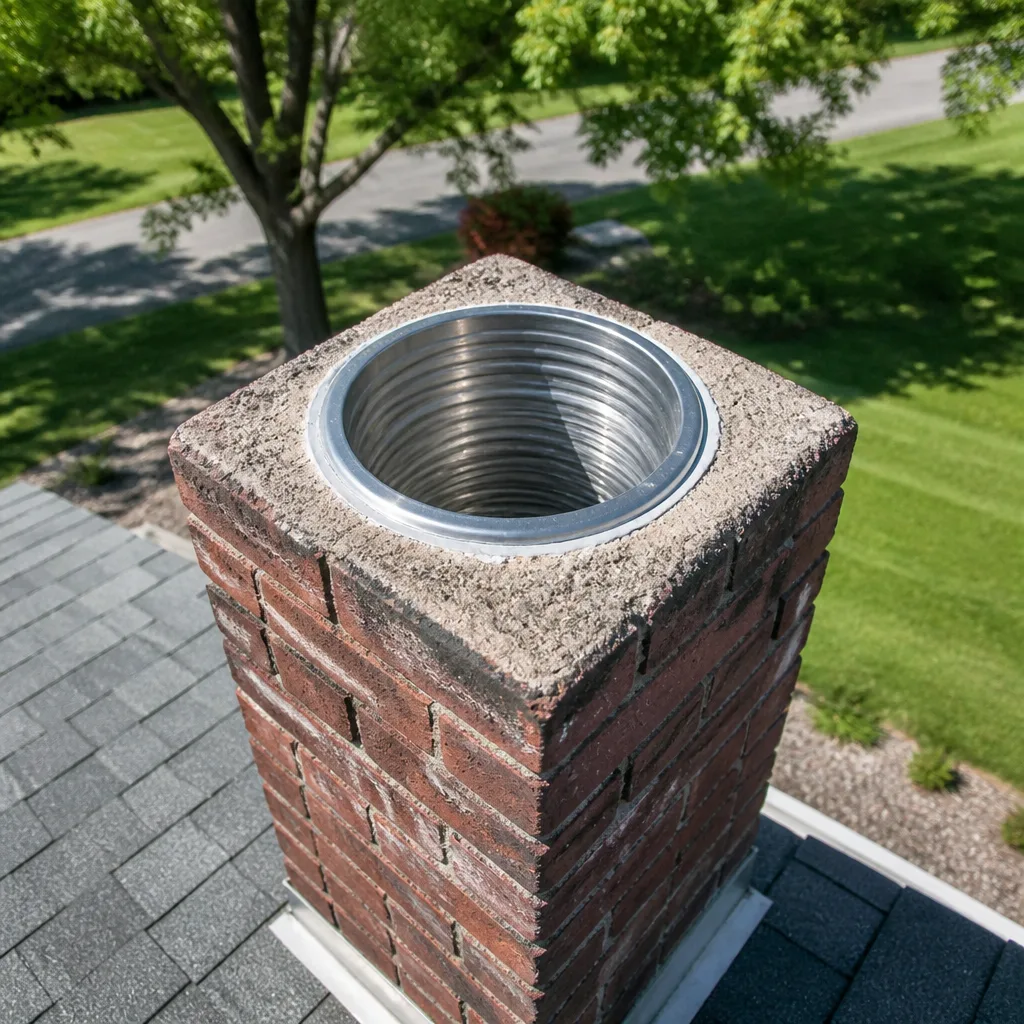 Flue relining
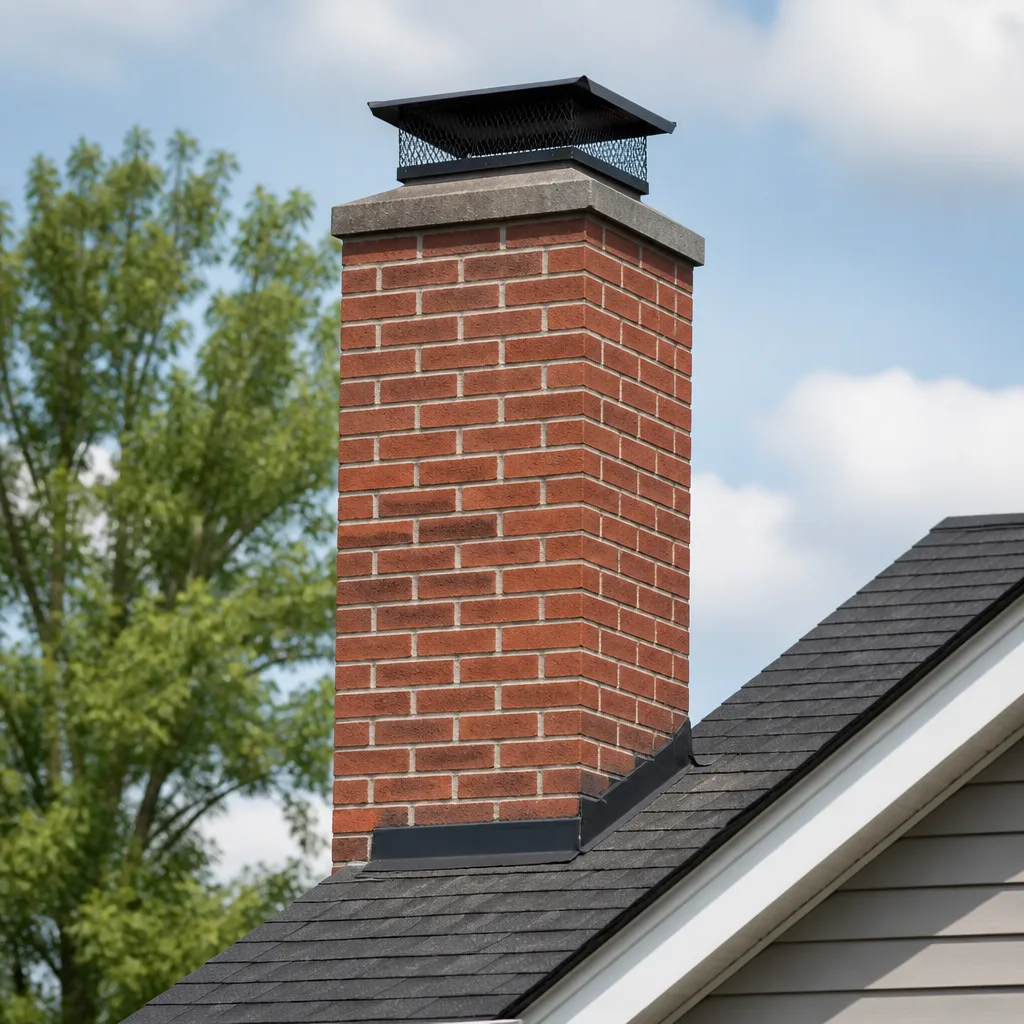 Masonry repair
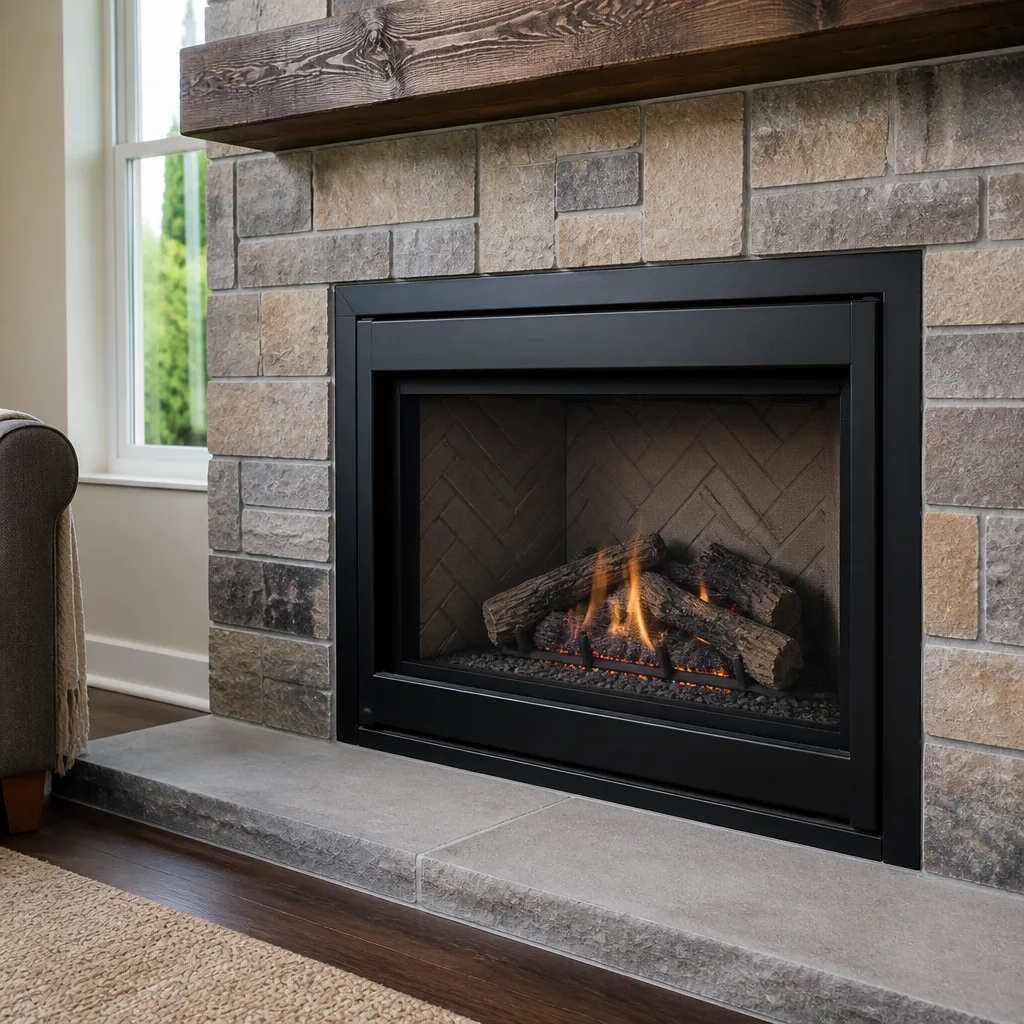 Gas fireplace service
Level 1 sweep and inspection to the NFPA 211 annual standard - flue, crown, cap, and flashing checked and photographed
Chimney sweep logs do not sweep chimneys. They loosen some creosote - which then falls where a brush and vacuum still have to collect it.
Seasonal Chimney Cleaning Care for Saratoga Springs: Year-Round Homeowner’s Guide
Late March in Saratoga Springs is harder on a chimney than January. That sounds backward, but it’s true: the heating season has just ended, freeze-thaw cycles are at their peak, spring moisture is working its way into every crack and joint, and most homeowners have already closed the book on their fireplace until fall. The month when a chimney is most vulnerable is the month almost nobody looks at it. This guide walks through the four-season rhythm of chimney care as it actually plays out along the eastern shore of Utah Lake, from the post-season inspection window in April to the draft tests that sort out fall backdrafts. By the end, you’ll know what to check each season, why timing matters more than frequency, and when a call to a professional is the only sensible move.
Quick Answer
Chimney care in Saratoga Springs follows a four-season cycle: inspect and sweep in April and May after the heating season ends, manage moisture and animal entry through summer, test draft and clear the flue in early fall before burning resumes, and monitor creosote buildup through winter. The single most important appointment is the post-season inspection in spring, not the fall sweep most homeowners schedule. Late spring booking also avoids the October backlog that hits every chimney professional in Utah County.
Styles & brands we work with
- Sweep & inspection
- Caps & crowns
- Flue relining
- Masonry repair
- Gas fireplace service
Table of Contents
- Why April Is the Most Important Month for Your Chimney
- The Four-Season Calendar: What to Check and When
- How Utah’s Inversion Season Affects Creosote Buildup
- Managing an Unused Chimney Through Summer
- Fall Draft Testing and Winter Backdraft Causes
- Spring Masonry Assessment: Reading the Damage
- Why Late-Spring Booking Beats the Fall Rush
- Can Seasonal Cleaning Cuts Save You Money?
Why April Is the Most Important Month for Your Chimney
The chimney industry has trained homeowners to think of October as the magic month. Sweep the flue before you light the first fire, and you’re set for the season. That’s not wrong, but it misses the window when most damage actually occurs. In Saratoga Springs, the real stress on a chimney happens in the weeks right after the last fire goes out.
Here’s the sequence. Through winter, the flue stays warm from regular fires and the masonry above the roofline stays relatively stable. Once you stop burning in early spring, the flue goes cold while the outside air swings between freezing nights and warm afternoons. That freeze-thaw cycle works on every joint, every mortar line, and every hairline crack the crown has developed over the season. Water gets in during the thaw, freezes overnight, expands, and widens the crack. A single spring can do more damage to a crown than a full winter of use.
Add spring rain and the higher humidity that comes with a wet Utah spring, and you have the worst possible combination: a chimney that just took a season of heat stress, now exposed to moisture that it wasn’t engineered to absorb quickly. That’s why the post-season inspection in April or early May matters more than the pre-season sweep in October. In April, we can still see and document the damage the heating season caused. By October, that damage has had four months to spread, and what could have been a crown reseal is now a masonry repair.
The Four-Season Calendar: What to Check and When
Chimney care in Saratoga Springs has a rhythm, and it’s tied to how the house actually gets used through the year. Here’s what each season calls for.
Spring (April – May)
- Full inspection and sweep after the heating season ends
- Crown assessment: look for cracks, pitting, and separation from the flue
- Flashing check around the chimney at the roofline
- Creosote documentation from the just-completed burning season
- Photo report of any discovered deficiencies, so you have a record before summer
Summer (June – August)
- Cap check: make sure the cap and spark screen are intact before nesting season
- Damper seal: verify the closed damper is keeping humid air out of the firebox
- Exterior flashing follow-up after the first heavy rain
- Animal entry screening at the top and bottom of the flue
- Firebox and hearth inspection if the fireplace gets used during cool summer evenings
Fall (September – October)
- Draft test before the first fire of the season
- Clear leaf and debris accumulation from the flue and cap
- Verify the damper opens and closes cleanly
- Re-check the cap after wind and storm activity
- Sweep if the spring inspection flagged buildup that wasn’t removed yet
Winter (November – March)
- Monitor draft performance on windy days
- Watch for smoky smell in the room when the fire is burning
- Keep an eye on the firebox brick and mortar between cleanings
- Note any change in burn efficiency or smoke character
Notice what’s missing from that winter list: the chimney itself. Winter is not a repair window. The ground is often frozen, the roof is unsafe to work on, and any masonry repair attempted in subfreezing conditions won’t cure properly. Winter is when you observe. The other three seasons are when you act. Our technicians have up to 15 years of experience working this exact calendar in the Saratoga Springs climate, and the pattern holds year after year.
How Utah’s Inversion Season Affects Creosote Buildup
Utah’s winter inversions change the way a chimney behaves in Saratoga Springs, and not in a direction most homeowners expect. When a temperature inversion settles over the valley, cold air traps warmer air underneath it, and smoke from a wood-burning fireplace has nowhere to go but down or sideways if the draft is weak. That backdraft condition doesn’t just smoke up the room. It slows the exhaust of combustion gases, which means creosote particles spend more time in the flue before they cool and settle. Slow-moving smoke deposits more creosote on the flue wall than fast-moving smoke does.
The other half of the equation is burn behavior. During inversion days, many Saratoga Springs households burn hard and long to keep the house warm through the still, cold air. Dampers get throttled down to make fires last, which reduces airflow further and produces the cooler, slower combustion that generates the most creosote. Three specific factors drive creosote deposition rate:
- Burn frequency and duration. Fires running through inversion weeks accumulate faster than fires used a few nights a week.
- Wood moisture content. Seasoned wood burns cleaner; wet or green wood produces more smoke and more creosote.
- Draft efficiency. Slow exhaust deposits more; strong exhaust carries particles out before they settle.
What this means practically: a Saratoga Springs homeowner who burns through several inversion weeks with a throttled damper should expect a heavier creosote load than the national “once per cord” rule of thumb suggests. That’s one of the reasons the April inspection is so important here – it’s the only time we can measure the actual deposited layer from the just-finished burning season and tell you quantitatively whether you’re on a seasonal sweep schedule or something tighter. When you book a Chimney Sweep Saratoga Springs, the sweep itself is the easy part; the documentation of what was removed is what tells you how often you actually need to have it done.
Managing an Unused Chimney Through Summer
Summer is the season when a chimney quietly falls apart, and it has nothing to do with fire. A damp, dark flue with no draft is the ideal nesting site for birds, squirrels, and the occasional raccoon, and the same conditions allow moisture to slowly degrade mortar from the inside out. A chimney that sat quietly from June to September can need real repair by the time fall arrives.
Here’s a simple summer checklist a homeowner can walk through in fifteen minutes:
- Look at the cap from the ground. A missing or damaged cap is the single biggest entry point for animals and water. If the screen is torn or the cap is gone, that’s a call.
- Close the damper fully. An open damper pulls humid summer air into the firebox and up the flue, feeding moisture into every joint. Verify it seats flush.
- Check for animal noise. Scratching or chirping from inside the chimney during summer is usually a nesting family. Don’t light a fire to flush them out.
- Inspect the firebox brick for efflorescence. White powdery staining on the brick means moisture is moving through the masonry. That’s a chimney repair signal, not a cleaning one.
- Note any musty smell inside the house. A persistent chimney smell in summer usually traces to moisture or to creosote deposits that didn’t get swept the spring before.
Caps and crowns are the parts of the system that most directly protect everything else. A cap keeps water and animals out; a crown shed water off the top of the masonry so it doesn’t soak down through the bricks. When we install one, we size the cap to the exact flue and set the crown to shed properly away from the chase. We work with chimney repair materials from recognized brands, including Copperfield caps and Olympia Chimney components, precisely because the wrong cap on the right chimney is as much a problem as no cap at all. A properly fitted cap and crown is often the difference between a chimney that needs a sweep every spring and one that needs structural repair.
Fall Draft Testing and Winter Backdraft Causes
Draft is the invisible part of chimney performance. If the flue isn’t pulling air up and out at the right rate, smoke doesn’t just smell up the room – it carries combustion byproducts, including carbon monoxide, back into the living space instead of venting them outside. That’s a genuine safety issue, and it’s why fall draft testing matters so much.
The fall test is simple. Before the first fire of the season, hold a lit incense stick or a small piece of smoking paper near the open damper. The smoke should be drawn steadily up the flue. If it hovers, drifts back into the room, or blows sideways, the chimney isn’t drafting properly, and lighting a fire will likely push smoke into the house. Common causes fall into a few buckets:
- Blocked flue. Debris, leaves, or an animal nest narrowing the passage.
- Cold flue. A chimney that’s been dormant all summer needs a warm-up before it pulls correctly. A rolled newspaper torch held near the damper (never lit fire) is the standard trick to prime the draft.
- Fireplace competing with other exhaust. Bathroom fans, kitchen hoods, and clothes dryers pull air out of the house. In a tightly-sealed home, a chimney can’t get enough makeup air to draft.
- Chimney height issue. A flue that terminates too close to the roofline, a nearby tree, or an adjacent taller structure can struggle to draw against wind.
- Exterior chimney in cold air. A chimney on the outside face of the home has a colder flue than an interior one, and cold flues are slower to establish draft.
In Saratoga Springs, the wind comes off the lake and across the bench in ways that can occasionally override a marginal draft. If you have chronic backdraft, that’s not a cleaning problem – it’s a chimney repair and possibly a liner sizing problem. A sweep can confirm the flue is clean; only an inspection and possible relining resolves the underlying cause. The chimney sweep is the front-door service, but the diagnosis behind backdraft is what actually keeps your living room clear.
Spring Masonry Assessment: Reading the Damage
Spring, more than any other season, is when the chimney tells you the truth about its condition. The freeze-thaw cycle just ended, the masonry has shed any loose material, and the moisture patterns of spring make every deficiency visible in a way it isn’t in dry October air. When we do spring inspections, we’re looking for specific patterns:
- Crown cracks and separation. The crown is the sloped concrete layer at the top of the chimney. A hairline crack widens every freeze-thaw cycle. A crown that has separated from the flue is letting water straight down the chimney wall.
- Spalling brick. The face of a brick peeling away is a freeze-thaw casualty. Spalled brick looks like a cracked tile face; the pieces come off in flakes or chunks.
- Efflorescence on the firebox or exterior. White stains mean moisture is wicking through the masonry. The source can be the crown, the flashing, or a compromised liner.
- Rusted or degraded damper and firebox components. Moisture in a dormant firebox attacks metal parts first.
- Flashing separation at the roofline. The metal that seals the chimney to the shingles is a common weak point after a hard freeze-thaw winter.
This is where a full-system inspection really earns its keep. The firebox, liner, crown, cap, flashing, and exterior masonry are all evaluated in a single visit, so nothing gets diagnosed in isolation. If the inspection turns up a deteriorated flue liner, we have options that don’t require tearing out the old chase. HeatShield resurfacing is applied in place to rehabilitate a liner that is worn but structurally sound, and we have applicator-level familiarity with the product. For older homes with offset or irregular flues, a DuraFlex flexible liner is often the right answer. We install DuraFlex liner systems precisely because the flexibility handles a flue that a rigid liner can’t navigate. Whether the fix is a resurface or a reline, the conversation starts with the same spring inspection and the same photo record so you can see what we see. If you’re also chasing fireplace damage – cracked firebox brick, a damper that no longer seats – that falls under fireplace repair and gets handled on the same visit.
Why Late-Spring Booking Beats the Fall Rush
Every chimney professional in Utah County gets the same phone volume in October that they get the rest of the year combined. Homeowners remember the fireplace in October, the phone lines flood, and the schedule books out. Late spring is the opposite. Homeowners haven’t thought about the fireplace in a month, the phone is quiet, and the calendar has room. There are real practical advantages to booking in April or May:
- You get the window you want. In October, you take what’s available. In May, you pick the day.
- Repair work can happen before fall. If the spring inspection finds a crown crack or flashing separation, we can schedule the repair in May or June while the weather is workable, so the chimney is fully settled and ready by the first cold night.
- You’re not making decisions under pressure. A fall inspection that turns up a needed reline is a stress event because the first fire is weeks away. The same finding in late spring is a repair you can plan.
- The spring sweep captures the season’s actual load. What came off the flue in April is the real measure of your burning habits. October’s sweep tells you what you needed six months ago.
- Summer is the repair season, not the downtime. With the sweep and inspection done in spring, any masonry, cap, or crown work can be scheduled for warm-weather completion without disturbing your fall evenings.
Booking a late-spring appointment isn’t about getting a discount or a special offer. It’s about letting the maintenance calendar run in the direction the weather runs. For a Saratoga Springs home with an active fireplace, that’s the sequencing that actually protects the system instead of just reacting to it.
Can Seasonal Cleaning Cuts Save You Money?
We get asked whether skipping a sweep in a light-use year saves anything. The honest answer is no, and the reason is the inspection, not the sweep itself. The sweep is what removes creosote; the inspection is what tells you the crown, cap, flashing, and liner are still doing their jobs. Cutting the annual service typically doesn’t save the sweep cost – it defers the diagnostic that catches the $400 repair before it becomes a four-figure masonry problem.
The more useful question is timing. Sweeping in April and then again in October is usually unnecessary for a household burning a cord or two a season. Sweeping once in late spring is the norm for most Saratoga Springs homes with a wood-burning fireplace; heavier-use households may need an additional mid-season sweep depending on what the flue deposits show. That’s a decision the spring inspection supports with real data, not a guess. If the creosote layer measured in April is thin, you don’t need an October follow-up. If it’s heavy, that tells you something about your wood or your burn habits worth changing. Call (833) 468-6033 for an exact estimate on a spring sweep and inspection – estimates are free. We answer 24/7, and fast dispatch runs from 7am to 7pm, Sunday through Friday.
Common Mistakes to Avoid
- Treating October as the only relevant month. A fall sweep cleans the flue but doesn’t catch the damage that happened in the spring freeze-thaw cycle. The chimney you see in October is four months past the window when repair was easiest.
- Leaving the damper open through summer. An open damper pulls humid Utah summer air straight up the flue, feeding moisture into mortar joints and firebox brick. Closed is the correct summer position.
- Burning unseasoned wood through inversion weeks. Wet wood burns cooler and slower, which is exactly the deposition condition that builds creosote fastest in Saratoga Springs. Seasoned wood makes the whole flue behave better.
- Assuming “no visible smoke in the room” means the chimney is drafting fine. A marginal draft can let carbon monoxide slip into the living space with almost no visual warning. Fall draft testing is how you actually confirm the flue is venting.
- Running a fire to flush a summer animal nest. Lighting a blocked flue pushes smoke and combustion gases into the house, and the nest itself is a fire hazard. The chimney needs to be cleared, not burned through.
- Letting a winter-discovered problem sit until spring. If you notice a smoky smell, a draft problem, or a visible firebox crack in January, book a call now. The repair may schedule for spring, but the documentation is what determines how big it becomes.
- Trusting a national maintenance schedule over your own burn data. Inversion seasons in Utah County push creosote loads higher than the “once a year, once a cord” rule of thumb suggests. The spring inspection measures what actually happened in your chimney.
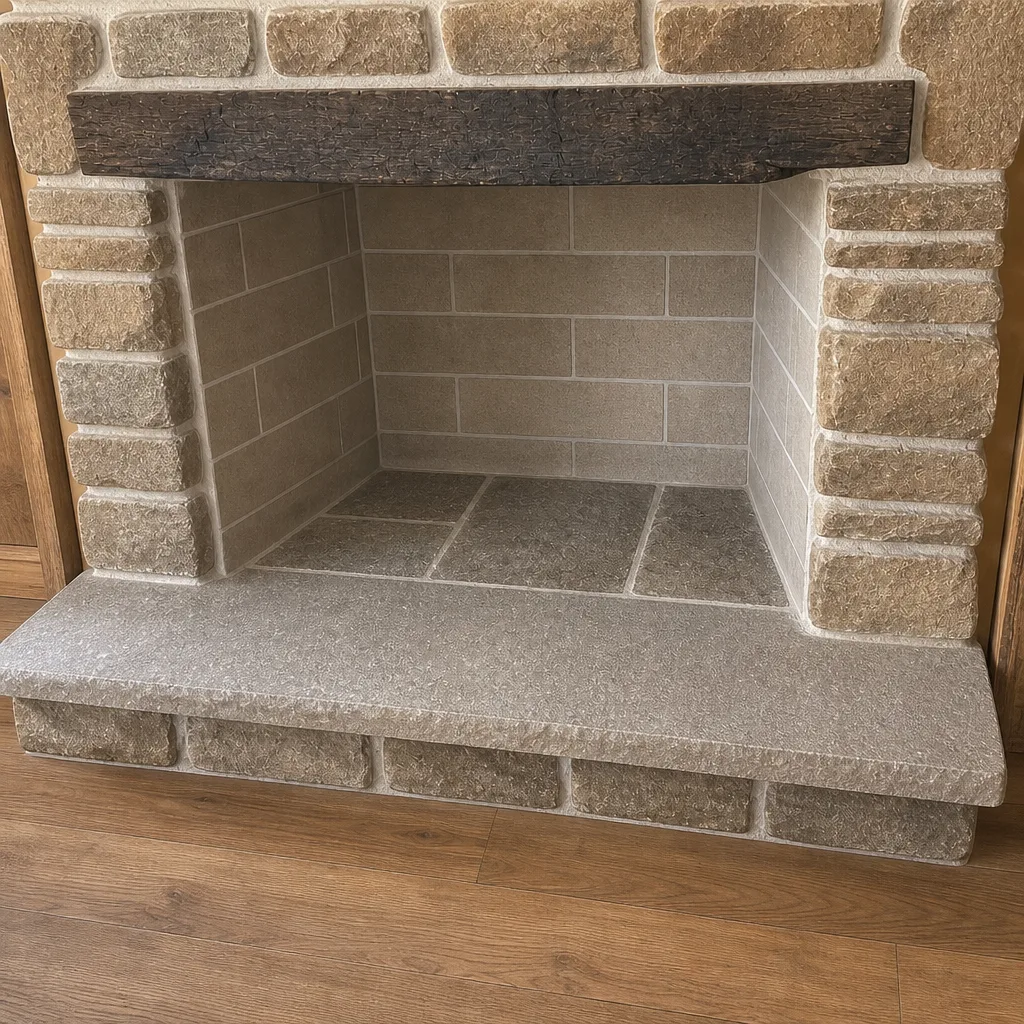
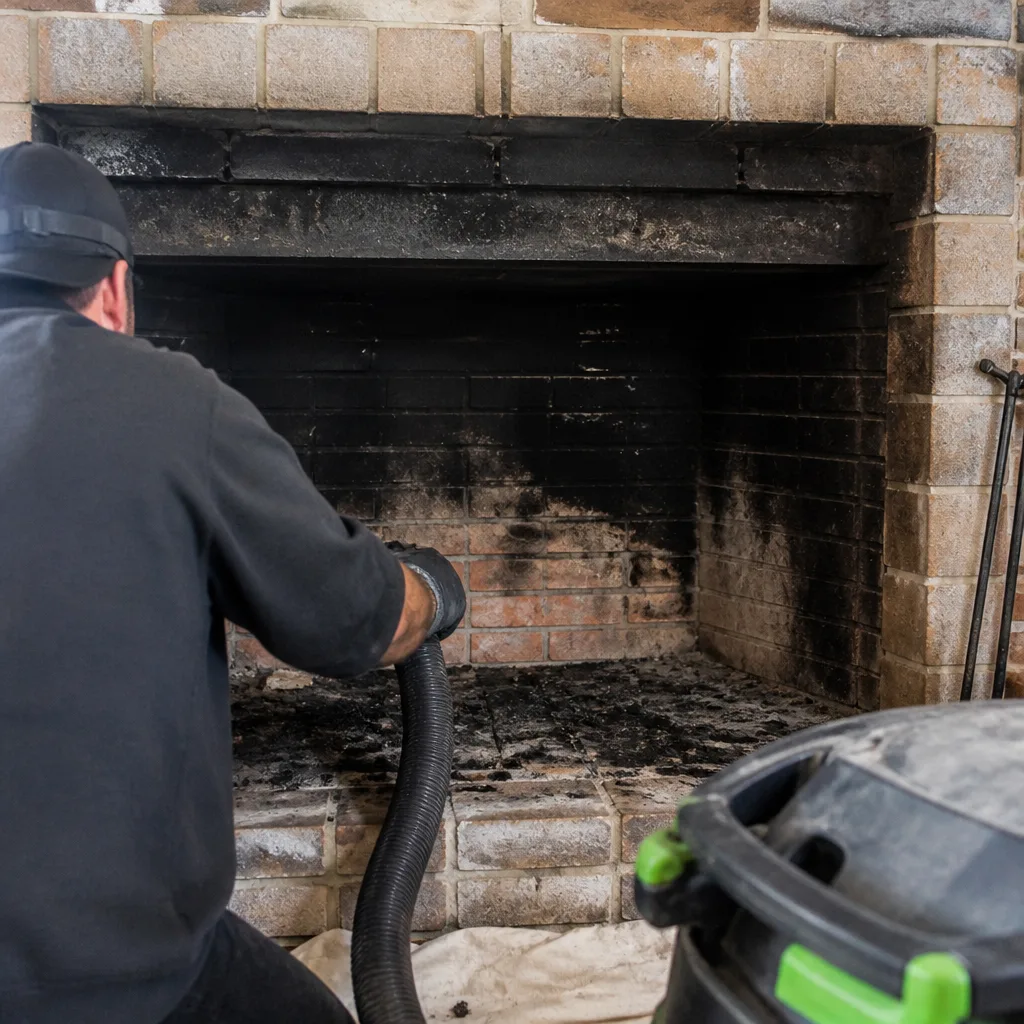
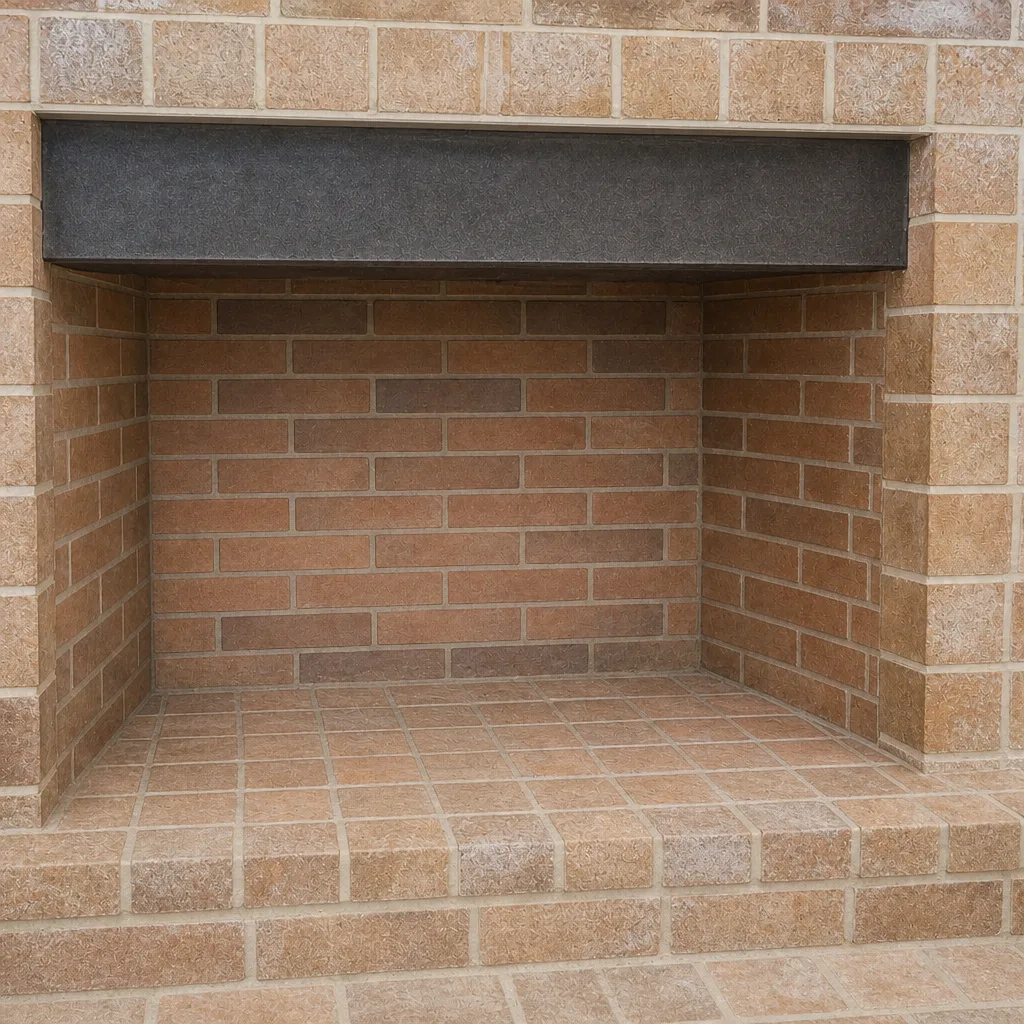
See the difference
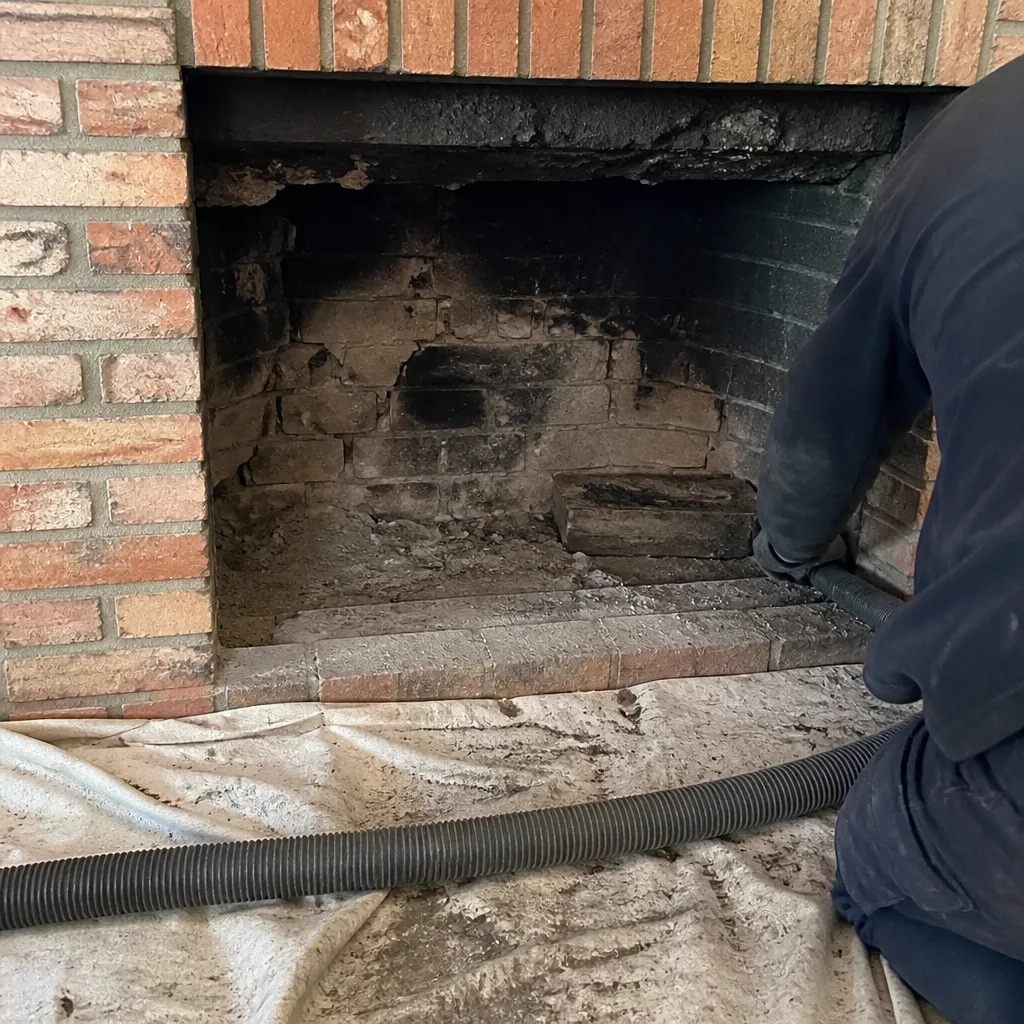 Before
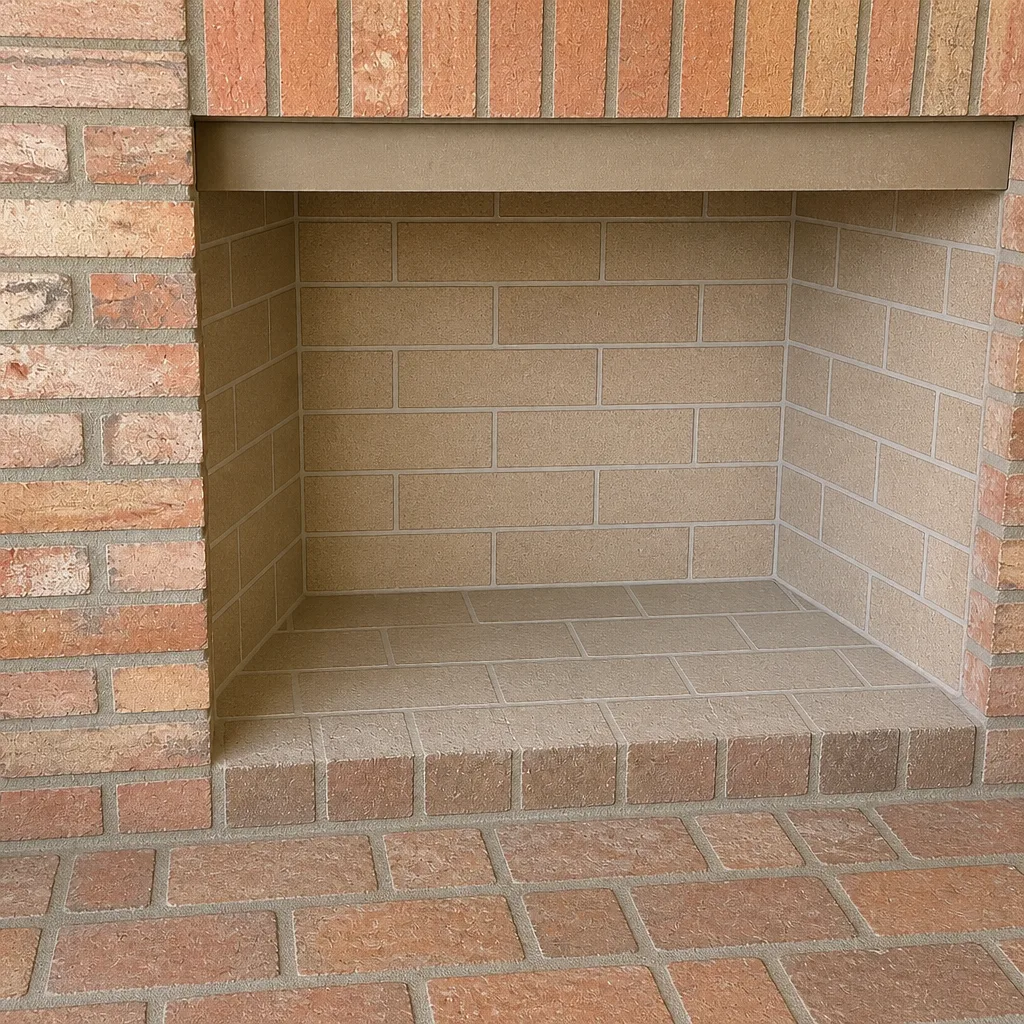 After
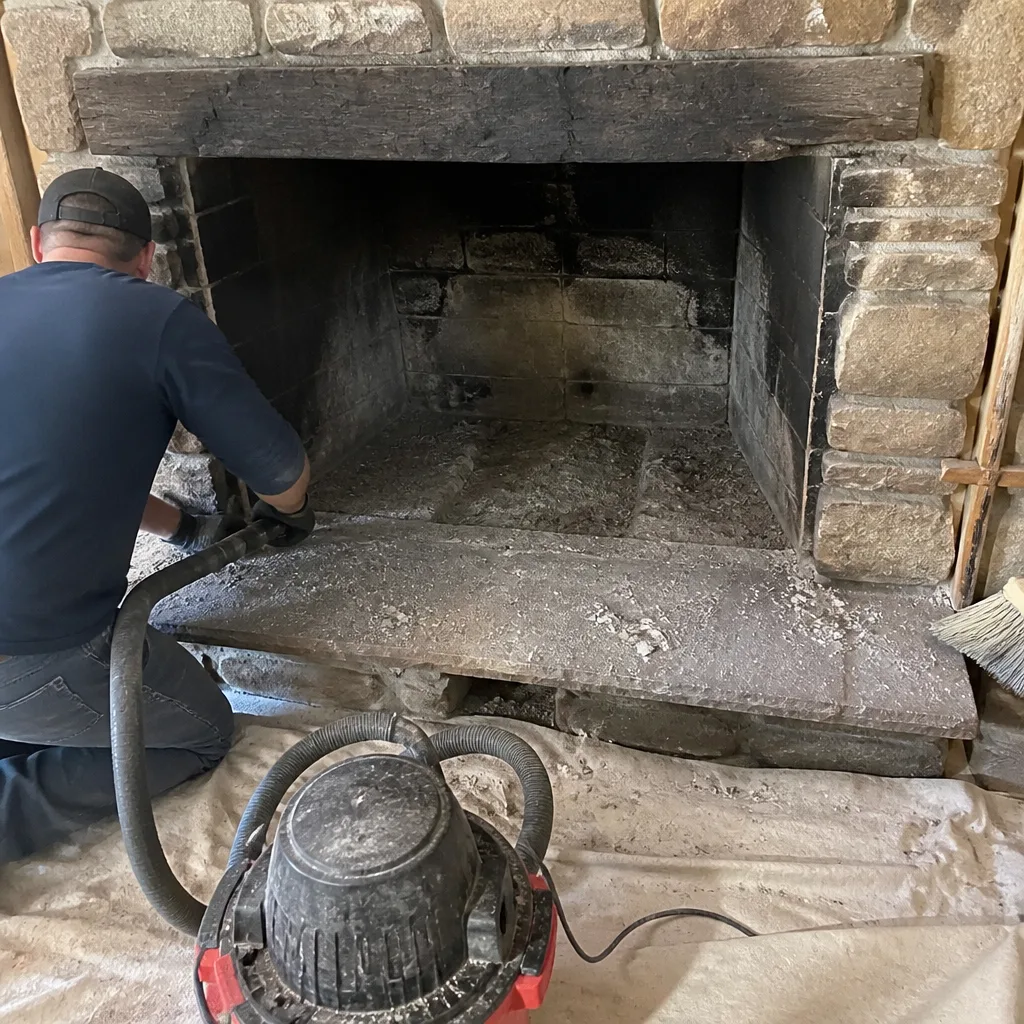 Before
 After
 Before
 After
When to Call a Professional
Some chimney tasks are a homeowner’s to handle – closing the damper in summer, keeping an eye on the cap from the ground, watching for a smoky smell during winter fires. The rest belong to a trained professional. Call us if you noticed smoke backing into the room during the last fire of the season, if the spring inspection window has passed without a sweep, if you hear animal noise inside the chimney, if you see white efflorescence staining on the firebox brick, or if the fall draft test showed smoke that doesn’t go up. Those are the signals that the chimney needs more than cleaning. Chimney Sweep Saratoga Springs offers free estimates in Saratoga Springs – call (833) 468-6033. We answer 24/7, and fast dispatch runs 7am to 7pm, Sunday through Friday, with Saturday closed. If a call lands outside those hours, it’s booked into the next opening.
Frequently Asked Questions
Most wood-burning chimneys in Saratoga Springs need sweeping once a year after the heating season ends. Heavier users burning through extended inversion weeks may need a mid-season sweep, which the spring inspection is the right time to decide. Call (833) 468-6033 for an exact quote – estimates are free.
Late April or May is the best window. That’s after the heating season has ended but before the spring freeze-thaw cycle has moved on, and it’s the opposite of the October rush that hits every chimney professional in Utah County. Call (833) 468-6033 for an exact quote – estimates are free.
Only if the inspection shows the existing liner isn’t doing its job. A deteriorated flue liner can sometimes be rehabilitated with HeatShield resurfacing instead of replaced, and an offset or irregular older flue is often best addressed with a DuraFlex flexible liner. Nothing gets recommended without a photo record you can see for yourself. Call (833) 468-6033 for an exact quote – estimates are free.
A small crown crack or flashing separation that would be a straightforward repair in May can widen through a full Utah summer of sun, rain, and freeze-thaw, and by fall it’s often a masonry job. Skipping the inspection doesn’t save the work; it changes the size of the work. Call (833) 468-6033 for an exact quote – estimates are free.
No. A dormant chimney needs its cap intact to keep out rain and animals, and its damper closed to prevent humid air from moving up the flue. A fifteen-minute check at the start and end of summer is enough to catch the two failure modes that matter. Call (833) 468-6033 for an exact quote – estimates are free.
Wind-driven backdraft usually traces to one of three causes: a partially blocked flue, an undersized or damaged liner, or a chimney that’s too short relative to nearby rooflines and trees. A draft test in fall confirms which one you’re dealing with, and a full-system inspection identifies the right repair. Call (833) 468-6033 for an exact quote – estimates are free.
What Seasonal Care Actually Costs
We don’t quote prices over the phone because every chimney’s condition is different, and the written estimate after inspection is what sets the real cost. What we can tell you is how to think about the seasonal budget: the annual sweep and inspection is the routine expense, and repairs are the variable. The principle to hold onto is that repair work scheduled from a spring inspection is nearly always less than the same repair discovered after a full summer of water intrusion.
- Annual sweep and inspection: priced per job by written estimate, based on flue configuration and access
- Cap and crown work: quoted separately if the inspection finds the cap missing or the crown cracked, often the highest-value repair to schedule in spring
- Flue relining or resurfacing: a structural repair priced after inspection confirms the liner’s actual condition, typically scheduled for warm-weather completion
- Masonry and flashing repair: quoted from the spring photo record so you see exactly what’s being corrected
Nothing is recommended without camera evidence you can see for yourself, and we’ll tell you plainly when a repair can safely wait until the next season. Call (833) 468-6033 – estimates are free, and the conversation is about your chimney, not a sales package.
The Bottom Line
Chimney care in Saratoga Springs runs on a four-season calendar, and the most important season isn’t the one most homeowners plan around. Spring is when the freeze-thaw damage happens and when the inspection catches it. Summer is when moisture and animals do their quiet work, and a cap and closed damper prevent most of it. Fall is about confirming draft before the first fire, and winter is about observing, not repairing. Schedule the sweep and inspection for late spring, keep the cap intact through summer, test draft in fall, and let the county’s inversion season inform how often the flue gets swept. That rhythm protects the chimney without a rush, without an emergency, and without the October scramble. One inspection, one crew, one point of accountability – that’s how we run a chimney.
Written by the team at Chimney Sweep Saratoga Springs.