
Last updated November 24, 2026
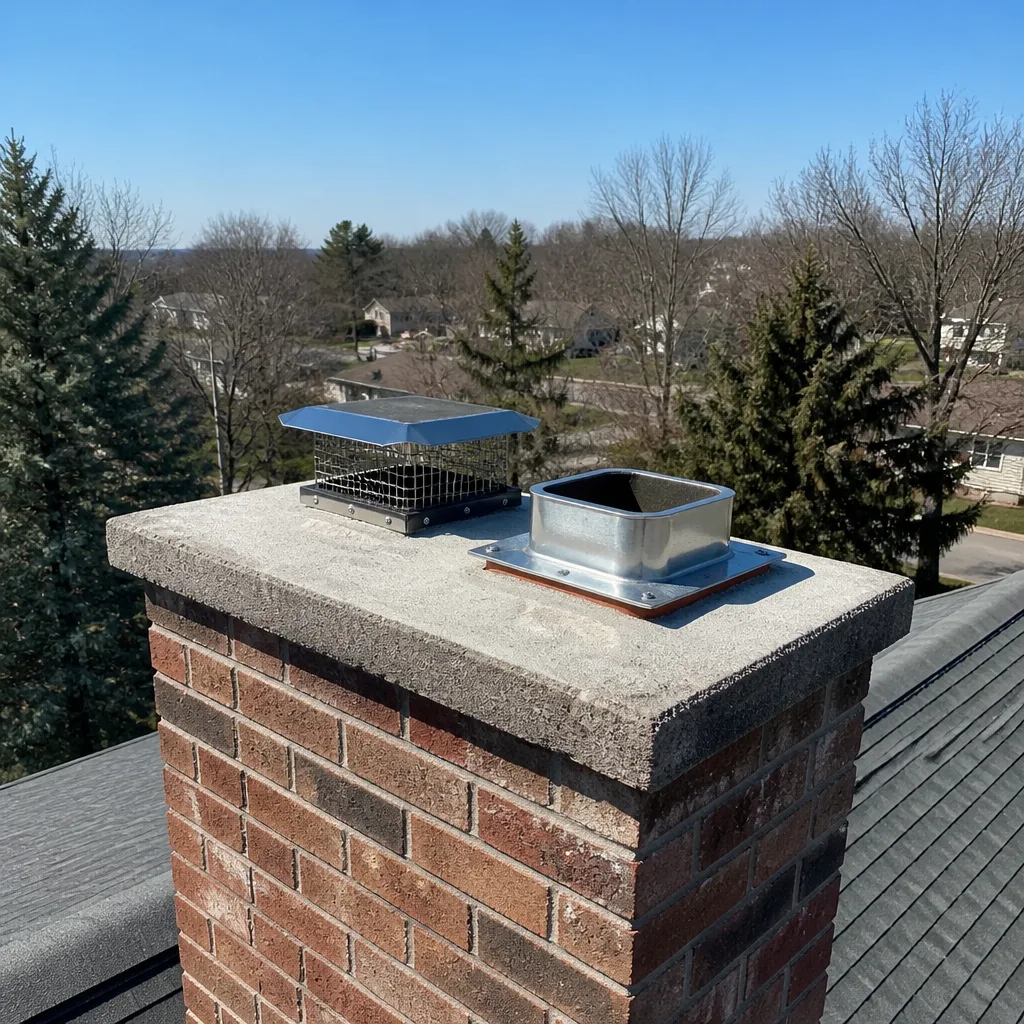 Sweep & inspection
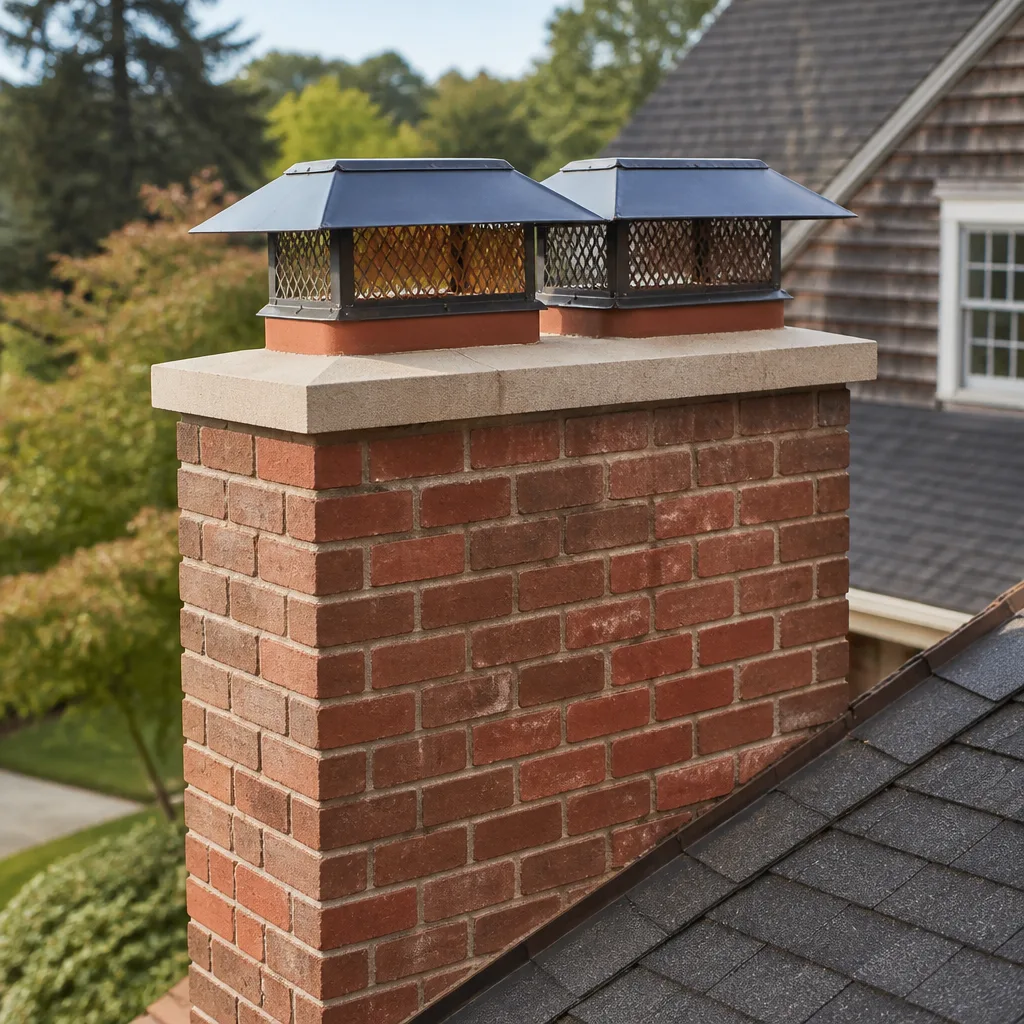 Caps & crowns
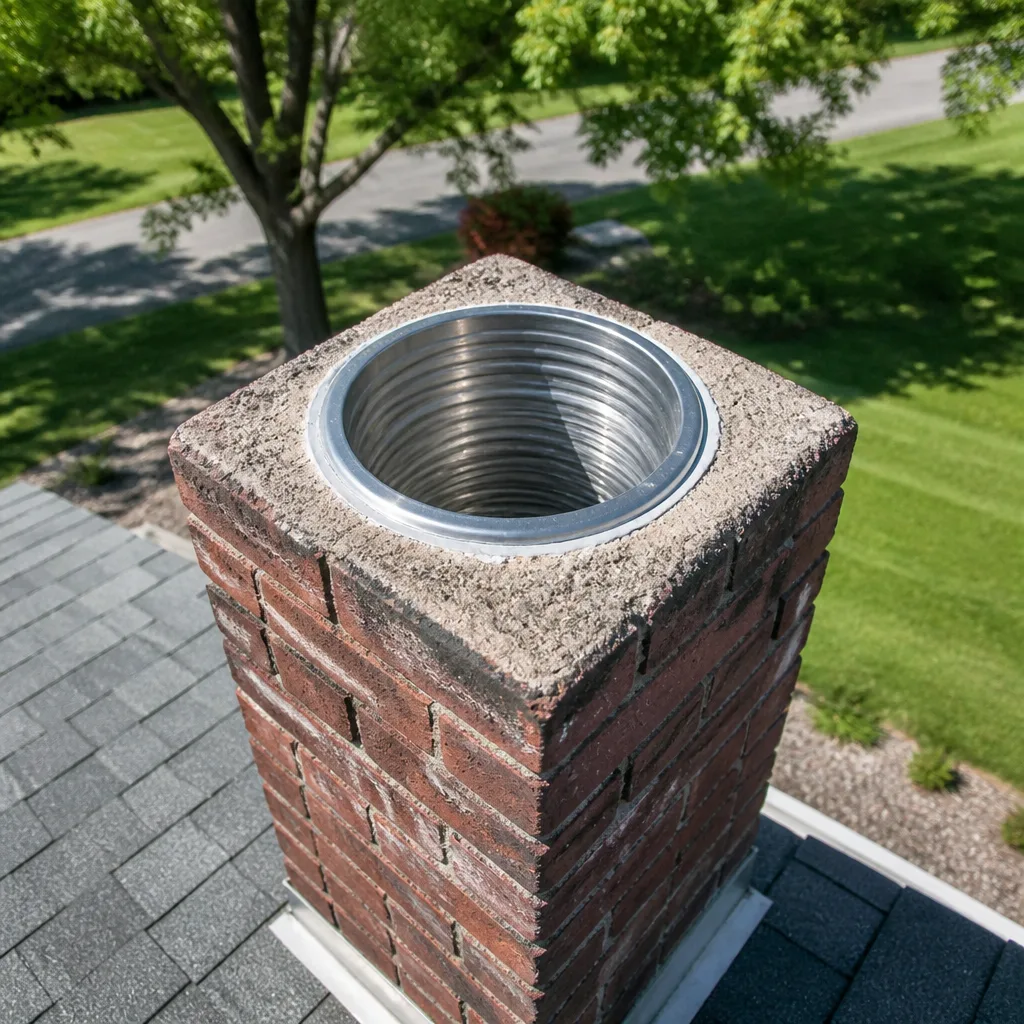 Flue relining
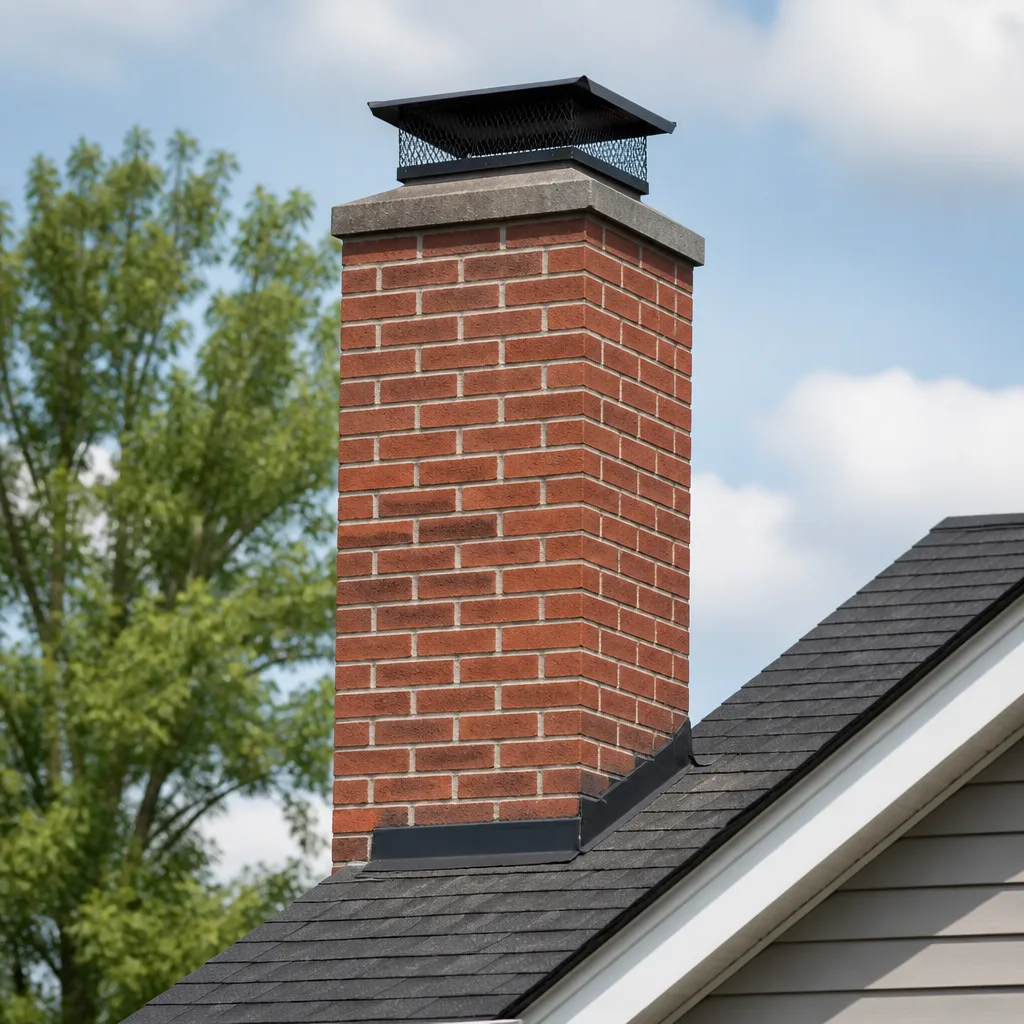 Masonry repair
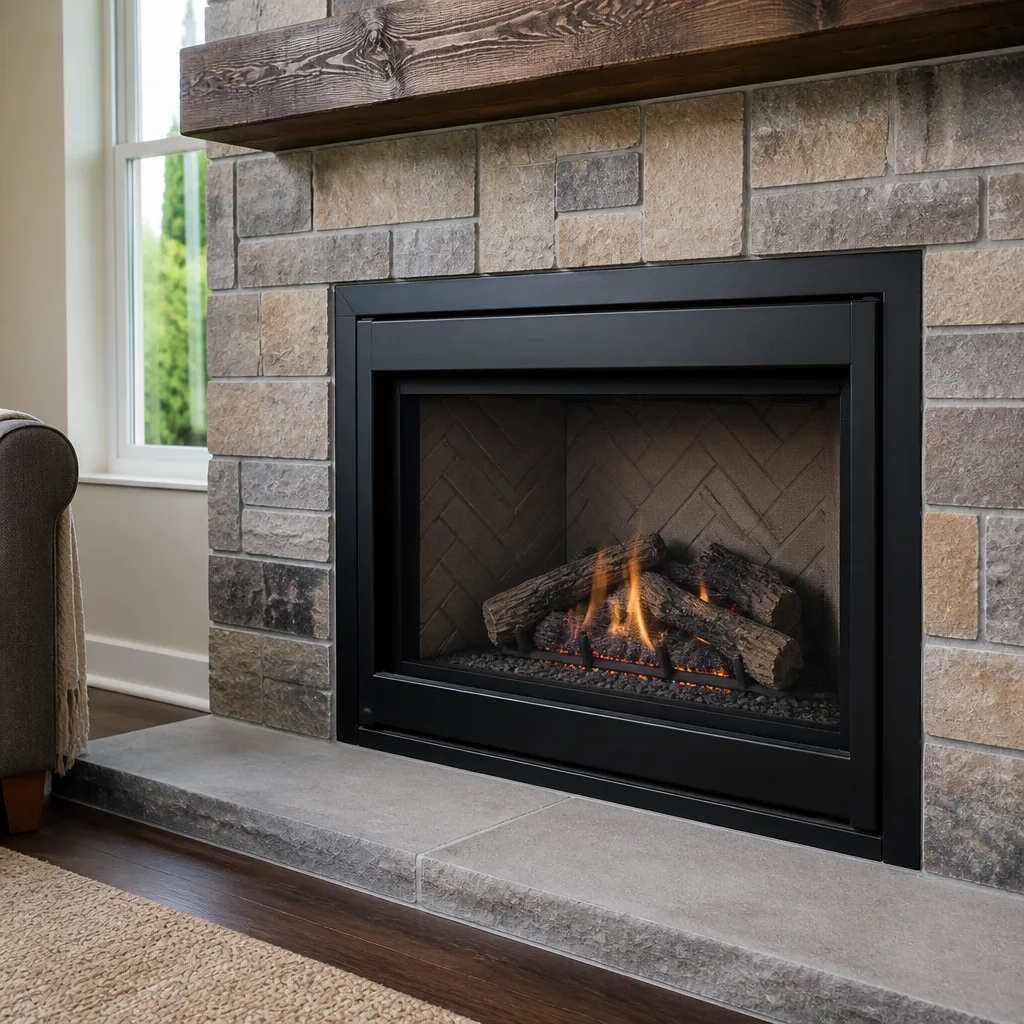 Gas fireplace service
Level 1 sweep and inspection to the NFPA 211 annual standard - flue, crown, cap, and flashing checked and photographed
Chimney sweep logs do not sweep chimneys. They loosen some creosote - which then falls where a brush and vacuum still have to collect it.
DIY vs Professional Chimney Cleaning: The Saratoga Springs Homeowner’s Decision Guide
DIY chimney cleaning kits sit on the shelf at every big-box store, and they work. For stage-1 creosote on a straight flue with a cap that’s fully intact, a homeowner with the right rods and a little patience can absolutely run a brush through the chimney. That describes fewer Saratoga Springs chimneys than most homeowners assume. The homes here span a wide range of build years, several flue types, and a mix of wood-burning and gas appliances, and most of the chimneys hiding behind those fireplace surrounds have a configuration where a DIY clean feels productive while missing the things that actually matter. This guide gives you an honest framework for deciding. We’re not here to talk you out of DIY. We’re here to help you know when it’s genuinely safe and when it isn’t.
Quick Answer
DIY chimney cleaning is reasonable only when you have a straight, undamaged flue, a fully intact cap, stage-1 creosote, a wood-burning appliance you’ve swept regularly, and a professional inspection on record from within the past year. In every other case, professional cleaning is the safer call because a sweep is also an inspection, and a DIY brush cannot evaluate liner cracks, mortar joint deterioration, offset flue sections, or smoke chamber conditions. If you’re not sure which category your Saratoga Springs home falls into, assume professional.
Styles & brands we work with
- Sweep & inspection
- Caps & crowns
- Flue relining
- Masonry repair
- Gas fireplace service
Table of Contents
- Why the DIY Question Matters More Than It Seems
- When DIY Chimney Cleaning Is Genuinely Safe
- When DIY Cleaning Creates Undetected Hazards
- What a DIY Clean Cannot Assess
- The Insurance and Liability Question
- The True Cost Comparison: DIY vs Professional in Saratoga Springs
- The Four-Variable Decision Framework
- How a Professional Sweep in Saratoga Springs Actually Works
Why the DIY Question Matters More Than It Seems
The chimney cleaning conversation usually gets framed as a capability question: can I do this myself, or do I have to hire someone? That’s the wrong frame. Most mechanically inclined homeowners can push a brush up a flue. The real question is what gets missed when you do, and whether those gaps create a liability that outweighs whatever you saved.
Chimney fires are the reason for the attention in the first place. Creosote builds up on the flue walls based on how hot the fire burns, how dry the wood is, and how the appliance drafts, and glazed creosote – the stage-3 kind that looks like bubbled tar – ignites at a much lower temperature than you’d want inside a chimney. A chimney fire can damage the liner even when it’s brief enough that the homeowner doesn’t know it happened. That’s a structural problem that gets discovered later, usually by someone else.
Carbon monoxide is the other reason. Any wood-burning or gas appliance has to vent combustion gases up and out of the home, and the flue is the entire path. A flue with a deteriorated liner joint, a blocked section, or a broken cap that lets debris in can let combustion gases back into living space. That’s an odorless risk, and a homeowner with a brush has no way to spot it without the tools and the training to look.
In Saratoga Springs, the practical context is a mix of newer construction and older homes, with some neighborhoods building on lots that back up to open land where wind and debris are a real factor. Capped chimneys still take on water and animal intrusion over time, and a sweep visit is the regular check that catches those things before they turn into liner work. That’s why we say an inspection tells you exactly what your flue needs – nothing more.
When DIY Chimney Cleaning Is Genuinely Safe
DIY cleaning makes sense for a narrow set of conditions. If all five of the following are true for your Saratoga Springs home, the risk of a routine brush-through is genuinely low.
- Your flue is straight (or has no significant offsets you can’t see). Straight flues are the easy case. If the chimney was built with any lateral jog in it, that section is unreachable without the right tools and is exactly where a homeowner brush leaves accumulation behind.
- Your cap is fully intact and correctly sized. A cap that’s missing, rusted through, or sized wrong lets birds, squirrels, and rain in. Cleaning a flue under a compromised cap is like cleaning out a room with the window open.
- You’re burning well-seasoned hardwood at proper temperatures. The drier and hotter the fire, the less creosote you build. Green or wet wood and long, cool, smoldering fires produce the kind that’s actually dangerous.
- You have a recent professional inspection on record. Within the past year, ideally. This is the deal you make with yourself to stay in DIY: have it inspected, then maintain it yourself between inspections.
- The visible firebox and flue throat look normal. No crumbling mortar, no rust streaks, no shiny glazed patches on the flue walls, no obvious cracks in the firebox brick.
If all five of those describe your situation, running a properly sized brush through a straight flue once a year – more often if you burn heavily – is a defensible maintenance practice. We’d still recommend a professional inspection at least once a year, because the sweep and the inspection aren’t the same job, even when the sweep looks clean from the outside.
When DIY Cleaning Creates Undetected Hazards
This is the list that matters. If any of the following describes your Saratoga Springs home, DIY cleaning introduces hazards that outweigh the savings.
- The chimney has offset or angled flue sections. Older homes often have a jog where the flue runs from the firebox up through the roof, and offset sections collect creosote unevenly. A brush on a flexible rod slides past them without scrubbing properly.
- The liner is older clay tile or has any visible crack. Hairline cracks let creosote and heat reach the surrounding wood framing. A brush doesn’t diagnose that.
- The cap is damaged, missing, or heavily rusted. You can’t clean what’s been rained on, nesting in, or plugged with debris from the top. Get the cap fixed first.
- You’re seeing stage-3 creosote. Glazed, shiny, tar-like creosote on the flue walls is a chimney fire waiting for an excuse. Removing it is a professional job and often requires chemical sweeping.
- The appliance is a gas or oil system. Gas and oil flues require a different inspection protocol and have their own venting dangers. DIY wood-burning technique does not transfer.
- Your home has had a chimney fire, even a small one, that you know of. Any past fire is a reason to have a professional in to assess liner condition before you sweep again.
- There’s a masonry or crown issue you’ve noticed from the ground. Cracks in the crown, missing mortar joints, or a leaning chimney are structural issues that need to be addressed, not brushed past.
In our experience across Saratoga Springs, the homes that get into trouble with DIY are the ones that look fine from the fireplace side. The firebox looks normal, the throat looks clean, but the flue above has a problem the homeowner has no way to see. That’s the gap. If your home falls in this list, chimney sweep Saratoga Springs is the low-effort way to get it looked at.
What a DIY Clean Cannot Assess
A brush cleans. An inspection assesses. Those are different jobs, and the second one is what actually protects your home. Here’s what a DIY clean cannot tell you, no matter how thorough you are.
- Liner cracks and joint deterioration. The clay tile liner is the first barrier between creosote and your framing. Cracks often form at the joints, where a brush has no way to look.
- Mortar joint condition. Mortar joints between the flue tiles wear with heat cycles and can fail silently. A camera inspection sees these. A brush doesn’t.
- Offset and transition sections. Angles and jogs in the flue are invisible from the top or the firebox. A camera inspection captures them clearly, and they’re often where the worst creosote accumulates.
- Smoke chamber conditions. The smoke chamber is the sloped area above the damper and below the flue. It’s notoriously hard to clean without the right tools and is a common source of hidden creosote. Corrugated smoke chamber walls are also prone to cracking, and HeatShield is one of the materials we use to resurface them when they are.
- Crown and flashing condition. From the ground, you can see cracks. From the roof, you can see whether the crown is shedding water where it’s supposed to, and whether the flashing is sealed correctly.
- Cap integrity and fit. A cap that’s the wrong size or loosely fitted pulls away from the flue in wind, and the result is moisture intrusion and wildlife nests.
- Newer gas appliance venting. Flue design for gas appliances has its own rules, and the wrong venting configuration is a carbon monoxide risk regardless of how clean the flue is.
Every one of those items is something a full-system inspection covers in a single visit. That’s the whole reason the professional sweep exists: it isn’t about the brush stroke, it’s about the camera, the report, and the trained eye on the flue above.
The Insurance and Liability Question
Here’s a piece of the decision most homeowners don’t think about until it matters. If a chimney fire happens in your home, your homeowner’s insurance claim will be evaluated on whether the chimney was maintained. And the evidence of maintenance is a written inspection and sweep record.
Without that record, the claim conversation gets harder. Insurers aren’t sitting in wait to deny claims, but they do read chimney fire reports against typical maintenance expectations. A homeowner who can say “the chimney was swept and inspected on this date by this company, and here’s the report” is in a much stronger position than one who says “I’ve been cleaning it myself.”
That’s a real consideration in Saratoga Springs, where older homes on the east side of town often carry original clay liners, and where a wood-burning insert on a chimney that hasn’t seen a professional sweep in ten years is a known concern. The documentation is part of the product.
We’re not saying DIY cleaning voids a policy – that’s an insurance-specific question you’d want to raise with your carrier. What we are saying is that a written inspection report is an asset. It’s the difference between a claim that goes smoothly and a claim that drags. That’s true whether or not you sweep your own chimney, which is why we recommend at least an annual inspection even for homeowners who stay fully DIY on the brush work.
The True Cost Comparison: DIY vs Professional in Saratoga Springs
The big-box kit looks like a bargain at $60 until you price out the rest of it. Here’s the honest line-item comparison of what each approach actually costs in the Saratoga Springs market.
| Item | Typical DIY Cost | Typical Professional Range |
|---|---|---|
| Basic brush and rod kit | $60-$150 (one-time) | Included in service |
| Fiberglass extension rods (if flue is tall) | $40-$80 | Included in service |
| Protective coveralls, goggles, respirator | $40-$90 (one-time) | Included in service |
| Drop cloths and shop vacuum rated for fine soot | $50-$150 | Included in service |
| Disposal of soot and creosote (hazmat) | Varies; not trivial | Included in service |
| Standard sweep (per visit) | $0 labor (your time) | $150-$300 |
| Camera inspection (per visit) | Not available DIY | $150-$350 (often bundled) |
| Written inspection report | Not available DIY | Included |
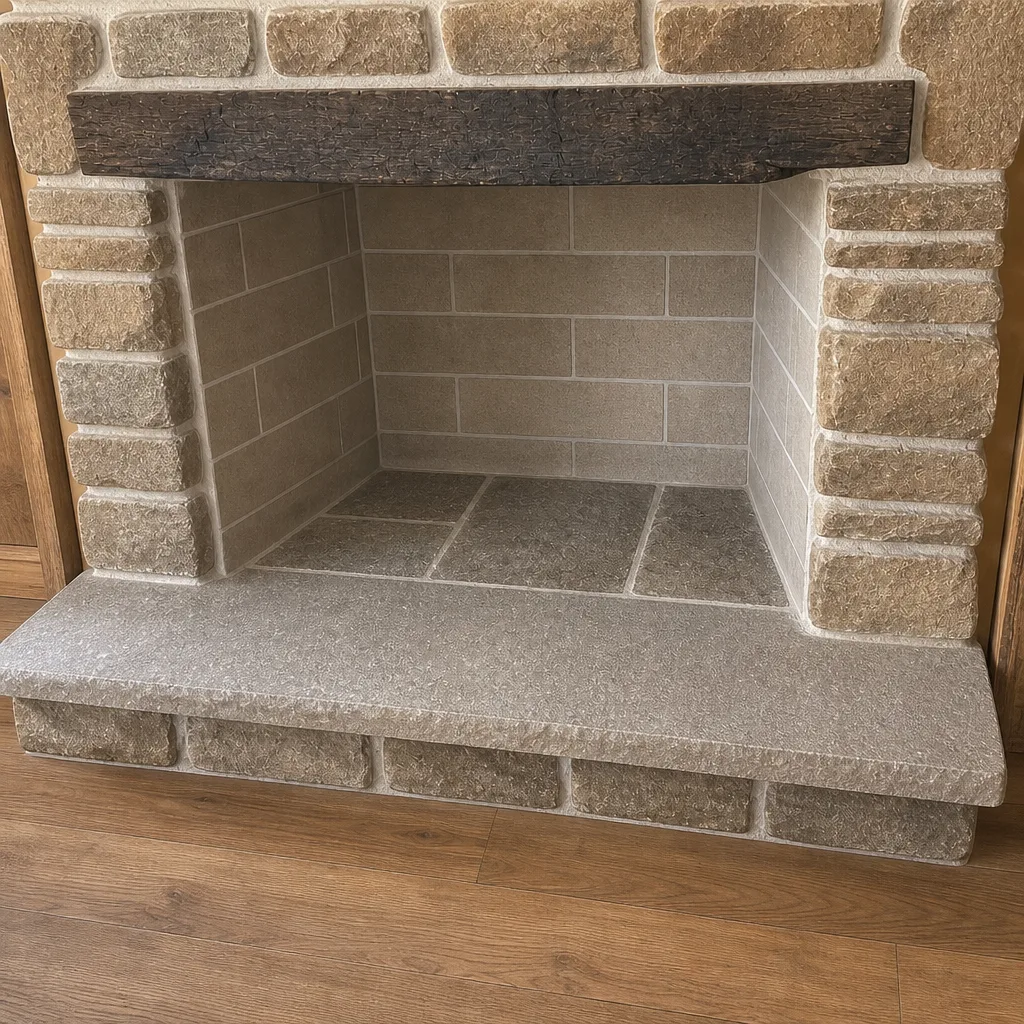
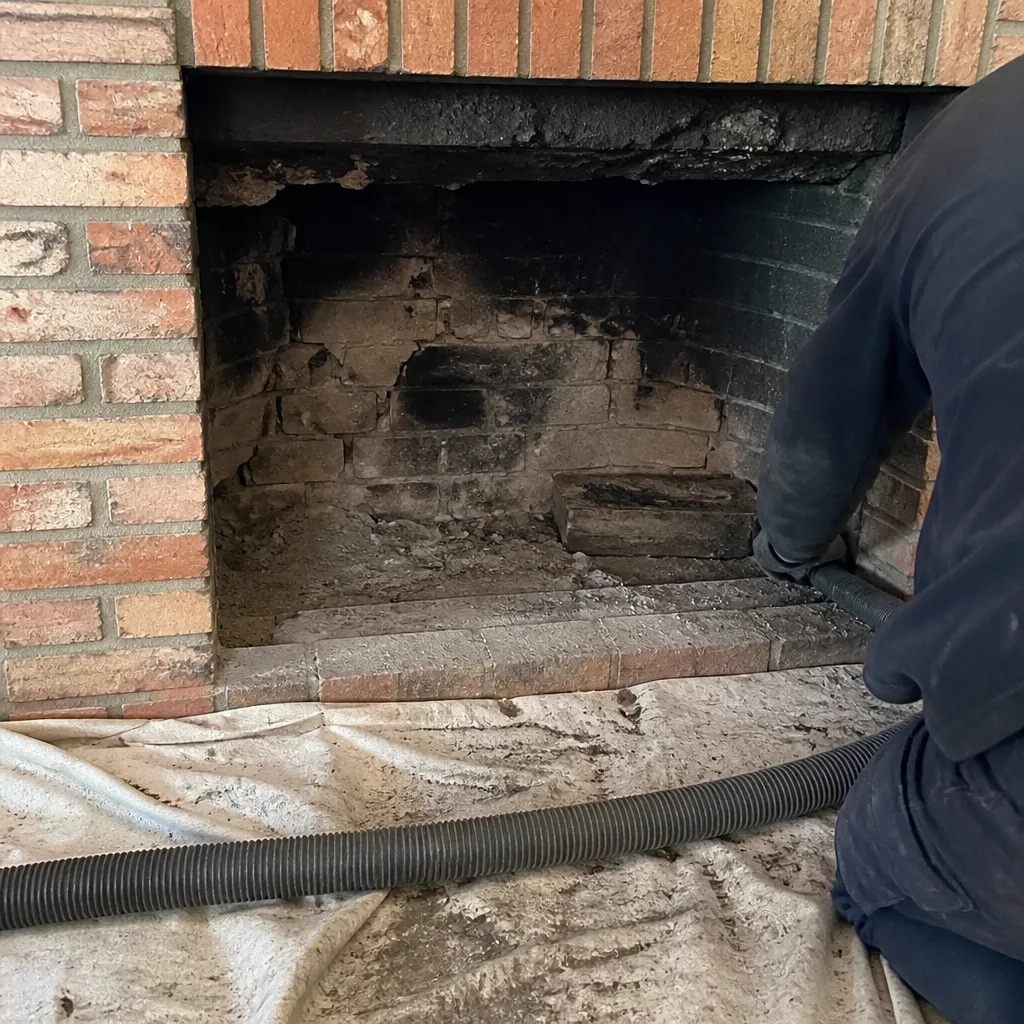 Before
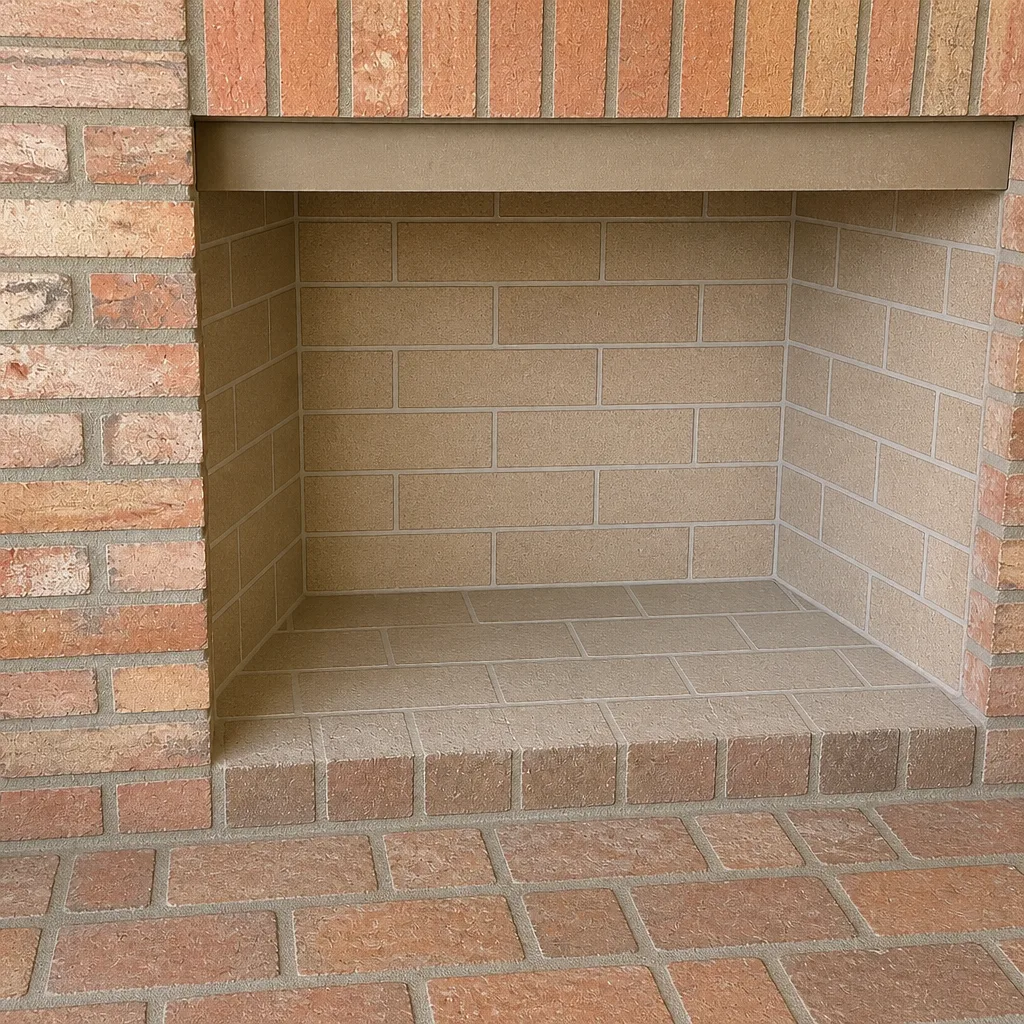 After
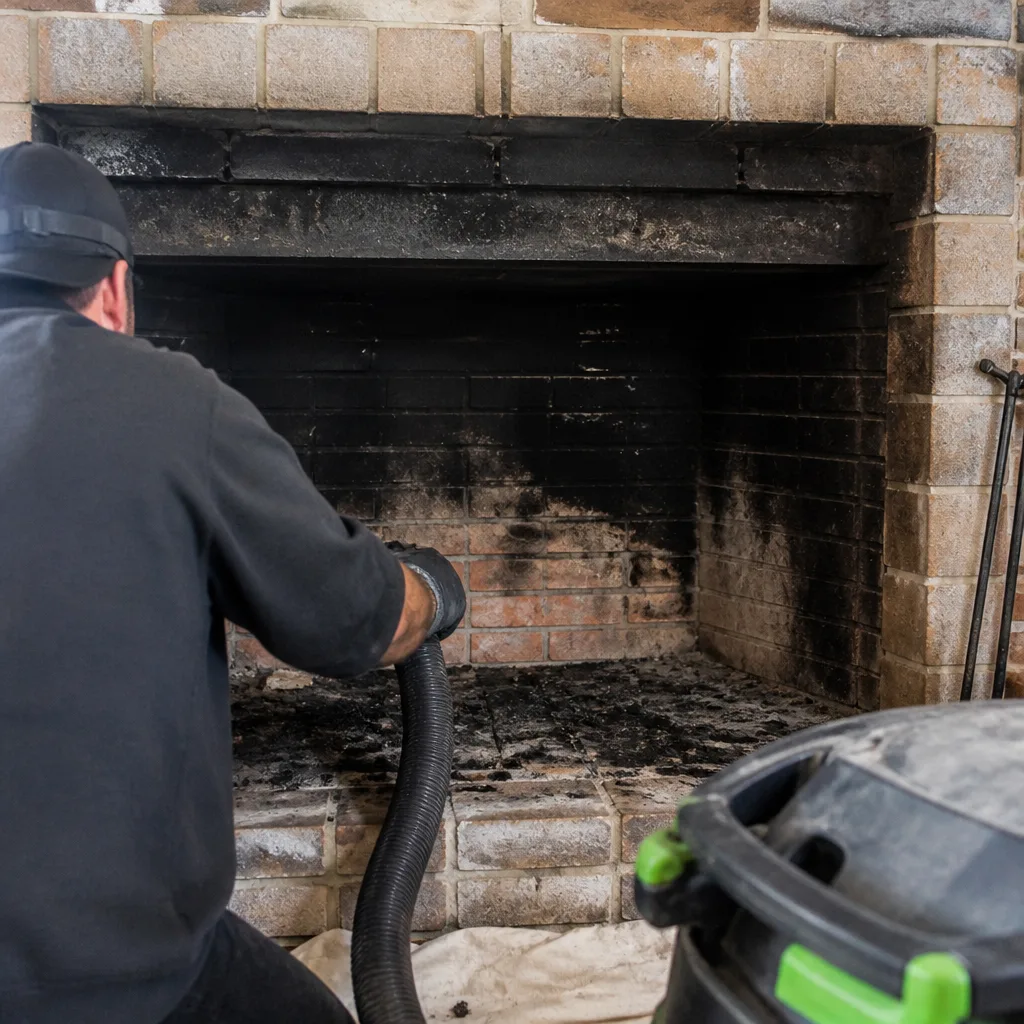
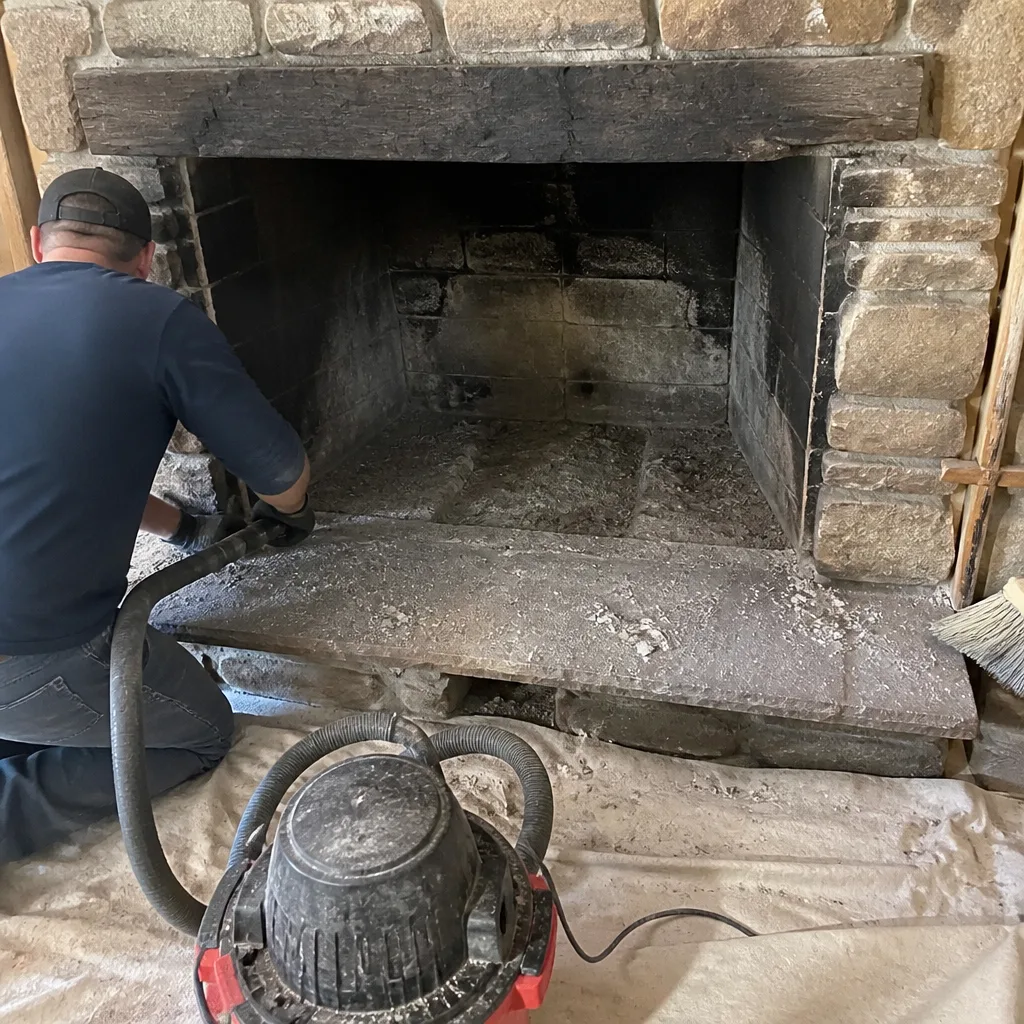 Before
 After
 Before
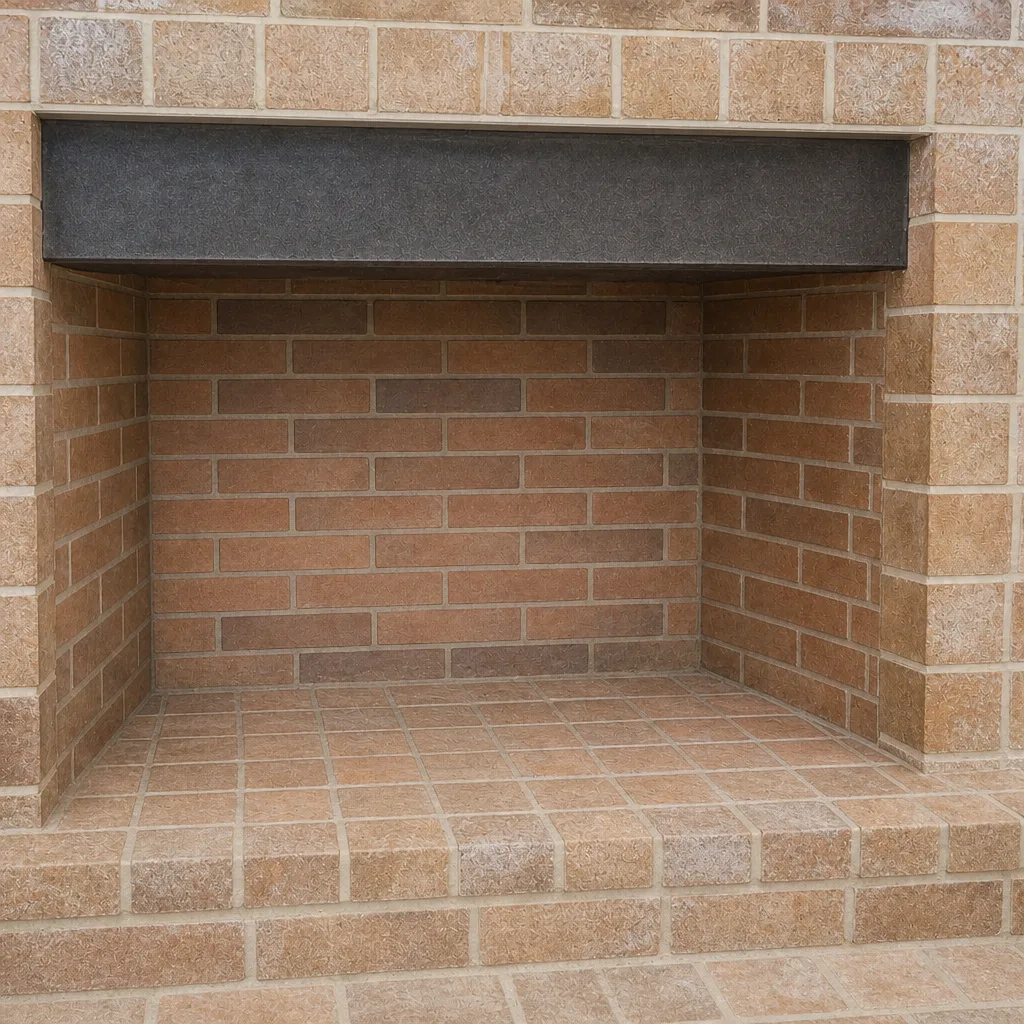 After