
Last updated November 24, 2026
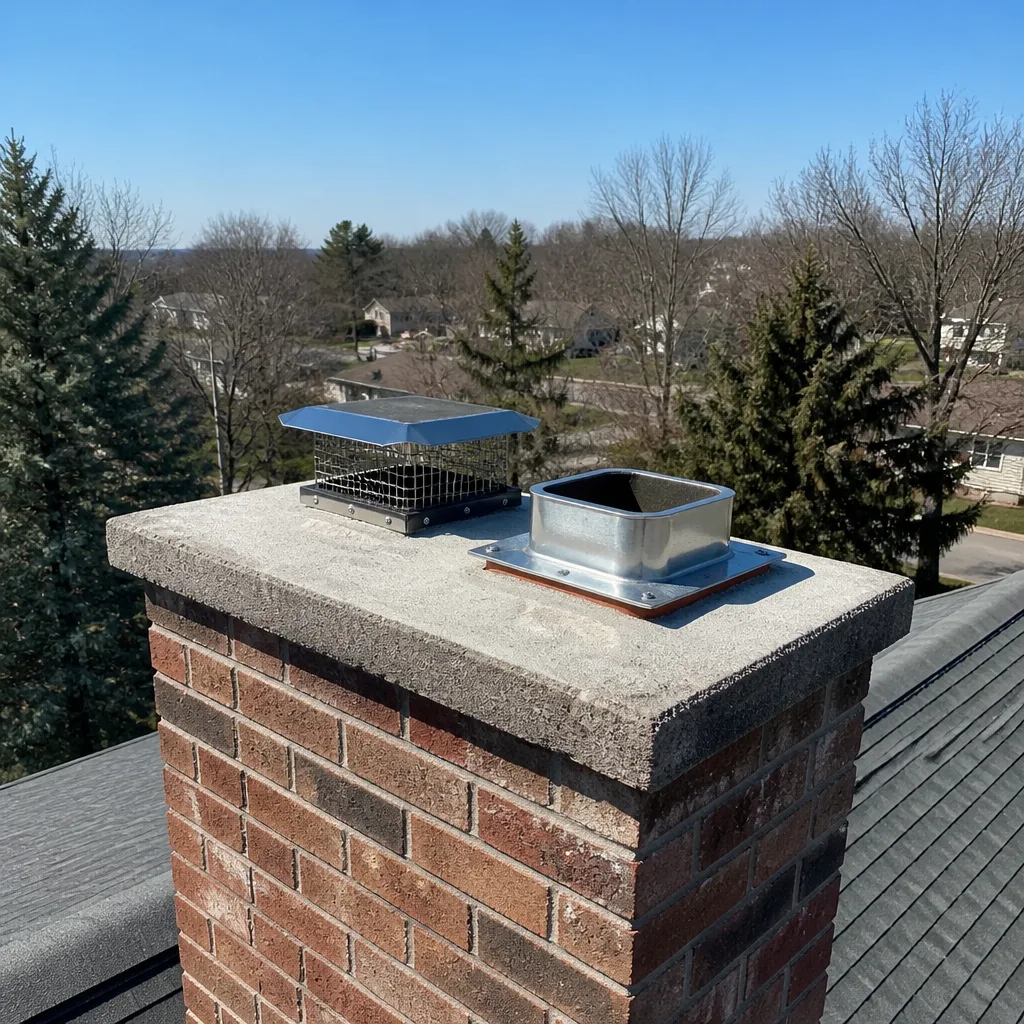 Sweep & inspection
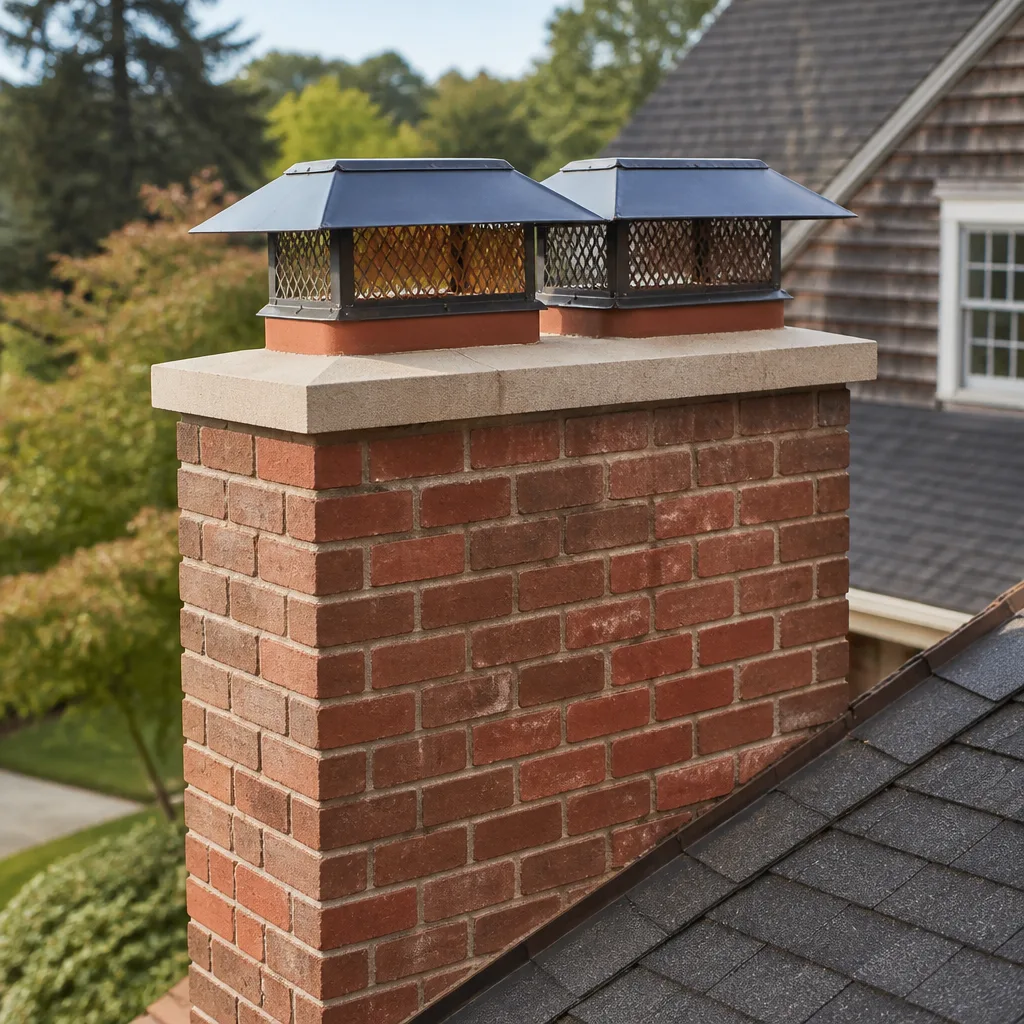 Caps & crowns
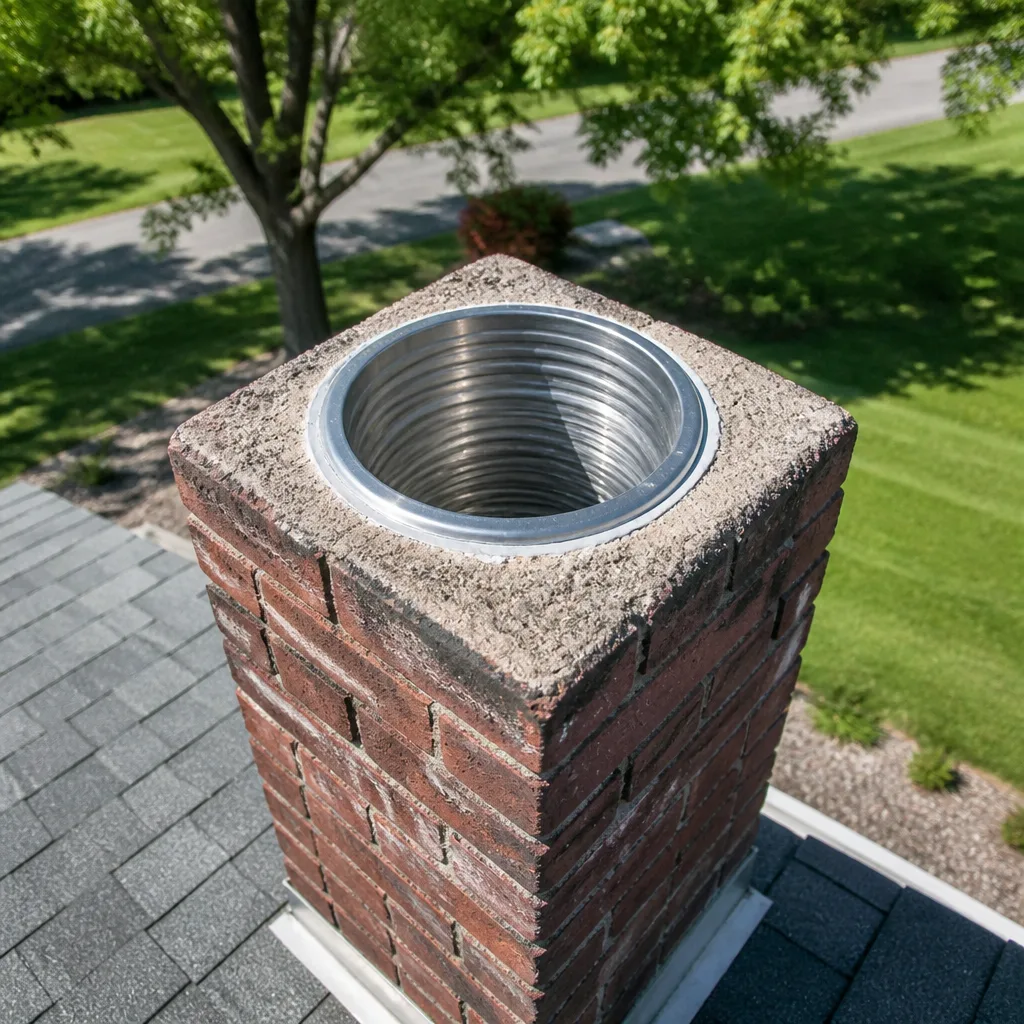 Flue relining
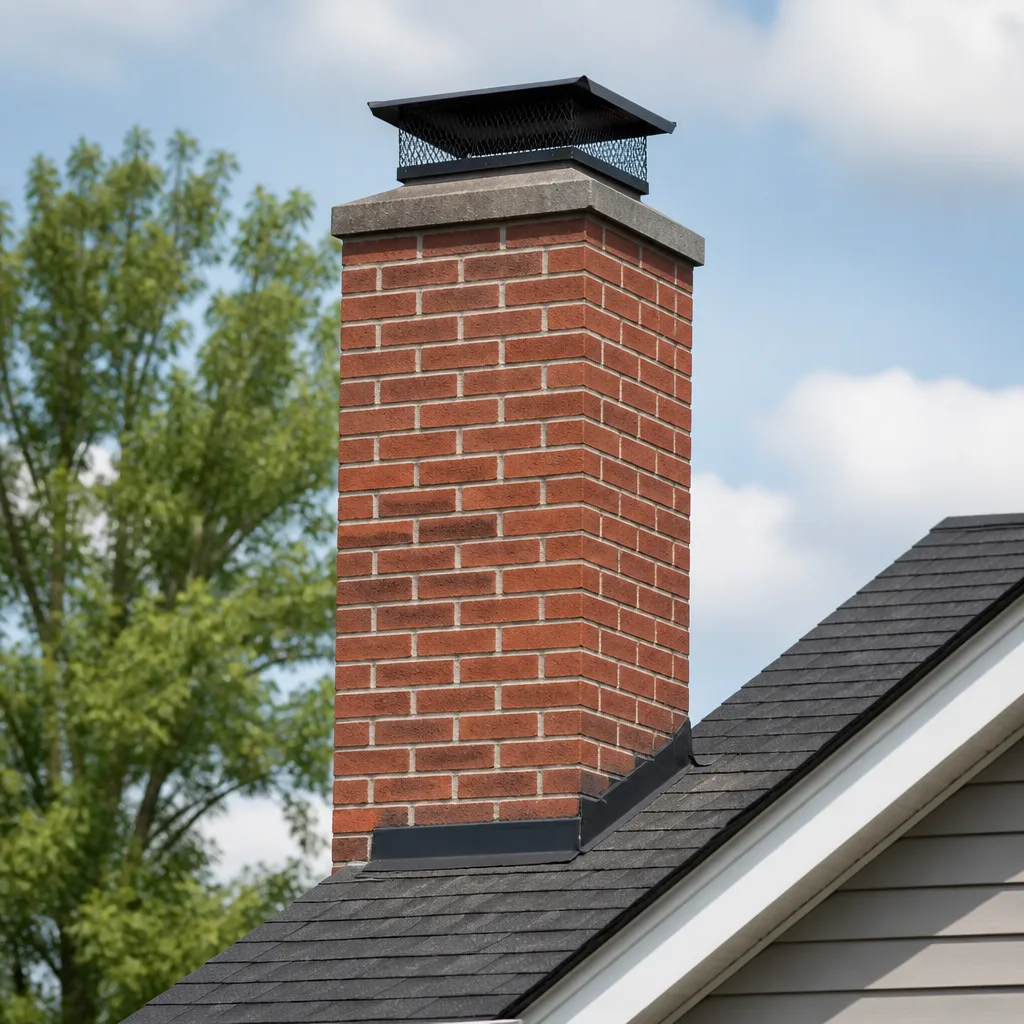 Masonry repair
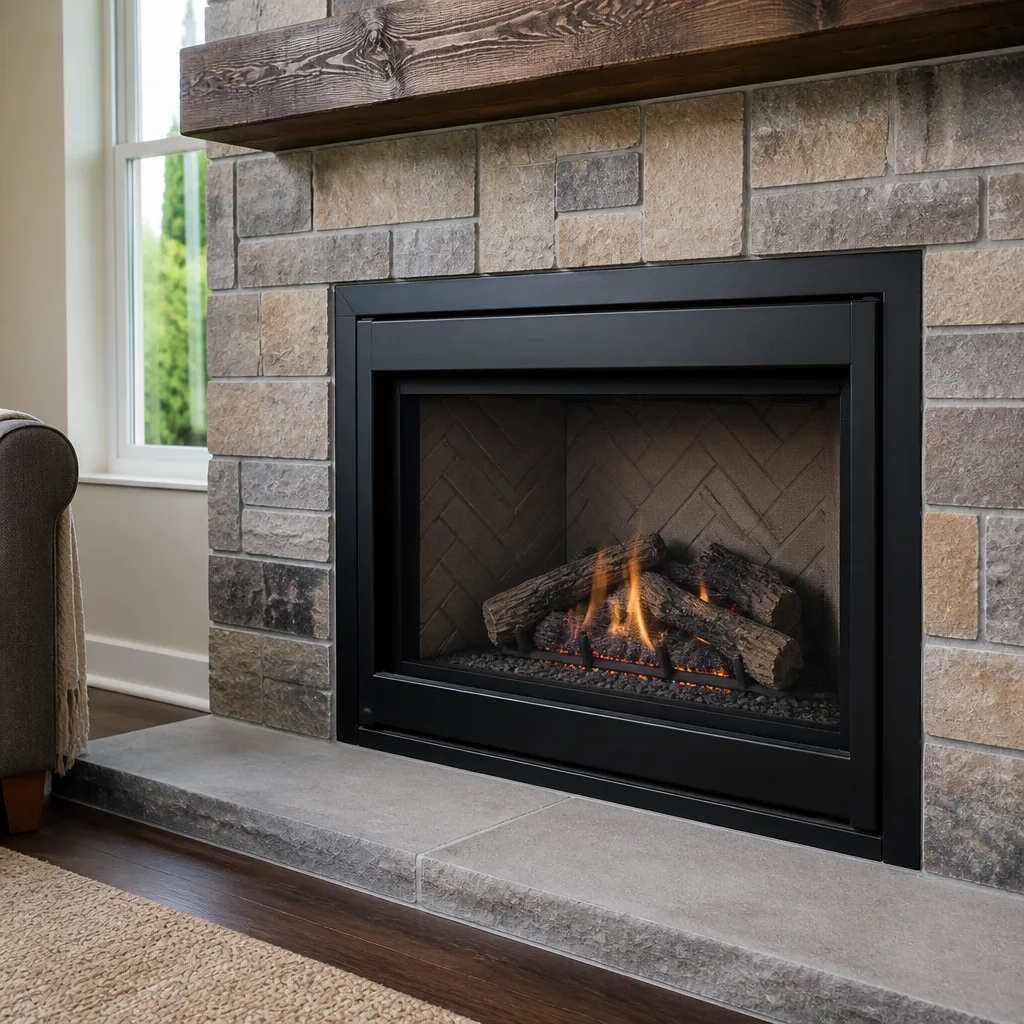 Gas fireplace service
Level 1 sweep and inspection to the NFPA 211 annual standard - flue, crown, cap, and flashing checked and photographed
Chimney sweep logs do not sweep chimneys. They loosen some creosote - which then falls where a brush and vacuum still have to collect it.
Chimney Cleaning Emergency Preparedness Guide for Saratoga Springs Homes
Most chimney emergencies are decided long before the fire truck arrives. During a chimney fire, the first real decision a homeowner faces is whether to call 911 or try to manage it themselves, and the honest answer is that most people make the wrong call because they’ve never seen, heard, or felt what a chimney fire is actually like from inside the house. This guide is about the decisions you make in the months before an emergency, not the panicked minutes during one. It covers the sensory signs of a chimney fire, the correct sequence of actions, the paperwork that should already be in one retrievable place, and the maintenance habits that remove the most common ignition scenarios in Saratoga Springs homes.
Quick Answer
Chimney fire preparedness in Saratoga Springs comes down to three things: keep the flue clean and the cap and crown intact through annual service, know the sights and sounds of a chimney fire and the order of actions (close the damper, get everyone out, call 911), and keep one folder with your inspection records, liner type, chimney dimensions, and our number where you can grab it fast. Emergencies are prevented by maintenance and handled correctly by preparation. Both are chores you do on a calm day.
Styles & brands we work with
- Sweep & inspection
- Caps & crowns
- Flue relining
- Masonry repair
- Gas fireplace service
Table of Contents
- What a Chimney Fire Actually Is
- What a Chimney Fire Looks, Sounds, and Feels Like Inside Your Home
- What to Do During a Suspected Chimney Fire: The Correct Sequence
- What to Have Documented Before an Emergency
- Post-Fire Protocol: Why a Chimney That Survived Must Be Inspected
- How Maintenance Eliminates the Most Common Ignition Scenarios
- Why Saratoga Springs Homes Face Specific Chimney Risks
- Building a Yearly Preparedness Calendar
What a Chimney Fire Actually Is
A chimney fire is the ignition of creosote or soot that has built up on the inside of the flue. Creosote is a natural byproduct of burning wood. It forms as a crusty, flaky, or tar-like deposit depending on how hot and how completely the fire burned and how much moisture the wood held. When that deposit gets hot enough, it lights.
There are two broad types, and homeowners tend to think only of the dramatic one:
- Free-burning chimney fire. Loud, visible, and fast. This is the version people picture when they hear the term.
- Slow-burning chimney fire. Quiet, low, and often completely unnoticed. It can smolder for a stretch of time without obvious sound or flame, damaging the flue from the inside while the wood stove or fireplace looks normal from the living room.
The slow-burning type is the one that most often affects Saratoga Springs homes without anyone realizing it. A chimney can sustain damage from a low, quiet fire and then be used again the next cold evening. That’s why the inspection record matters so much. Every burn season adds to the creosote load, and consistently burning wood on top of an unclean flue stacks the odds against you year after year.
Understanding the difference between a fire that “went out” and a chimney that is safe to use is the foundation of the entire preparedness conversation. A chimney fire is not a single event with a single ending. It’s an event with consequences that need to be measured, and measuring requires a professional looking at the inside of the flue with a camera. That is exactly what a full-system inspection does.
What a Chimney Fire Looks, Sounds, and Feels Like Inside Your Home
The reason so many homeowners make the wrong call is that they’ve never read a plain description of what a chimney fire feels like from the couch. Here are the specific indicators, grouped by sense, so you can recognize them if they happen:
What you’ll hear
- A low roaring sound that resembles a distant freight train or a strong wind rushing through a tunnel. It starts low and builds.
- Popping and crackling that continues after the fire in the firebox should have settled.
- A rhythmic tapping or clicking inside the chimney, which can be the sound of debris or expanded metal from the flue liner.
- In a metal flue, a rumbling vibration that travels through the wall.
What you’ll see
- Dense smoke, or smoke puffing out of joints in the stovepipe, at the damper, or from seams in a masonry chimney.
- Glowing or sparks visible from the chimney top when you step outside.
- A hot, discolored look to the chimney pipe on a metal flue.
- Flames visible at the top of the chimney when you look from the yard.
What you’ll feel
- Radiating heat from the chimney breast, stovepipe, or a wall that shares the flue.
- Heat on the chimney cap area that you can feel from a distance.
- Visible warping, discoloration, or a “hot” smell in the room where the stove or fireplace sits.
If you notice any of these, treat it as a suspected chimney fire. Do not put another log on the fire to test it. Do not wait to see if it stops on its own. Go through the action sequence below.
What to Do During a Suspected Chimney Fire: The Correct Sequence
The order matters. Here is the sequence, and the reasoning behind each step:
- Close the damper and the firebox doors, and shut off the air supply. A chimney fire needs oxygen. Closing the damper and any stove or fireplace air intake slows the burn and lowers the heat the flue is exposed to. This is the step most people skip because it feels counterintuitive to close off the fire they can see, but the fire you’re worried about is up in the flue, not in the firebox.
- Get everyone out of the house, and call 911. Do this even if the fire appears to have died down. A slow-burning fire can continue inside the flue, damage the liner, and create an opening where carbon monoxide or fire can reach the structure. Call from outside the house. Do not re-enter to check on the fire.
- Do not spray water down the chimney. A sudden temperature change on hot masonry or a metal liner can crack it. A chimney on fire is also a chimney that can fail, and standing below it with water is the wrong place to be.
- Alert a neighbor and wait for the fire department. If you can see sparks on the roof or thick smoke from the chimney, say so when you call. Once the fire department has cleared the scene, do not relight the fireplace or stove.
The most common mistake we hear about is a homeowner who “handled it” by closing the damper and then never called 911 and never had the chimney inspected. That’s the pattern that leads to a second, worse event. If you suspect a chimney fire happened in your home, the chimney needs an inspection before it is used again, no exceptions.
If your chimney hasn’t been cleaned this year, we’d rather you call us now than call us after. A scheduled chimney sweep is the cheapest insurance against this whole scenario.
What to Have Documented Before an Emergency
An emergency is the worst possible time to hunt for information. The single most useful thing you can do this month is build one folder, digital or physical, that a firefighter, insurance adjuster, or chimney technician can use. Here is what belongs in it:
- The most recent inspection report. Every full-system inspection generates a report and photo set. Keep the most current one, and note the date of every inspection so the fire department knows when the flue was last evaluated.
- Liner type and material. A note that says “DuraFlex stainless flexible liner, installed along with documentation” tells a first responder and an insurer exactly what is inside the chimney. If your liner was resurfaced with HeatShield, write that down too. Different liner materials behave differently under heat.
- Chimney dimensions. Interior flue size, total height, and whether your flue is offset or straight. This is what lets a professional size a liner correctly and what helps a fire department plan around your chimney.
- Fireplace or stove model and appliance type. Wood-burning, gas, or insert. Each has different clearance and liner considerations, and first responders need to know what they’re dealing with.
- Contractor contact information. Our number, plus the name of any previous sweep or repair company whose work is part of your chimney’s record. Include the cap and crown manufacturer if you know it.
- A photo of the outside of the chimney and the cap. One current photo of the top, one of the firebox, one of the exterior, stored in your folder or phone.
Paperwork is not glamorous, and this is not busywork. When a fire department asks “was this chimney cleaned recently and what kind of liner is in it,” a homeowner with the folder answers in seconds. A homeowner without it answers “I don’t know,” and the response has to assume worst-case.
Post-Fire Protocol: Why a Chimney That Survived Must Be Inspected
If a chimney has had a fire in it, it must be inspected before any further use, regardless of visible damage. A chimney that looks fine from the outside can have a cracked liner, a warped metal flue, a shifted crown, or heat damage behind the masonry. This is not a scare tactic. It is the standard the trade works to, because the visible surface of a chimney is the least reliable indicator of its condition.
Here is what a post-fire evaluation covers:
- Camera inspection of the flue. A video scan of the interior tells us exactly whether the liner survived, where it cracked, and whether the damage is repairable or requires relining.
- Inspection of the firebox and smoke chamber. These areas take the heat first and crack before the rest of the system shows damage.
- Exterior check of the crown, cap, and flashing. Heat can warp the cap and open a path for water, which then becomes a structural problem weeks after the fire.
- Documentation. You get a report and photos showing what we found, what it needs, and what can safely wait.
Post-fire repair options depend on what the inspection finds. A cracked or deteriorated liner can sometimes be resurfaced with HeatShield rather than torn out and replaced, which is a substantial savings on a full reline. When the flue is offset or irregularly shaped, a DuraFlex flexible liner system is often the correct replacement, since it conforms to the shape of the flue rather than forcing it into a straight run. In our experience, the repair path is usually clearer than worried homeowners expect, and it’s not always the most expensive one. The written estimate tells you the actual scope.
What you shouldn’t do is skip the inspection and relight the fireplace because the chimney “seems fine.” That’s how a repair job becomes a chimney repair you didn’t plan for, plus a fireplace issue that costs more to fix than the initial inspection would have.
How Maintenance Eliminates the Most Common Ignition Scenarios
Most chimney fires start from one of a small number of scenarios. Each has a specific maintenance habit that prevents it:
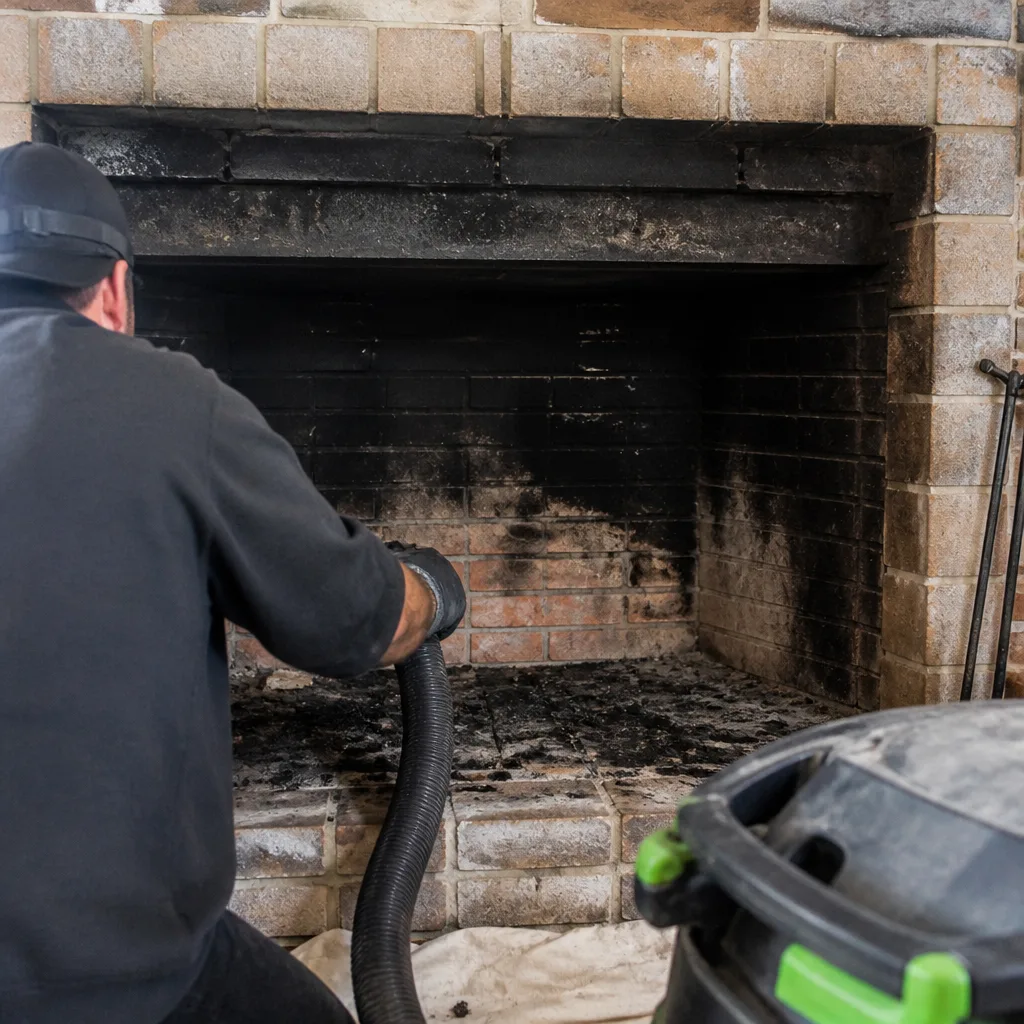
- Creosote buildup in the flue. The number one cause. Annual sweeping keeps creosote from stacking up to the point where a normal, hot fire can ignite it. We evaluate the flue with a camera on every sweep, so you know exactly what your lining looks like before you strike the next match.
- A damaged or missing cap. Birds, squirrels, and blowing precipitation get into an uncapped flue. Nesting material is flammable, and a wet flue accelerates creosote formation. A proper cap closes the top of the chimney while still venting the smoke. We install caps and crowns as a standalone service, which is also the correct finishing step after a liner repair.
- A cracked crown. The crown is the concrete cap on top of the masonry. A crack lets water into the chimney, which freezes and thaws in Saratoga Springs winters, opens the crack further, and eventually finds its way into the flue and the masonry. Water damage is behind much of the structural chimney work we do. Replacing the crown is a small job that protects everything below it.
- An improper liner. A flue that was designed for one appliance and is now venting another, or a clay tile flue with missing mortar joints, can leak combustion gases or fail under heat. Relining with a DuraFlex system restores both safety and code compliance.
- Burning wet or unseasoned wood. This doesn’t start a chimney fire directly, but it loads the flue with creosote faster than dry wood does. Drying wood for a full season before burning is the single best thing a homeowner does for their own chimney.
- Never having the chimney inspected. Real estate transactions, new-home purchases, and change-of-ownership are the most common times a chimney gets its first real inspection. If you’ve never had one, that’s the gap.
Every one of these scenarios is caught on a full-system inspection before it becomes an emergency. The inspection tells you exactly what your flue needs and nothing more. That’s the standard we work to, and it’s what we recommend whether or not you hire us.
Why Saratoga Springs Homes Face Specific Chimney Risks
Saratoga Springs sits in a high-desert valley with cold, long winters and wide temperature swings between day and night. That combination matters for chimneys in a few concrete ways:
- Freeze-thaw on the crown and masonry. Water gets into small cracks and expands as it freezes overnight, widening the crack before it thaws the next afternoon. Over a season that opens a hairline crack into real masonry damage. The crown takes the worst of it.
- Active burn season. Homes around Saratoga Springs run a fireplace or wood stove through a long heating season, which means creosote accumulates faster than in milder climates. Annual service isn’t a “good idea” here, it’s the schedule the house needs.
- New construction and newer subdivisions. Many Saratoga Springs homes are newer builds with factory-built fireplaces and metal flues. These still need inspection, sweeping, and cap maintenance, and the liner materials in them are not all the same. Knowing what’s inside your flue matters more than knowing the model of the house.
- Wind and debris. Open flues on the valley’s exposed rooftops collect leaves, dust, and nesting material. A cap handles most of it; without one, the flue’s first restriction of the season can be a nest.
If your chimney is older masonry, or if you’re not sure when it was last evaluated, a full-system inspection covers the firebox, liner, crown, cap, flashing, and exterior masonry in a single visit. That’s the protection, not an upsell.
Building a Yearly Preparedness Calendar
A prepared home doesn’t have a heroic emergency plan. It has a boring yearly routine. Here is what we recommend for a Saratoga Springs home with a working fireplace or stove:
- Before the first burn of the season. Book a sweep and inspection. Do this in the fall, before the first cold evening, not after. The scope is a full-system check: firebox, liner, crown, cap, flashing, exterior masonry.
- On the same visit. Have the cap and crown checked, and repair or replace them if the inspection shows a problem. Caps and crowns protect the liner and masonry above everything else.
- Mid-season. Walk the outside of the chimney with a flashlight. Look for missing cap components, cracked crown, loose masonry, or staining on the exterior. Note it and call us if anything looks off.
- End of season. If you had a chimney fire (even a suspected one), it is inspected before next use, no exceptions. If not, restock your folder with the current inspection report and photos.
- Any time. Confirm your folder is retrievable: report, liner type, dimensions, appliance type, contractor contact, and current photos. If a fire department knocked at 2am, could you hand them the information in under a minute?
That’s the whole calendar. It’s cheaper than a repair, and far cheaper than a post-fire rebuild.
Common Mistakes to Avoid
- Waiting to call 911 because the fire “seems small.” A slow-burning chimney fire can smolder inside the flue for a long while without obvious sound. Once you’ve closed the damper and evacuated, calling 911 costs nothing and protects everyone.
- Relighting the fireplace after a suspected chimney fire without an inspection. Even a chimney that looks fine from the living room can have a cracked liner or warped flue. Use the post-fire protocol before the next burn.
- Assuming a capped chimney doesn’t need a sweep. A cap keeps birds and rain out, not creosote. In Saratoga Springs, a full heating season still loads the flue with creosote that has to be removed.
- Putting off the crown repair because the chimney “still drafts.” A cracked crown is a water problem, and water damage works its way down over a winter. Water is behind much of the masonry repair we do.
- Burning unseasoned wood because it’s what’s available. Wet wood forms creosote faster and hotter. Dry wood for a season before burning.
- Never having the chimney inspected, especially after buying a home. A pre-purchase inspection is the cheapest way to know the liner, the crown, and the cap condition before you own the problem.
- Keeping chimney records nowhere in particular. If your inspection report is in a drawer, a text message, and an old email, it isn’t where you need it in an emergency. One folder, one place.
See the difference
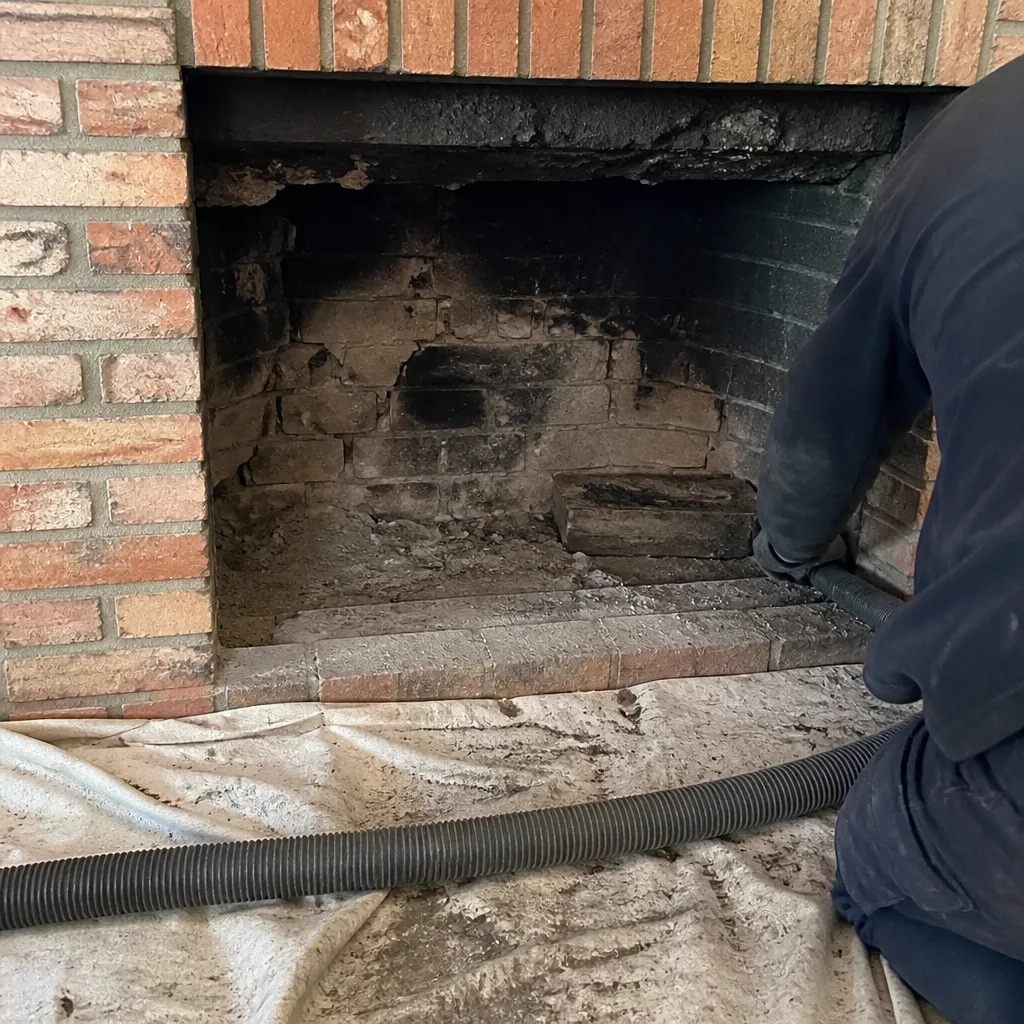 Before
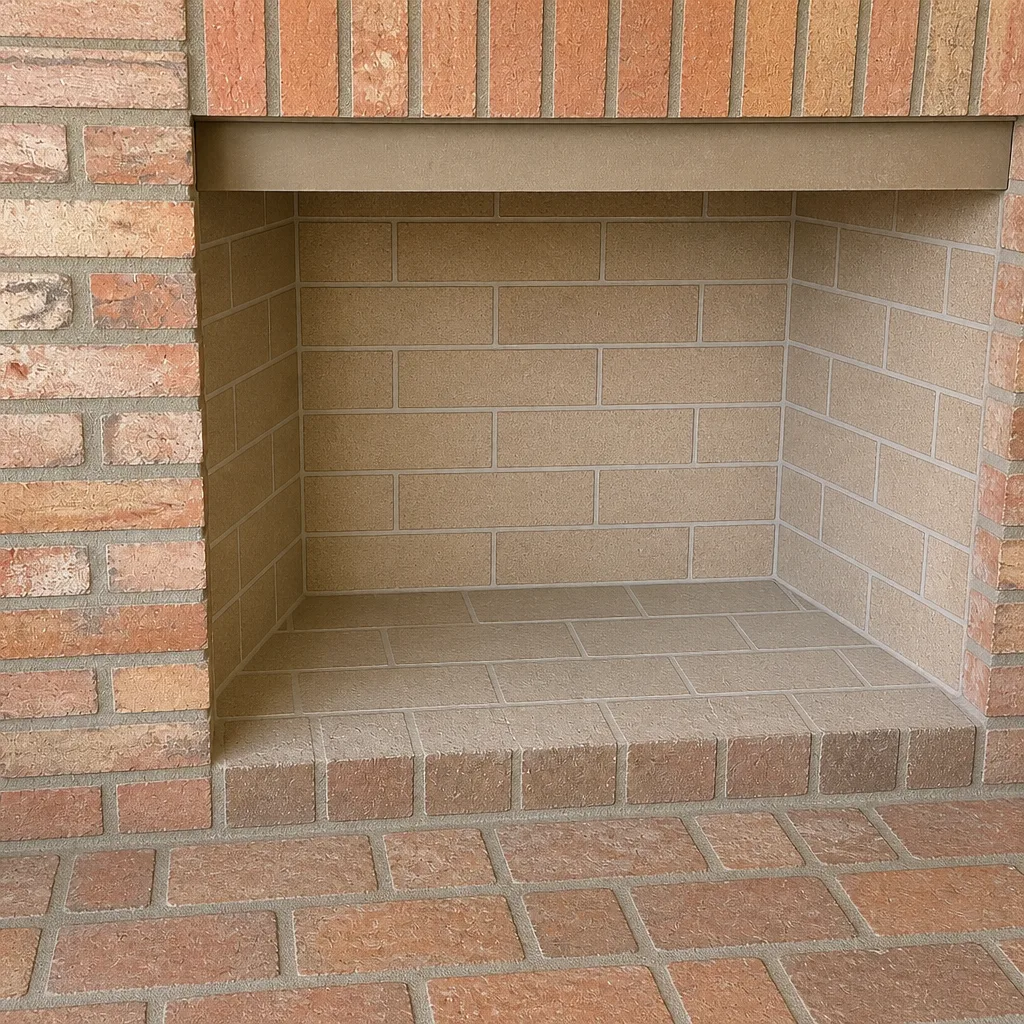 After
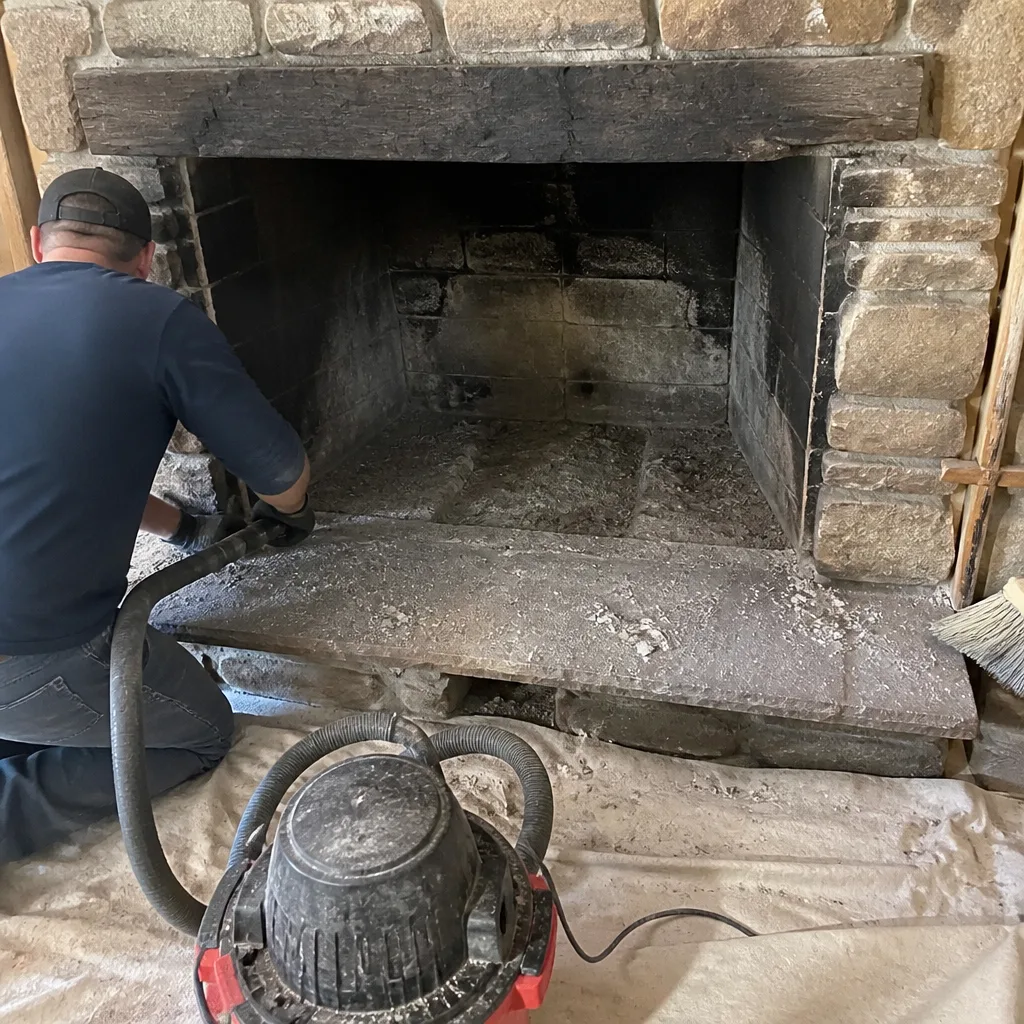 Before
 After
 Before
 After
When to Call a Professional
Call when you’ve had any suspected chimney fire, when you see stains, cracks, or loose masonry on the exterior, when smoke backs into the room on a cold start, when your cap is missing or damaged, when you’ve moved into a home and have no record of a chimney inspection, when your liner turns out to be clay tile with missing joints, or when you’ve simply gone a full burn season in Saratoga Springs without a sweep. Chimney Sweep Saratoga Springs offers free estimates in Saratoga Springs and works from cap to firebox on a single visit, so a sweep, an inspection, a crown repair, or a fireplace repair doesn’t require a second call to a different contractor. Call (833) 468-6033. We answer 24/7. Fast dispatch from 7am to 7pm, Sunday through Friday.
Frequently Asked Questions
Once a year for a home that burns wood through the heating season, and more often if you burn heavily or use unseasoned wood. The flue in a Saratoga Springs home sees a long burn season, so annual service is the schedule that keeps creosote from stacking up to ignition levels. Call (833) 468-6033 to book a sweep, estimates are free.
A chimney fire often sounds like a low roaring or rumbling that resembles a distant freight train or wind rushing through a tunnel, sometimes with popping and a rhythmic tapping inside the chimney. If you hear that while a fire is burning, treat it as a suspected chimney fire and follow the action sequence: close the damper, get everyone out, call 911. Call (833) 468-6033 after the fire department has cleared the scene to book an inspection.
Not always, but the liner must be inspected before the chimney is used again. A camera inspection tells you exactly whether the liner survived and whether the damage can be resurfaced with HeatShield or requires a full reline. We don’t recommend a replacement without camera evidence you can see for yourself. Call (833) 468-6033 for an exact quote, estimates are free.
Creosote accumulates in the flue, and once it’s thick enough, a normal hot fire can ignite it. That’s the most common ignition scenario in a wood-burning chimney. Skipping a sweep also means missing a cracked crown or a failing cap that lets water into the masonry over the winter. Call (833) 468-6033 and book a sweep before the next burn, estimates are free.
A chimney sweep is priced per job by a written estimate after we see the chimney, so the exact number depends on your flue, your appliance, and whether any repair is needed. We give a flat-price sweep agreed before booking, and the inspection report and photos are included so you know what your flue actually needs. Call (833) 468-6033 for an exact quote, estimates are free.
The only steps a homeowner should take are closing the damper, shutting off the air supply, getting everyone out, and calling 911. Do not spray water down the chimney or wait to see if the fire stops on its own. Once it’s out and the fire department has cleared the scene, the chimney must be inspected before it is used again. Call (833) 468-6033 to book a post-fire inspection.
The Bottom Line
Emergency preparedness isn’t a fire drill. It’s a maintenance schedule and a folder. The maintenance schedule is annual sweeping and inspection, a cap in place, a crown that isn’t cracked, and a liner appropriate to the appliance. The folder holds your inspection report, liner type, chimney dimensions, appliance type, contractor contact, and current photos. Together, they prevent the most common ignition scenarios in Saratoga Springs homes and make you the person who answers a firefighter’s question in seconds. Whether you need a sweep, an inspection, a chimney repair estimate, or a post-fire evaluation, that’s the work we do. Start with a Chimney Sweep Saratoga Springs service booked before the first cold evening, and you’ll have the records you need in hand. Call (833) 468-6033. We answer 24/7. Fast dispatch from 7am to 7pm, Sunday through Friday.
Written by the team at Chimney Sweep Saratoga Springs.