
Last updated November 24, 2026
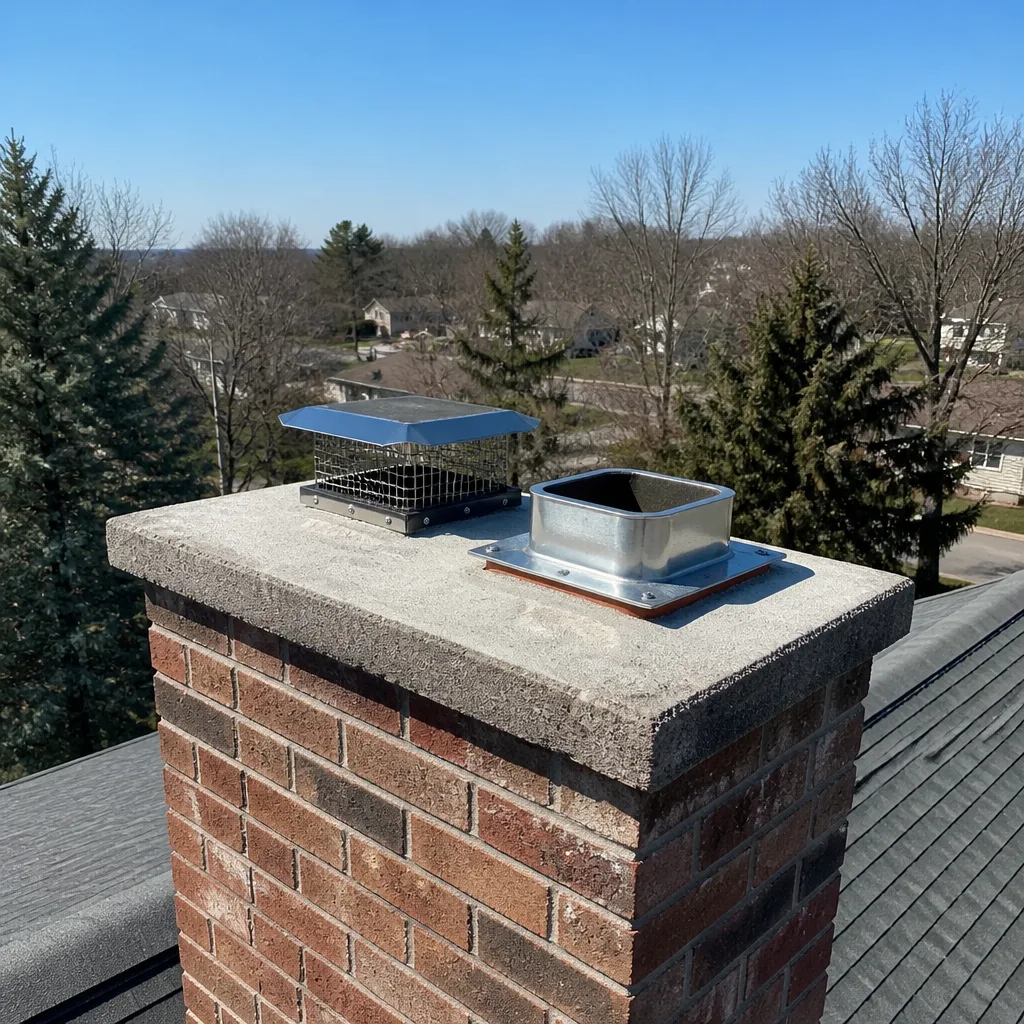 Sweep & inspection
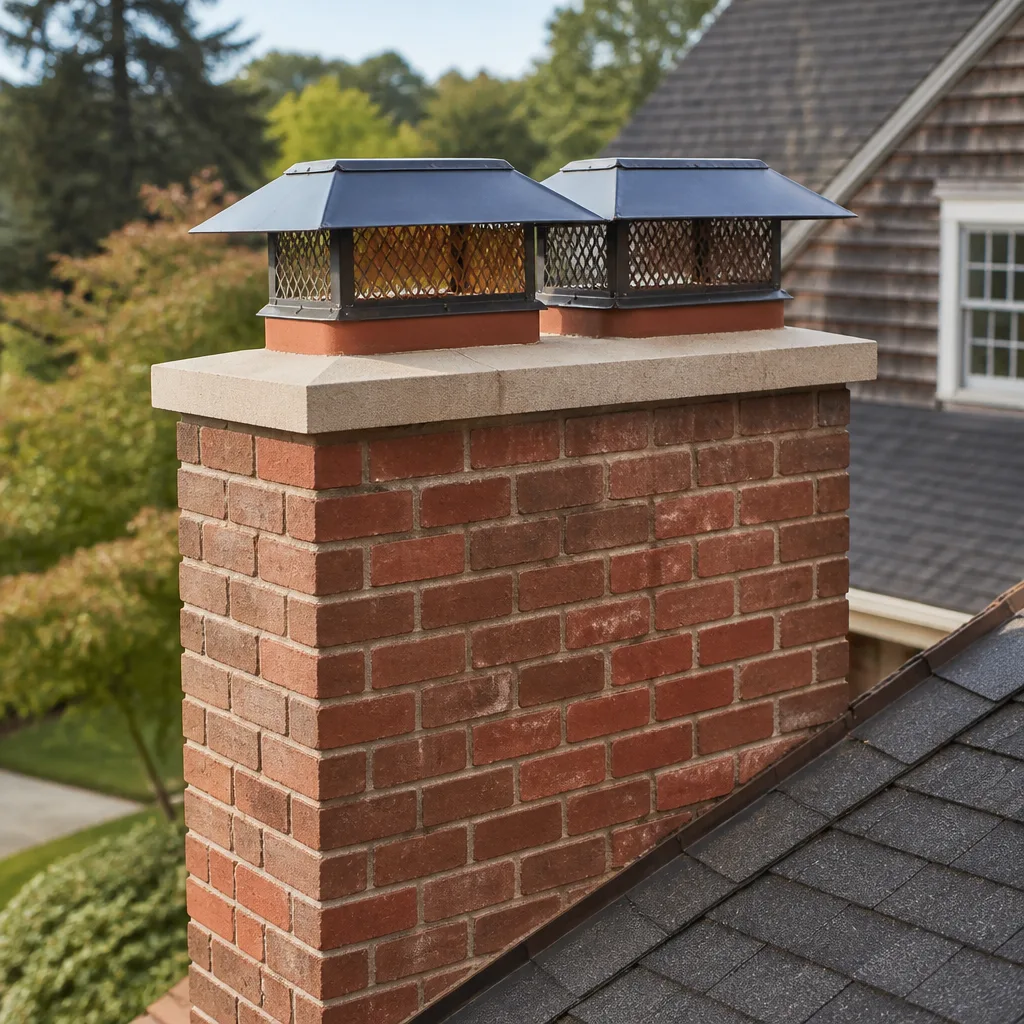 Caps & crowns
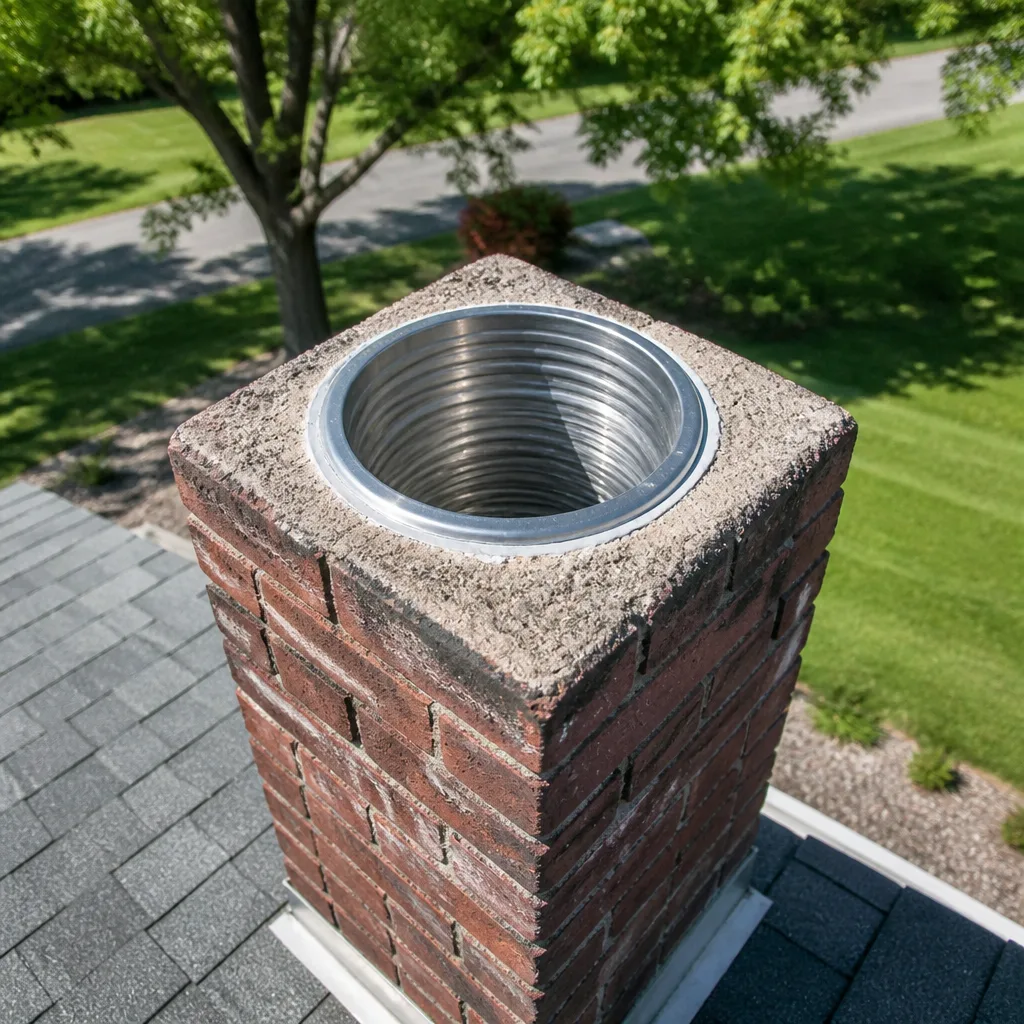 Flue relining
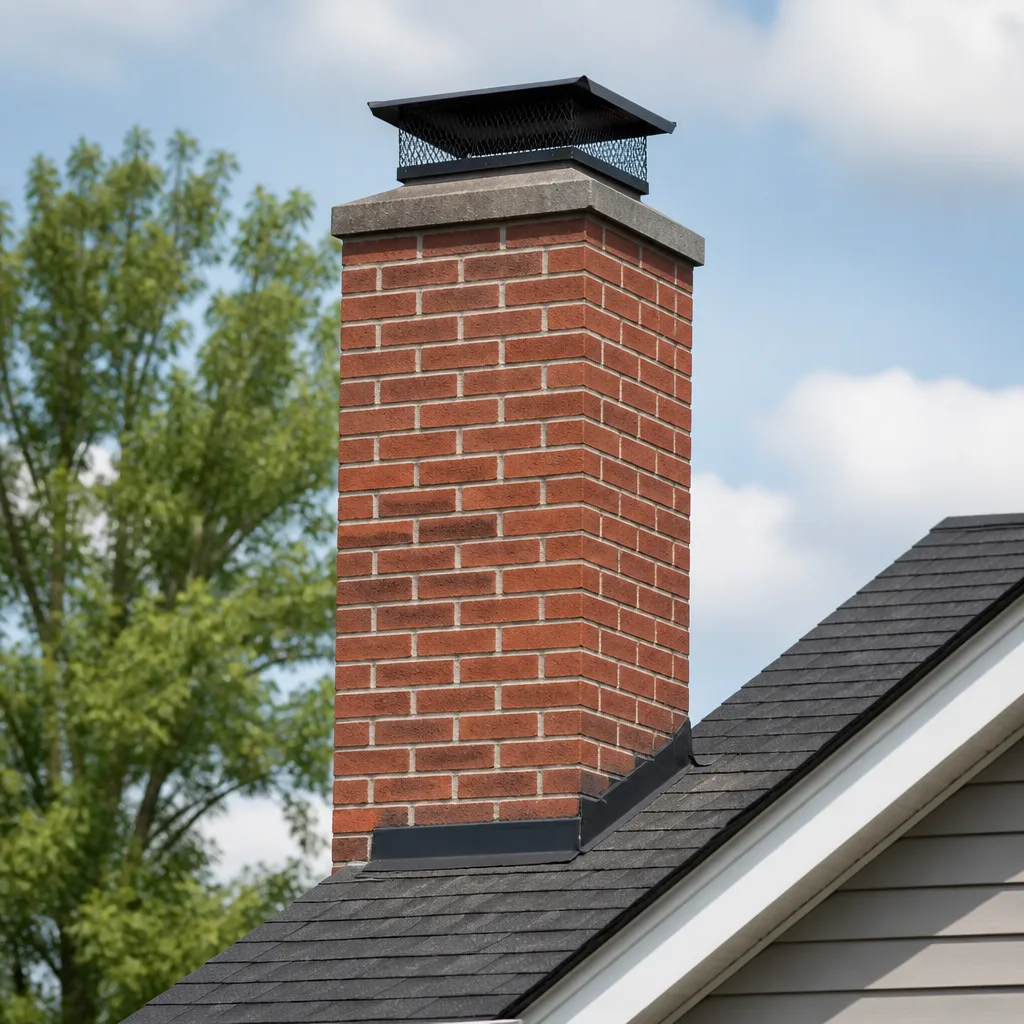 Masonry repair
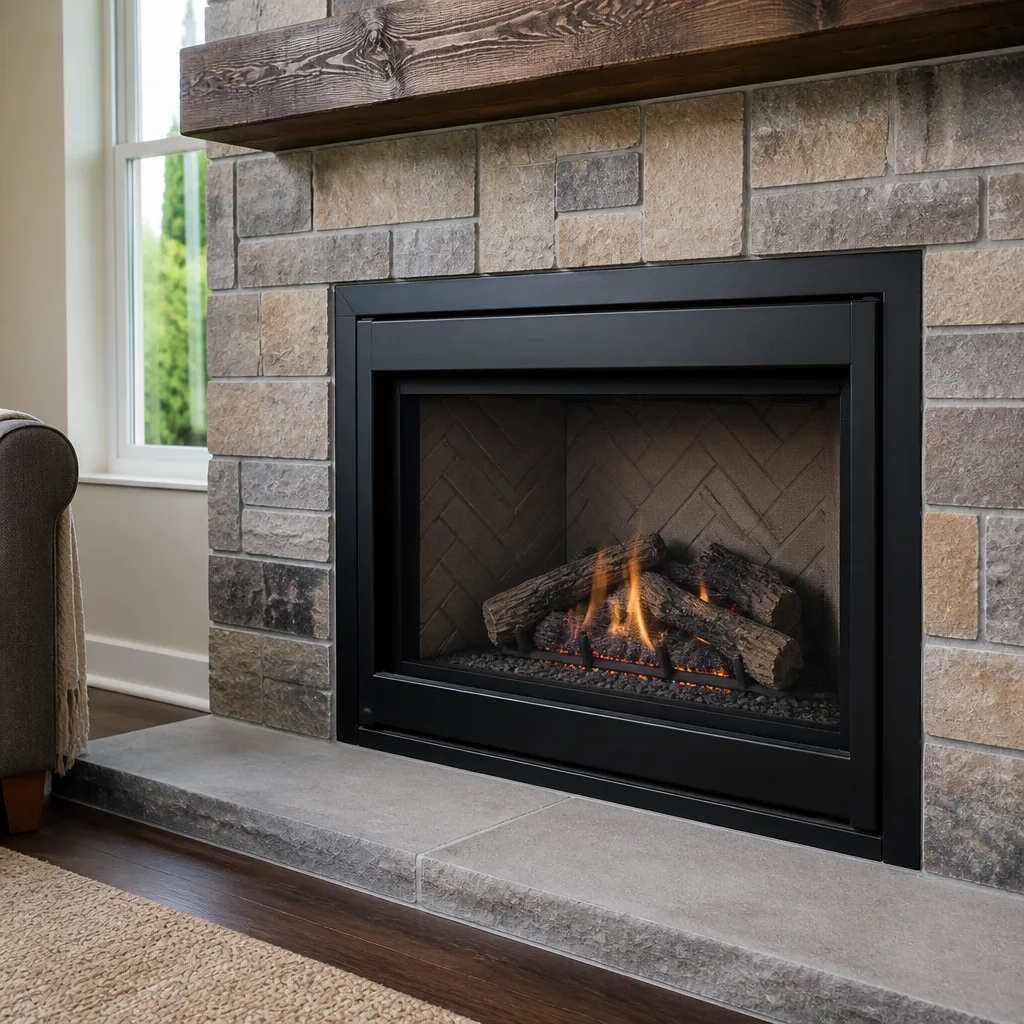 Gas fireplace service
Level 1 sweep and inspection to the NFPA 211 annual standard - flue, crown, cap, and flashing checked and photographed
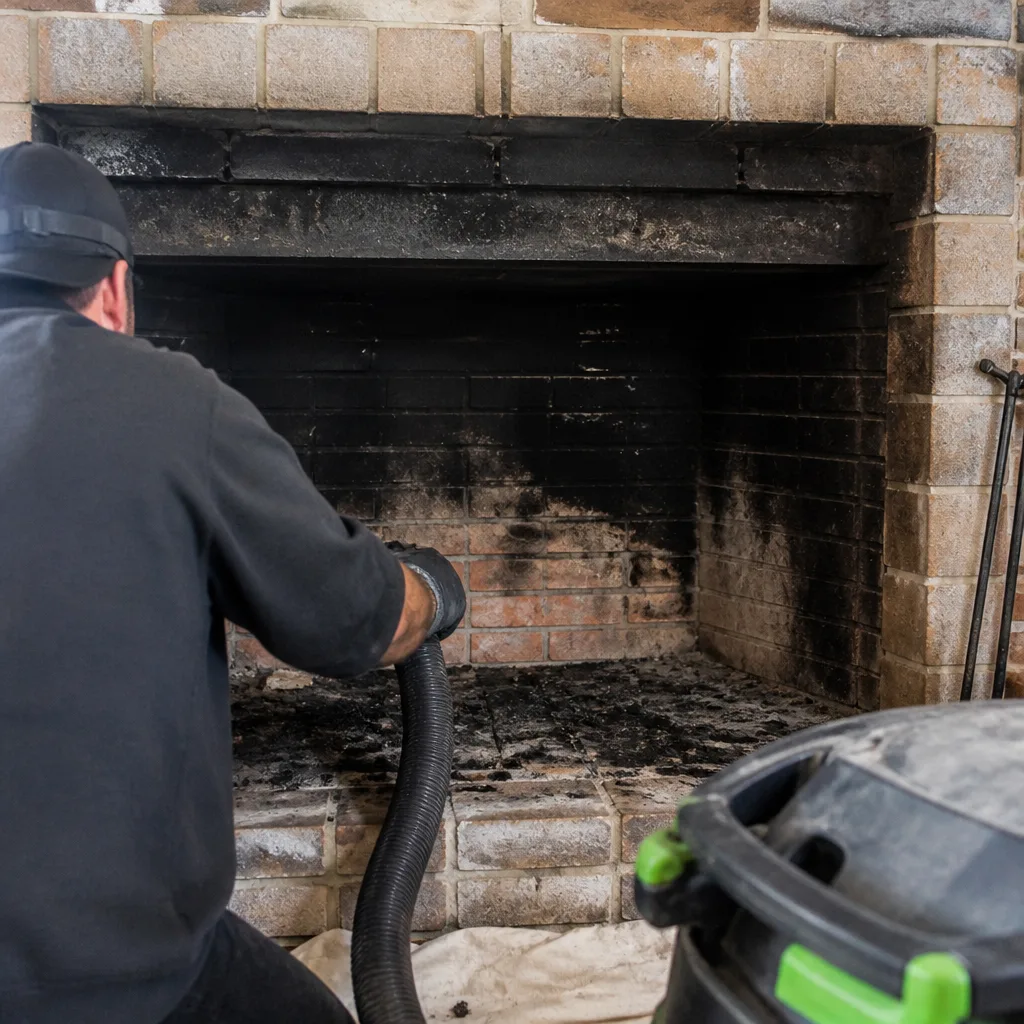
Chimney sweep logs do not sweep chimneys. They loosen some creosote - which then falls where a brush and vacuum still have to collect it.
Chimney Cleaning Warning Signs: A Saratoga Springs Homeowner’s Reference Guide
Most homeowners judge their chimney by what they can see: soot on the firebox walls, smoke curling out of the top, maybe a dark streak on the brick outside. Those are the obvious signals, and they matter. But the signs that actually tell you a chimney needs attention right now are quieter, and they show up in places people don’t think to look. A campfire smell in a cold living room. A fire that’s slow to catch. A faint hiss from the flue. Rust on the cap. A carbon monoxide detector that chirps near the fireplace wall. In Saratoga Springs, where wood burning runs hard through the cold months and temperature swings work on exterior masonry all year, those signals are worth reading carefully. This guide walks through each one, sorts the ones that mean “schedule a sweep soon” from the ones that mean “stop burning today,” and shows you how to spot trouble before it turns into a repair.
Quick Answer
The main warning signs that a chimney needs cleaning are a strong smoky or campfire odor in the room when the fireplace is cold, a fire that’s slow to start or smokes into the room, popping or rumbling sounds during burning, visible soot or glaze on the flue walls, and exterior clues like rust streaks, a stained crown, or crumbling brick. Any single one of these means it’s time for an inspection. A few of them, especially a smell that lingers or a backdraft that won’t clear, mean you should stop using the fireplace until a professional has looked at it.
Styles & brands we work with
- Sweep & inspection
- Caps & crowns
- Flue relining
- Masonry repair
- Gas fireplace service
What’s in This Guide
- Signs That Mean “Schedule Soon” vs. “Stop Using the Fireplace Today”
- Why a Campfire Smell Means Creosote, Not a Draft Problem
- Reading Draft Problems as Diagnostic Signals
- What Popping, Hissing, and Rumbling Tell You About the Flue
- Exterior Clues You Can Spot From the Ground
- Carbon Monoxide Detectors and Pet Behavior Changes
- When to Schedule a Sweep in Saratoga Springs
- What a Full-System Inspection Actually Checks
Signs That Mean “Schedule Soon” vs. “Stop Using the Fireplace Today”
The single most useful skill in reading a chimney is sorting symptoms into two buckets: those that need a sweep on the calendar, and those that mean the fireplace stays cold until someone inspects it. Getting this wrong in either direction costs you – either unnecessary worry, or a fire you shouldn’t have lit.
Signs that mean schedule a sweep soon:
- A faint campfire smell in the room only when the fireplace is cold and the weather is mild
- Fire that takes longer than usual to establish a strong draw
- A thin sheen of soot building faster than it used to
- Light rust flecks on the damper or firebox edges
- A fire that smokes slightly at startup but clears once it’s hot
Signs that mean stop burning today:
- A strong, persistent chemical or tar smell that lingers for hours or days after the fire is out
- Smoke rolling back into the room and refusing to clear even with a hot fire and an open damper
- Popping, hissing, or a low rumbling sound from the flue during burning
- A carbon monoxide detector alarming or reading elevated near the fireplace wall
- Visible cracked or missing tiles inside the firebox, or white staining on the firebox brick
- Any movement or visible gap in the flue liner at the top of the chimney
In our experience across Saratoga Springs, homeowners tend to under-react to the “stop” bucket and over-react to the “schedule” bucket. The strong odor and the rumbling are the two people most often dismiss as quirks. They’re the two that most often point at a real problem inside the flue.
Why a Campfire Smell Means Creosote, Not a Draft Problem
A campfire smell in a living room after the fire is out isn’t a draft problem or a damper problem. It’s almost always a creosote problem. That’s the counterintuitive part most homeowners miss. The smell isn’t coming from your last fire – it’s coming from creosote that has soaked into the flue walls and is now off-gassing at room temperature. Creosote is the tar-like byproduct of incomplete wood combustion, and once enough of it builds up on the flue, it releases volatile compounds whenever the chimney is warm but not actively burning. The result is that smoky, almost sweet campfire odor.
The distinction matters because the fix for a draft problem and the fix for a creosote problem are completely different. A draft problem usually involves airflow: a closed damper, a negative-pressure house, a cold flue. A creosote problem means combustible material is sitting on the walls of the flue, and the only fix is careful removal. You can’t sweep around it, you can’t burn it away with a hot fire (that’s how chimney fires start), and you can’t cover it with an air freshener. The chimney needs a proper sweep.
There’s a second, related smell that’s worth knowing: white vinegar or harsh chemical odor, sometimes described as “smoky vinegar.” That one often points at water intrusion reacting with creosote, and it tends to come with the exterior signs we’ll cover below. If your Saratoga Springs home sits on a lot exposed to wind-driven rain or melting snow off the roof, water infiltration is the most common cause we find.
The safest response to a persistent campfire smell is a sweep and inspection. If you want the routine version of that service booked, the right starting point is a Chimney Sweep Saratoga Springs – one visit, one report, one clear picture of what the flue actually needs.
Reading Draft Problems as Diagnostic Signals
Draft problems aren’t annoyances to be lived with – they’re diagnostic signals. A chimney is a pressure system, and any change in how it draws tells you something has shifted inside. The three most common patterns we hear about are slow starts, smoking into the room, and backdraft when the fire is first lit. Each one points at a different part of the system.
- Slow starts (the fire is hard to light and slow to establish). This usually means the flue is cold or restricted. Cold is normal in mild weather and clears itself. Restricted is not, and the most common restriction we find is creosote buildup cutting the effective flue diameter. A flue that once had a 6-inch opening drawing with it may now be drawing through a 4-inch opening. It feels like a lazy fire. It’s actually a narrowed flue.
- Smoking into the room on startup only. Often this is a cold-flue issue – the chimney hasn’t warmed enough to establish upward flow. If it clears after 5-10 minutes of burning, trend-watch it. If the startup time grows longer over the season, the flue is probably accumulating creosote.
- Backdraft (smoke pushing down and out the firebox even with the damper open). This is a “stop burning” signal. Backdraft can come from a blockage at the cap (debris, a bird nest, a collapsed cap), a broken flue tile, or a house pressure issue. It also carries a carbon monoxide risk because the flue is no longer exhausting outside. A professional inspection will sort out which of those it is.
Saratoga Springs homes on the benches near the foothills tend to see more wind-driven pressure changes, which can amplify backdraft signals. The key is whether the backdraft is intermittent (windy days only) or constant. Constant means the flue needs looking at.
What Popping, Hissing, and Rumbling Tell You About the Flue
A wood fire is not silent, but the sounds it makes should be predictable: crackling, the soft roar of established flame, and the occasional pop from a knot in the wood. Sounds outside that pattern are telling you something about the flue or the liner.
- Popping or small explosions from inside the flue (not the firebox). This usually means a small amount of glazed creosote is flaking and igniting. That’s a chimney fire in its early stage – not a full blaze, but evidence that the flue walls are hot enough to ignite what’s on them. It’s serious. It’s also the sign most often dismissed as “the fire settling.”
- A hissing sound like a steam kettle. Hissing often points at moisture inside the flue. Water comes from a failed crown, a cracked cap, or a missing rain cover. It can also come from wet wood being burned, which produces more creosote as it dries in the firebox. Either way, hissing plus moisture means the flue liner is being actively attacked.
- Low rumbling from the flue during a hot fire. This is the sound of rapid combustion inside the flue – a chimney fire in progress, not a firebox effect. It can occur with no visible flame from the top and no obvious sign from the hearth. If you hear it, close the firebox door or damper to starve the fire of oxygen, get everyone out, and call the fire department. Then call a chimney professional for a post-fire inspection.
Rumbling is the sound most people don’t recognize for what it is. In our trade we’ve heard homeowners describe it as “the chimney settling” or “just the draft.” It’s neither. It’s combustion inside the flue, and it’s the single most reliable indicator that a chimney fire has already happened.
Exterior Clues You Can Spot From the Ground
You don’t need to climb a ladder to catch most exterior problems. A slow walk around the house with your eyes on the chimney will tell you more than most homeowners expect. The signs to watch:
- Spalling brick. Small flakes or chunks of brick face on the roof or ground near the chimney. That’s freeze-thaw damage in action, and it’s the most reliable early sign of a failed crown or water intrusion. Saratoga Springs winter swings between melting afternoons and overnight hard freezes tear at brick that’s holding moisture.
- A stained or cracked crown. The crown is the concrete cap on top of the chimney. Cracks let water in every time it rains or snow melts. A white efflorescence stain on the crown is usually a sign of water wicking through. A visible crack is a “schedule now” sign, not an “eventually” one.
- Rust streaks on the cap or flashing. Rust means water is sitting where it shouldn’t. It can also mean the cap’s screening is failing, which lets birds and debris in.
- White staining on exterior masonry. Not the same as normal weathering – it’s efflorescence, and in most cases it means moisture inside the masonry is migrating outward.
- Tilted or missing cap. A chimney cap sitting crooked means wind, ice, or an impact has pulled it loose. A missing cap means everything from rain to squirrels has direct access to the flue.
Any of these exterior signs warrants a full inspection even if the fireplace “seems fine.” Water intrusion on a chimney almost never stays a water problem – it turns into liner damage, then structural masonry damage, then repair costs that are far beyond a cap or crown replacement. Catching it at the cap stage is the cheapest point in the cycle.
Carbon Monoxide Detectors and Pet Behavior Changes
Two signals that don’t look like chimney signals at first glance are worth treating as chimney-specific follow-ups: a carbon monoxide detector that reads higher than usual near the fireplace wall, and a change in how pets behave around the fireplace.
A carbon monoxide detector doesn’t need to alarm to be telling you something. Most modern detectors show a peak reading or a history. If the reading near the fireplace wall is trending up without any other explanation, that’s a venting signal. CO is a byproduct of incomplete combustion, and a healthy chimney exhausts it. If some of it is getting back into the house, the flue, the liner, or the pressure balance has changed. Any sustained CO reading is a stop-burning signal and an immediate call to a professional.
Pets are more sensitive to some airborne compounds than people are, and their behavior changes faster than ours do. The two changes that point at a chimney issue:
- A pet that avoids the fireplace area after the fire is out, or that leaves the room when it’s lit. Their noses pick up creosote off-gassing and combustion byproducts before most people notice a smell.
- A pet that lingers near the fireplace wall or the carbon monoxide area, especially in a room with no obvious reason to be there. If it coincides with a low-level CO reading, take both seriously.
Neither of these signals alone is a diagnosis. Together, or paired with any of the smell, sound, or draft signs above, they point at a chimney that needs a full inspection, not a guess.
When to Schedule a Sweep in Saratoga Springs
The two best times to book a chimney sweep are early fall, before the burning season starts, and late spring, after it ends. In Saratoga Springs that window matters because the burning season here runs long – typically October through March – and once cold weather sets in, booking gets harder and cancelling a fire because the sweep hasn’t happened yet is the worst of both worlds. Falling temps and the pull of a warm fire are not a good mix with a creosote buildup that’s been sitting since last spring.
For most Saratoga Springs homes, one sweep per burning season is the baseline. Some need more:
- Burn more than a cord of wood in a season
- Burn a lot of softwood or unseasoned wood
- Use the fireplace as a supplemental heat source rather than ambiance
- Have a fireplace insert, which runs hotter and builds creosote faster in the flue
- Live in a home with a pre-fab or older masonry chimney with a sensitive liner
If any of those apply, schedule the sweep at the start of the season rather than the end. That gives you a clean flue going into the months you actually use it. Scheduling at the end means the creosote has already sat through a full season of burning. If your inspection turns up liner damage, that’s the moment to talk about chimney repair before the next burning season rather than during it.
What a Full-System Inspection Actually Checks
A chimney inspection isn’t just a sweep with a flashlight. A proper inspection looks at the system from the firebox to the top of the crown, and every component in between. That’s the difference between “your chimney looks clean” and “your chimney is ready to burn safely.” Here’s what should be checked in a single visit:
- Firebox. Brick and mortar condition, evidence of overheating, gaps or cracking, and any white staining that points at moisture.
- Damper. Proper open/close range and free operation. A partially stuck damper is a draft problem waiting to happen.
- Flue liner. Tile condition or, in a relined chimney, the condition of the flexible liner. Cracks, gaps, and disconnected sections are the priority findings from any inspection.
- Smoke chamber. The transition area where the flue widens – a common collection point for creosote and debris.
- Crown and cap. The two most-neglected components, and the two most common water entry points.
- Flashing. The metal seals around the chimney at the roofline, where leaks and rot start.
- Exterior masonry. Brick condition, mortar joints, evidence of spalling.
- Draft test. A visual and functional test of how the flue actually draws under load.
When deficiencies turn up, the response should be surgical, not wholesale. A deteriorated liner can often be resurfaced rather than torn out – that’s the value of a HeatShield application, which lets us repair a flue from the inside without a full rebuild. Older or offset flues that need a new liner are usually best served by a flexible system like a DuraFlex liner, which is engineered for irregular flue shapes. The point is that the inspection should tell you what the flue needs – nothing more. We don’t sell liner work before the flue has been evaluated, and we don’t skip the crown and cap step that protects the repair.
When a full-system inspection turns up interior problems too, we handle those under fireplace repair so the firebox, damper, and surround are addressed alongside the flue rather than as a separate job down the road.
Common Mistakes to Avoid
- Burning a hot fire to “clean out” creosote. Glazed creosote ignites at a temperature a normal fire can easily reach. The “clean it out with heat” approach is the most common way homeowners accidentally cause the chimney fire they were trying to prevent.
- Treating a campfire smell as an airflow issue. Opening a window or repositioning a log changes the symptom, not the cause. The campfire smell persists because the creosote is on the flue walls, and it’ll keep off-gassing until it’s swept away.
- Ignoring exterior signs because the fireplace works. A cracked crown or spalled brick doesn’t stop the fireplace from drawing, so it’s easy to defer. Deferring is what turns a $250 crown into a full masonry rebuild.
- Assuming a fireplace insert doesn’t need a sweep because it “burns clean.” Inserts reduce smoke and creosote production, they don’t eliminate it. The flue above the insert still collects deposits, and the smaller flue cross-section builds them faster.
- Skipping the cap to save a step. A missing or failed cap is the primary entry point for water, birds, and debris, and every one of those is a future repair. The cap protects the work underneath it.
- Waiting for the “right smell” or “right sound” before booking. Mild weather in the Saratoga Springs area is the best window for a sweep. By the time the signs are obvious, you’re already mid-season trying to fit an inspection in around burning.
- Assuming a handyman can handle flue work. Liner resurfacing and relining, crown repair, and cap installation demand trade-grade materials and training. Chimneys are what we work on – not one stop among many – and the materials we use come from the same brands professional sweeps rely on: Copperfield, HeatShield, DuraFlex, and Olympia Chimney among them.
See the difference
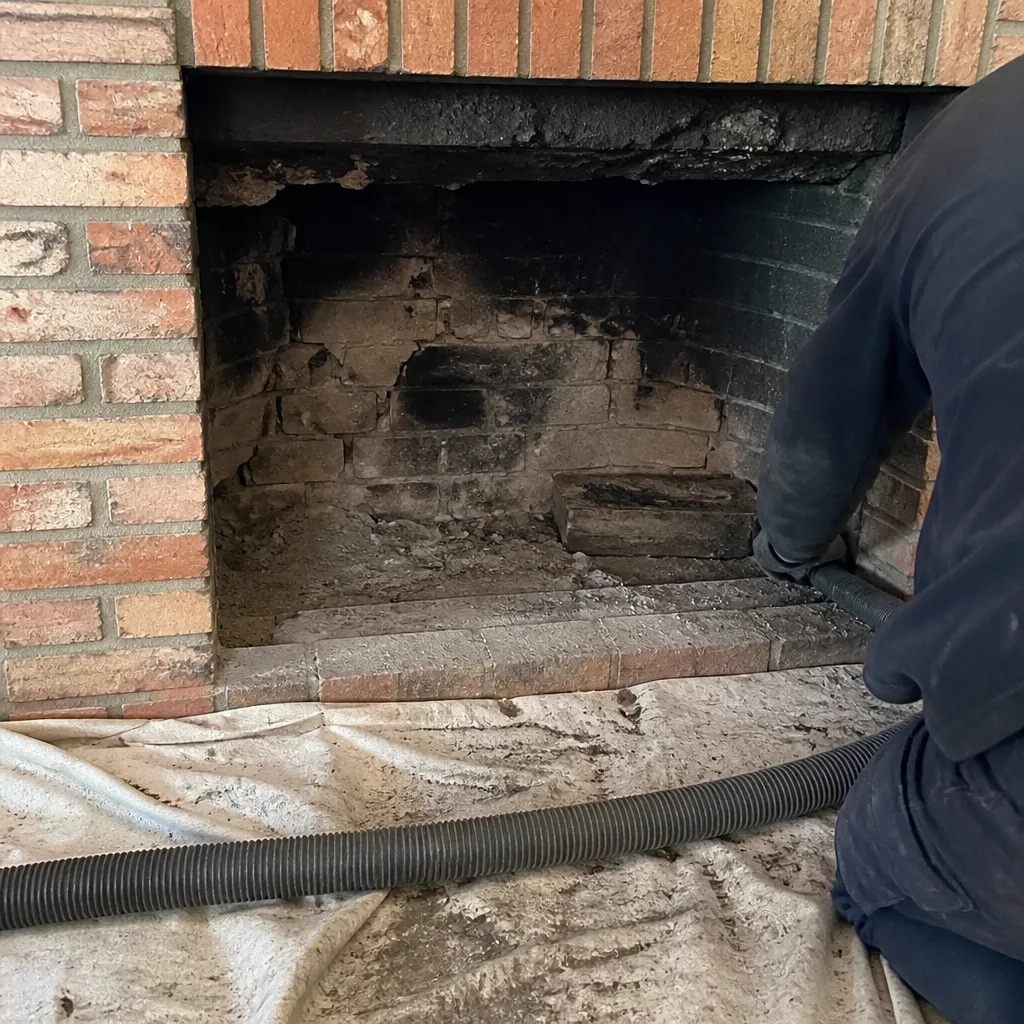 Before
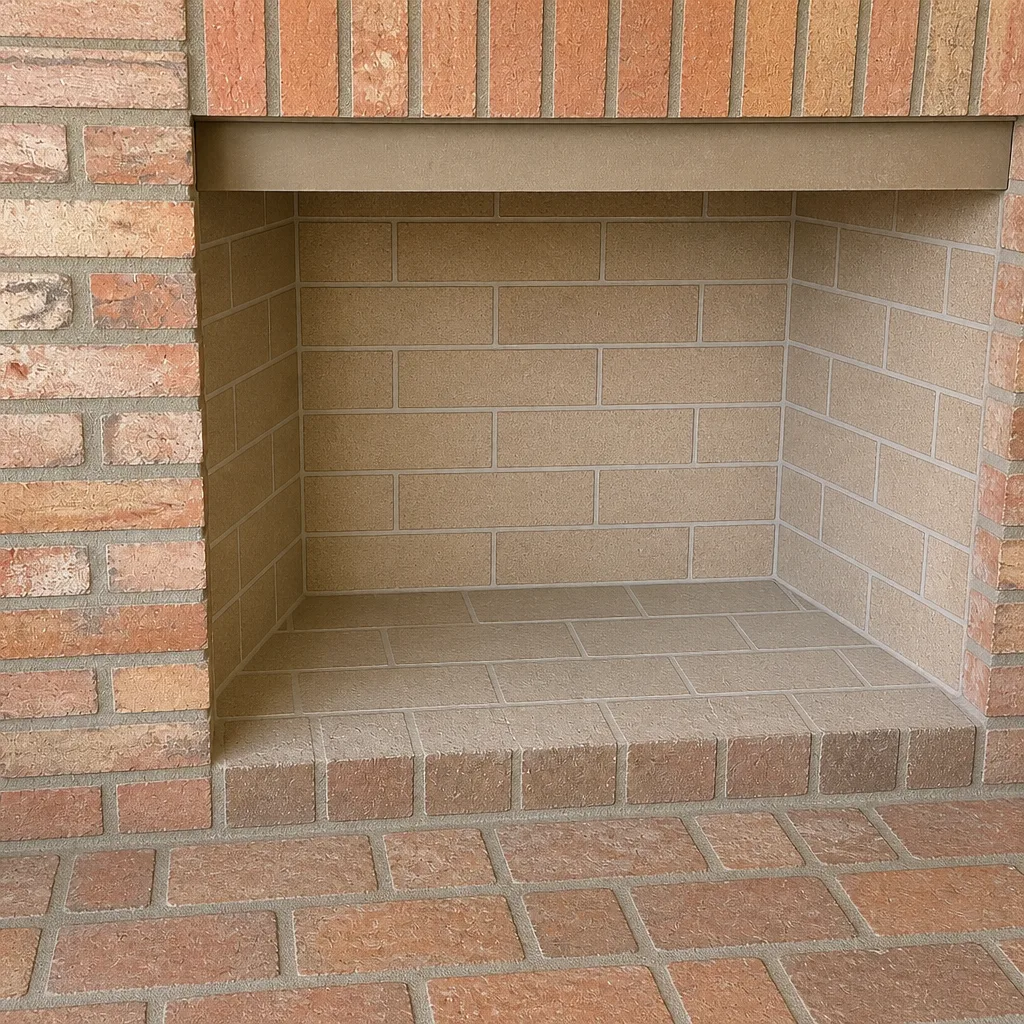 After
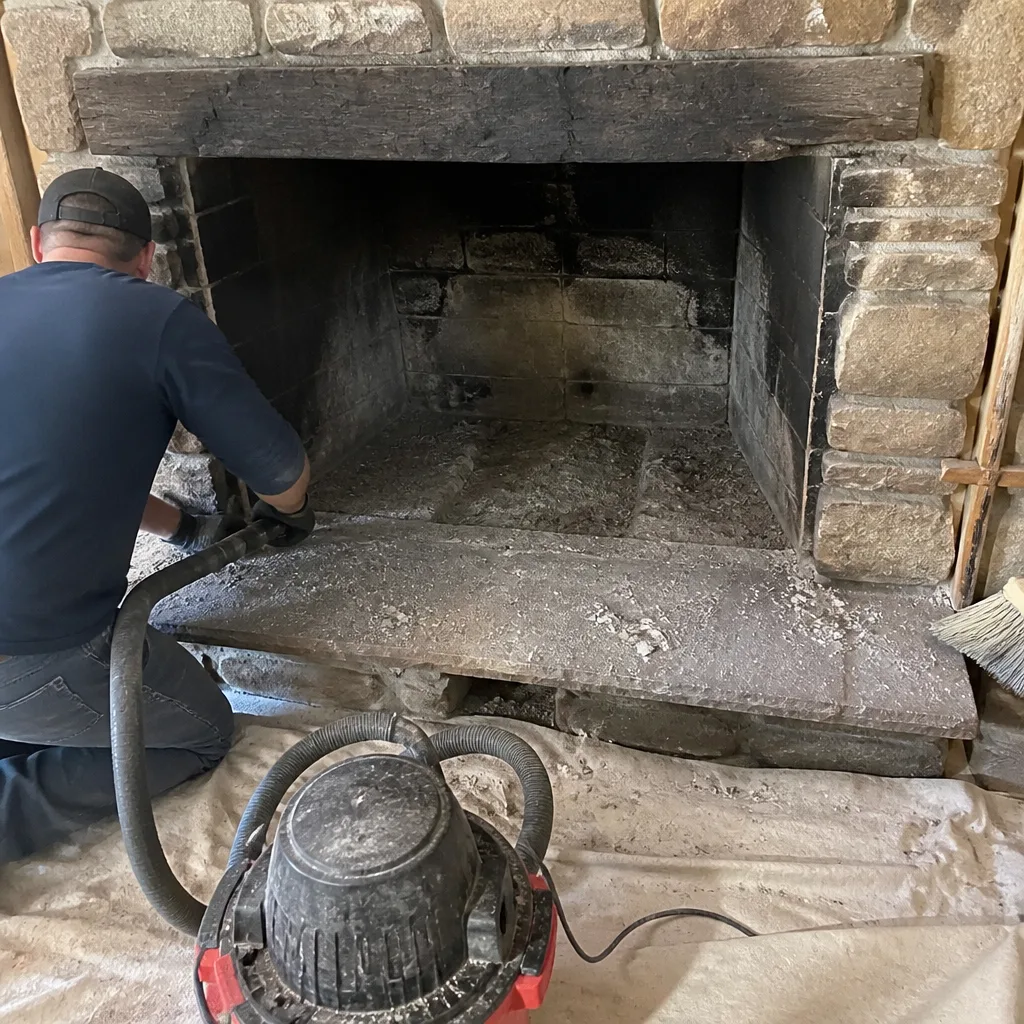 Before
 After
 Before
 After
When to Call a Professional
Call a professional when any “stop using” sign appears – a lingering chemical or tar smell, smoke that pushes into the room and won’t clear, popping or rumbling during a fire, cracked firebox tiles, or any positive carbon monoxide reading near the fireplace wall. Call when you spot exterior signs you can’t verify from the ground: a crown crack, spalling brick, or a missing cap. Call before the first cold snap if you haven’t had a sweep this season, especially if you burn more than a cord of wood or use the fireplace as a heat source. And call before closing on a home with a chimney, because a pre-purchase inspection is the cheapest point to find a liner problem. Chimney Sweep Saratoga Springs offers free estimates in Saratoga Springs – call (833) 468-6033. We answer 24/7, with fast dispatch from 7am to 7pm, Sunday through Friday.
Frequently Asked Questions
One sweep per burning season is the baseline for most Saratoga Springs homes, and it should happen before the season starts if you burn heavily. Homes that burn more than a cord of wood per year, run a fireplace insert, or burn a lot of softwood or unseasoned wood should schedule at the start of the season rather than the end. Call (833) 468-6033 for an exact quote – estimates are free.
Yes – a persistent campfire smell when the fireplace is cold is almost always a creosote problem, not a draft or damper issue. The smell comes from creosote off-gassing at room temperature, which means enough buildup exists on the flue walls to release volatile compounds. The fix is a sweep and full inspection. Call (833) 468-6033 for an exact quote – estimates are free.
Popping or rumbling inside the flue usually means combustion is happening inside the chimney itself, which is a chimney fire regardless of what you can see from the firebox. Close the damper or firebox door to starve it of oxygen, get everyone out of the house, and call the fire department. After that, the chimney needs a post-fire inspection before you burn again. Call (833) 468-6033 for an exact quote on that inspection – estimates are free.
No – occasional burning still builds creosote, and the risk is not proportional to how often you burn. It’s proportional to what’s on the flue walls. A chimney that’s burned a dozen fires with poor wood can hold as much creosote as one that’s burned forty with seasoned wood. One inspection per season is the safe baseline. Call (833) 468-6033 for an exact quote – estimates are free.
Not always. Some flue cracks and deteriorated liner surfaces can be resurfaced rather than replaced – a HeatShield application is one example, and it’s an option worth asking about before committing to a full reline. Torn or disconnected liner sections, or a flue with structural gaps, generally need a liner replacement. An inspection report tells you which category you’re in. Call (833) 468-6033 for an exact quote on the inspection – estimates are free.
Ask for the inspection report in writing and for photos of what was found inside the flue – you should be able to verify every recommendation yourself. A sweep should tell you what your flue needs and nothing more. When a repair is recommended, ask what material is going in and from which brand line. Trade-grade products from DuraFlex, HeatShield, Gelco, Olympia Chimney, Famco, and Copperfield are what a trained sweep uses. Call (833) 468-6033 for an exact quote – estimates are free.
What actually happens if I skip a needed cleaning?
Creosote continues to build on the flue walls until it reaches a stage where a normal fire can ignite it. The risk progression goes from smoke and smell, to draft problems, to a chimney fire inside the flue – often one that doesn’t produce visible flames but does damage the liner. Carbon monoxide is the other risk, since a restricted flue stops venting combustion gases properly. A chimney sweep and inspection catches both problems before either one turns into a repair. Call (833) 468-6033 for an exact quote – estimates are free.
The Bottom Line
The chimney warning signs that actually matter usually aren’t the ones homeowners already know to look for. Soot on the firebox and smoke from the chimney are late signals. The early signals are a campfire smell in a cold room, a fire that’s slow to start, a hiss or rumble from the flue, rust on the cap, and spalling brick on the exterior. Treating any of these as the start of a diagnostic conversation – not a nuisance to live with – is the difference between a routine sweep and a structural repair. A full-system inspection in Saratoga Springs catches those signals before they compound. That means one sweep, one report, and one crew responsible for whatever turns up – cap, crown, liner, firebox, all of it.
If you’ve spotted one of the signs in this guide, or if it’s been a full season since the last sweep, the safest next step is a call. Chimney Sweep Saratoga Springs offers free estimates in Saratoga Springs – call (833) 468-6033. We answer 24/7, with fast dispatch from 7am to 7pm, Sunday through Friday. Our technicians have up to 15 years of experience, and every inspection comes back with a written report you can read yourself before deciding anything.
Written by the team at Chimney Sweep Saratoga Springs.