
Last updated November 24, 2026
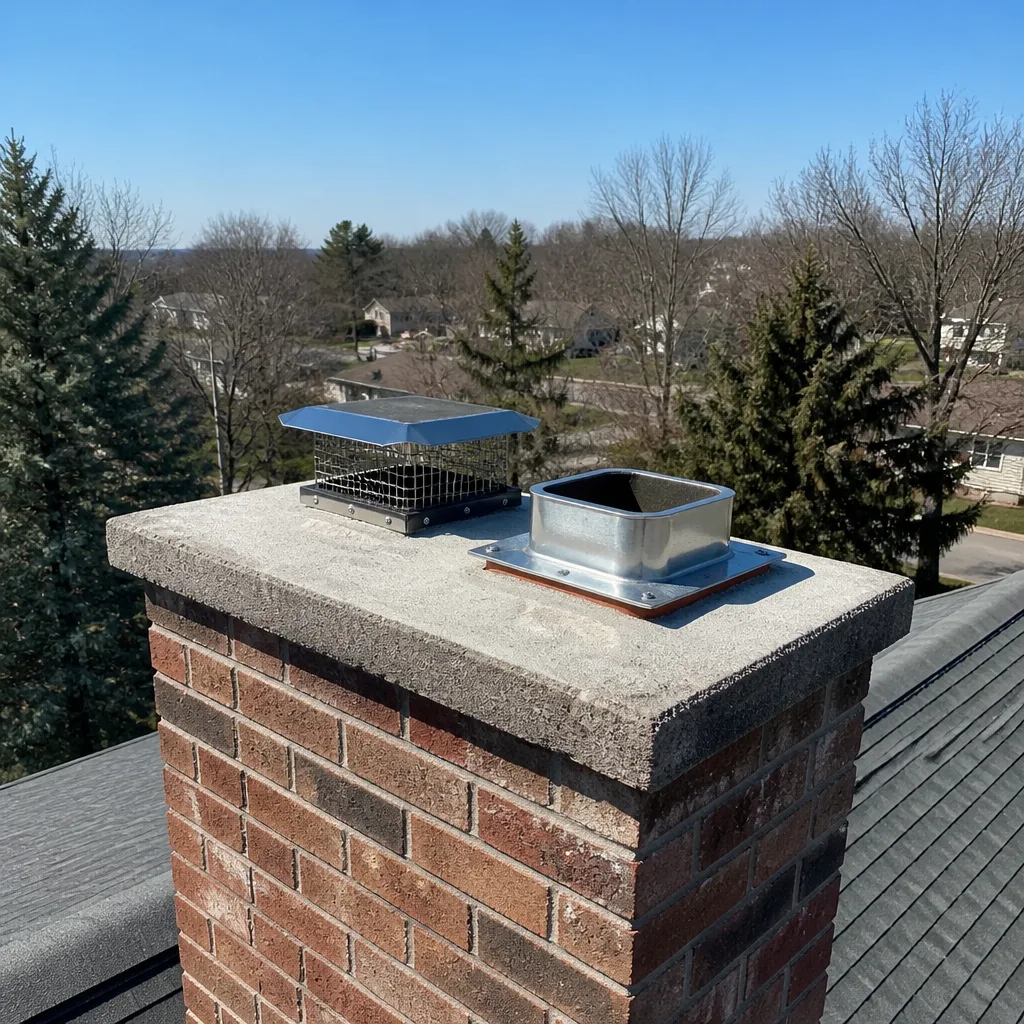 Sweep & inspection
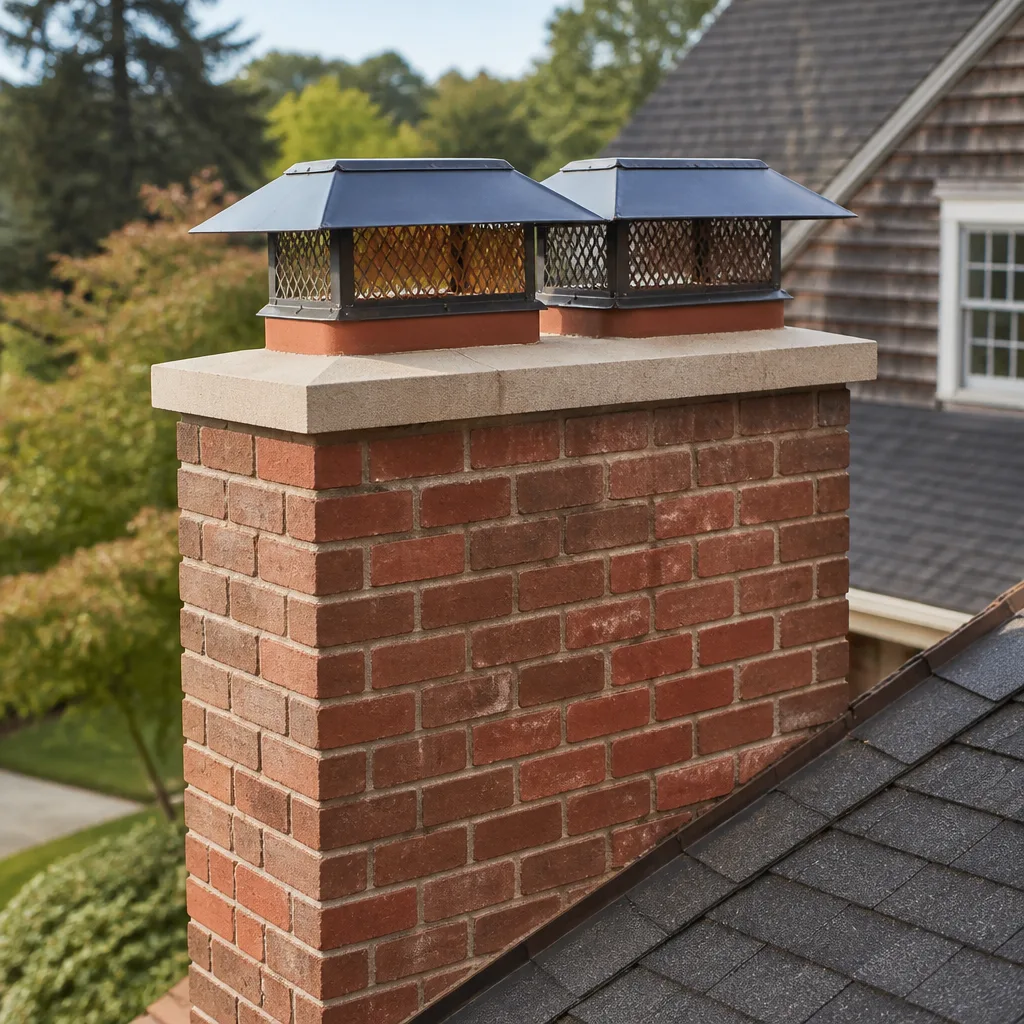 Caps & crowns
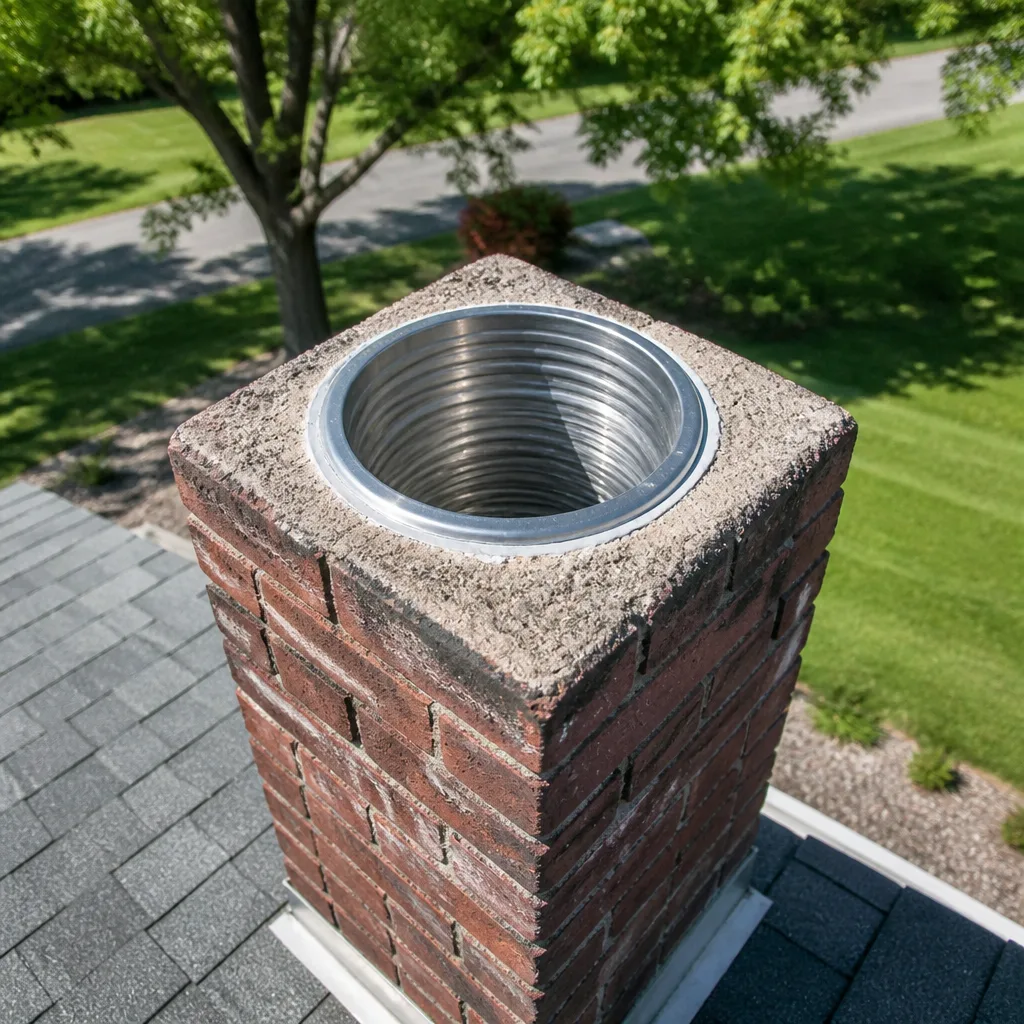 Flue relining
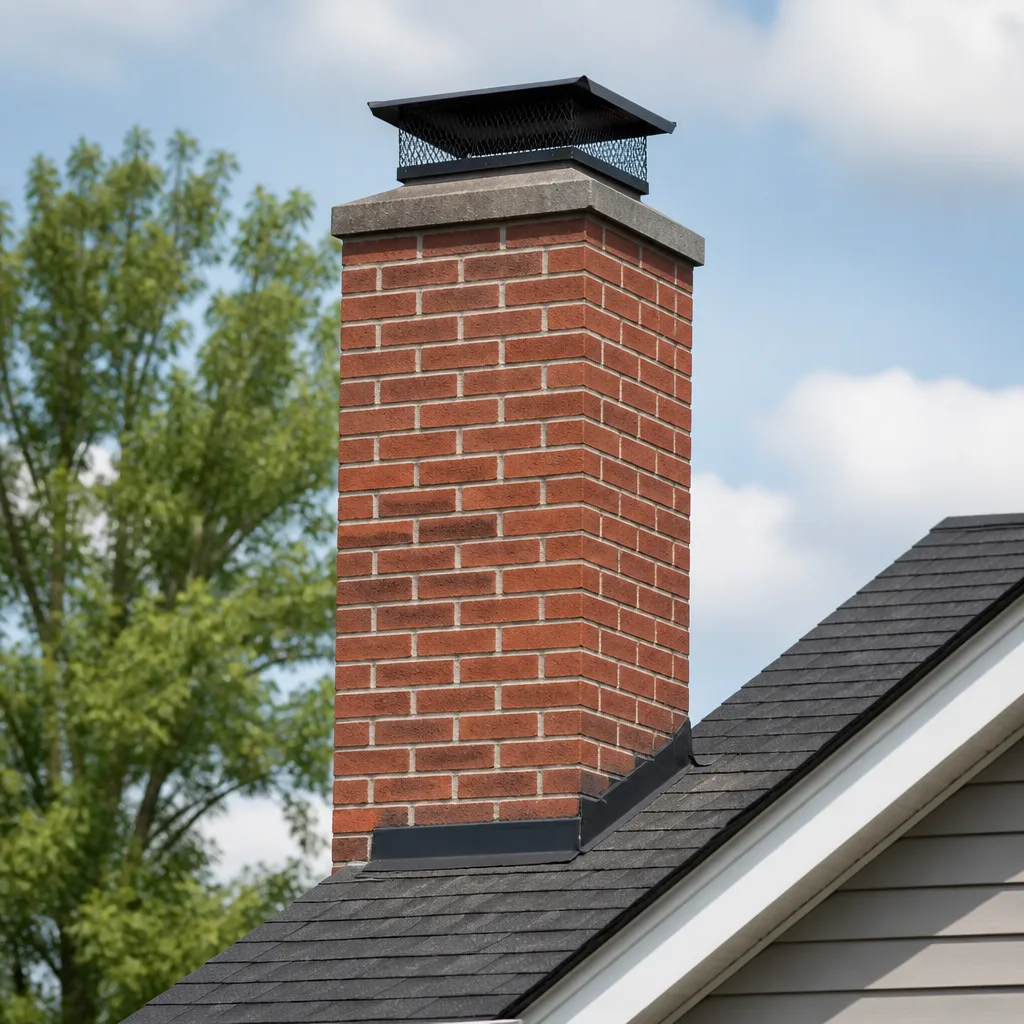 Masonry repair
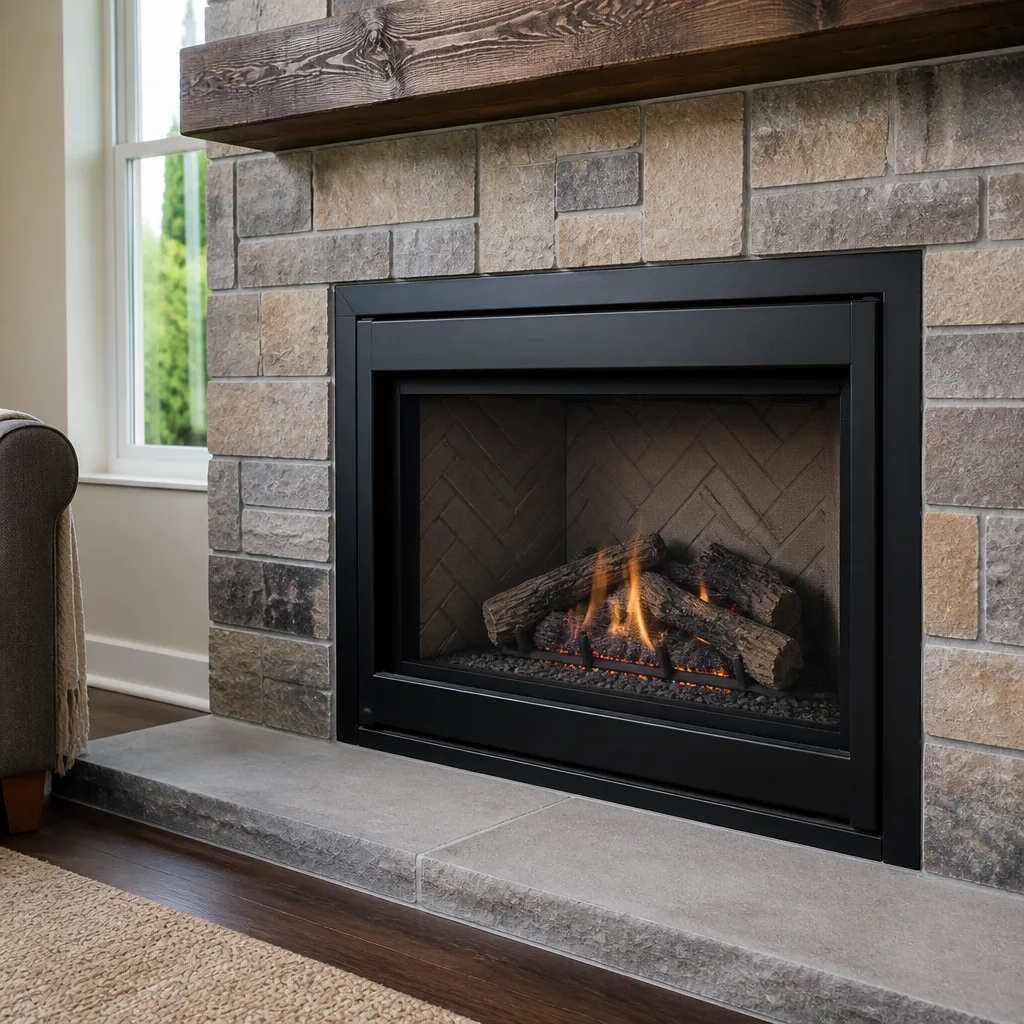 Gas fireplace service
Level 1 sweep and inspection to the NFPA 211 annual standard - flue, crown, cap, and flashing checked and photographed
Chimney sweep logs do not sweep chimneys. They loosen some creosote - which then falls where a brush and vacuum still have to collect it.
Choosing the Right Chimney Cleaning Brand: A Buyer’s Guide for Saratoga Springs
Two chimney caps can look identical from the driveway and behave nothing alike. One is stamped from thin galvanized steel with a friction-fit mesh; the other uses a heavier gauge, a welded frame, and fasteners rated for wind uplift. In Saratoga Springs, where spring gusts come off the lake and hard freezes split cheap metal seams within a couple of winters, that difference decides whether a cap protects your flue for years or rattles loose by the second season. Most homeowners never think to ask what materials go into their chimney, only who shows up to clean it. This guide flips that question around. You’ll learn how to read a quote for material grade, which product names signal industry-grade supply, and how to judge a contractor’s material philosophy before anyone walks onto your roof.
Quick Answer
The right chimney cleaning company in Saratoga Springs is the one whose materials and application knowledge match the job, not the one with the biggest franchise name. Look for a specialist who names the products they install (HeatShield, DuraFlex, Gelco, Copperfield), explains how each is applied, and can show you why a repair is needed with camera evidence you can review. Material grade and installer training outlast labor by years, so judge what goes into your chimney, not just who sweeps it.
Styles & brands we work with
- Sweep & inspection
- Caps & crowns
- Flue relining
- Masonry repair
- Gas fireplace service
Table of Contents
- Why “Brand” Means Materials, Not Logos
- The Material Standards That Separate Professional-Grade From Big-Box
- How to Ask a Contractor What Materials They Use
- How to Verify Those Answers Before You Book
- Why Application Knowledge Beats the Brand Name
- Warranty Implications of Material Grade
- Evaluating a Contractor’s Material Philosophy Before They Visit
- What Saratoga Springs Conditions Do to Chimney Materials
Why “Brand” Means Materials, Not Logos
When homeowners hear “chimney brand,” they usually think of a company name on a truck. That’s the wrong lens. The brand decision that actually affects your chimney is the material brand sitting inside the flue and on the crown: the liner system, the resurfacing compound, the cap alloy, the crown mix. Those are the products that will still be there in ten years, doing the work or failing at it. The company name on the invoice is far less important than the name on the box.
We work from cap to firebox, and the reason we name our material suppliers openly is that supply chain is where a lot of one-truck operations fall short. They buy what’s on the shelf at the hardware store because ordering a HeatShield kit or a DuraFlex liner system takes an account, training, and a shipping lead time. Industry-grade materials aren’t secret. They’re just not stocked at retail.
In Saratoga Springs, that gap shows up fast. The local climate pushes materials harder than a mild climate would, so a retail-grade cap or a thin crown mix that might survive elsewhere gets stressed here sooner. Choosing a chimney company in Saratoga Springs is really a decision about which material brands they trust and how well they know the application. A homeowner on the west side of town and one near the lake both benefit from the same answer: ask what goes in, not just who shows up.
This is also why we don’t lead with a national franchise pitch. A franchise badge tells you a business paid for a name. It doesn’t tell you whether the cap on your flue is 26-gauge or 30-gauge steel, or whether the liner was sized to your flue or grabbed off a shelf. Those details decide how your chimney holds up. The rest is marketing.
The Material Standards That Separate Professional-Grade From Big-Box
Professional-grade chimney products differ from retail alternatives in ways you can’t see from the ground but can learn to ask about. The gap usually comes down to steel gauge, fastener quality, mesh size, and whether the product was engineered for a specific chimney application or adapted from general hardware.
Chimney caps
A cap protects the top of your flue from rain, birds, and downdrafts. The differences that matter:
- Steel gauge and finish: Trade-grade caps use heavier stainless or powder-coated steel. Retail caps often use thin galvanized sheet that pits and warps under repeated freeze-thaw.
- Mesh size: A proper spark-arresting mesh is sized to stop embers while still moving flue gas. Oversized or undersized mesh either clogs quickly or lets debris through.
- Fastener system: Trade caps use stainless or coated screws and often a positive-locking frame. Retail caps rely on brackets that loosen in wind.
- Base fit: A cap should seat to the flue tile, not hover over the crown. That fit is engineered, not eyeballed.
Brands like Gelco and Copperfield make caps built to these standards, and they show up on properly installed systems across Saratoga Springs.
Flue liners
Liner material is the other big dividing line. A flexible stainless liner system like DuraFlex is engineered to handle heat, condensation, and the bends of an offset or irregular flue. Retail-grade flexible duct is not. It’s a different product with a different purpose, and it will fail a chimney application. On older masonry flues that don’t need a full reline, a resurfacing product like HeatShield renews the existing liner from the inside, which is a technique most general handymen have never been trained to apply.
Crowns and sealants
A masonry crown sheds water away from the flue. The mix matters. Industry-grade crown materials resist cracking across freeze-thaw cycles; a thin mortar skim will crack within a season or two here. The same principle applies to high-temperature sealants and flashing products, which need a service rating, not just a retail label.
How to Ask a Contractor What Materials They Use
The fastest way to separate a chimney specialist from a generalist is to ask three specific questions and listen for specific answers. Vague answers are a signal. Product names and a reason for each choice are what you want.
- “What cap brand and steel gauge do you install?” A specialist will name the brand and explain why they chose it for your flue. A generalist will say something like “whatever’s in stock.”
- “If my flue needs relining, what liner system do you use and how do you size it?” You want to hear a specific system name and an explanation of measuring, insulation, and termination. If the answer is “we use a stainless liner,” ask which one and why.
- “Can my existing liner be resurfaced instead of replaced, and do you do that work?” If they can apply HeatShield, they’ll say so and explain when it’s appropriate. If they can’t, they’ll usually push toward replacement without explaining why resurfacing isn’t an option.
- “What does your inspection cover, and do I get photos?” A material-focused contractor inspects the whole system: firebox, liner, crown, cap, flashing, and exterior masonry. You should see camera photos of anything they recommend fixing.
- “Who performs the work, and are they trained on these products?” Application knowledge is the point. A cap is only as good as the install, and a liner only as good as its sizing.
Ask these before you book, not during the visit. A company that knows its materials will answer quickly and specifically. A company that doesn’t will answer in the abstract. For simple work, you can also just ask about a chimney sweep and see whether the answer includes inspection and documentation or just a brush and a promise.
We install DuraFlex liner systems and apply HeatShield because both are engineered products with published application standards. Naming them isn’t a sales pitch. It’s an invitation for you to look them up and ask us why we use them in Saratoga Springs.
How to Verify Those Answers Before You Book
You can check almost everything a contractor tells you about materials without leaving your kitchen table. Product names, application methods, and installation standards are published by the manufacturers, and a few minutes of looking will tell you whether the answer you got was accurate or improvised.
A simple verification checklist
- Look up the product name. Search HeatShield, DuraFlex, Gelco, or Copperfield directly. You’ll see what the product is designed for and, often, what installer requirements exist.
- Check the manufacturer’s installer language. Many manufacturers publish guidance on who is qualified to apply their products, and whether a certification or training applies. Ask the contractor whether they meet it.
- Read the quote for material callouts. A material-aware quote names the product being installed, not just the labor. If the quote says “new cap installed,” ask for the brand and gauge before signing.
- Ask for the inspection report before approving repair work. Photos and a camera run should support anything recommended. If the contractor can’t show you the deficiency, ask them to slow down.
- Ask whether the material carries a manufacturer warranty and what voids it. Not every product carries one, and the terms matter. If they don’t know, that’s an answer too.
Verification cuts both ways. A homeowner near the Ranches who can name the product on the quote is harder to oversell and easier to serve honestly. We’d rather you check than take our word for it, because the check is what makes a firm quote credible. If a recommendation holds up, you’ll see why on your own screen.
One caveat worth naming. A cap or crown is often the last step on a repair, and it’s the step that protects everything beneath it. Don’t let that final step get skipped to save a few dollars. Ask for the brand and the install method, then decide.
Why Application Knowledge Beats the Brand Name
A DurFlex liner ordered by the wrong installer still fails. A HeatShield kit applied to the wrong flue condition makes a worse problem. This is the part most buying guides miss: the same industry-grade brand can be applied well or badly, and the outcome tracks the person doing the work far more than the label on the box.
Application knowledge shows up in a few places:
- Sizing. A flexible liner has to be sized to the flue and the appliance. Too small and the appliance drafts poorly; too large and it doesn’t fit the offset.
- Prep. HeatShield resurfacing requires the existing flue to be cleaned and evaluated first. Applied to a flue that should have been relined, it’s the wrong call.
- Insulation and termination. Correct liner installation includes insulation, a proper top plate, and a cap that fits the new termination.
- Crown and flashing detail. Water intrusion at the top of a chimney is why liner jobs fail early. The cap and crown work has to integrate with the liner job, not sit on top of it as an afterthought.
This is why one inspection, one crew, and one point of accountability matters for a chimney in Saratoga Springs. If the person sweeping your flue is the same trained specialist who sizes the liner and sets the cap, you’re not handing a half-finished job to someone who’s never seen it. Our technicians have up to 15 years of experience with these systems, and that’s the credential that actually correlates with a good install.
Franchise names don’t fix sizing errors. A skilled specialist using a lesser-known but correctly specified product will usually outperform a generalist using a nationally advertised one. That’s the case for choosing a specialist, and it’s a big part of why we focus only on chimneys.
Warranty Implications of Material Grade
Material warranty terms vary by manufacturer, and we won’t claim a specific duration or term for any product here. What we can tell you is the general pattern: manufacturers often condition their coverage on installation by a trained or qualified installer, and may reduce or void coverage if the product was installed outside the manufacturer’s application standards. That’s a distinction worth understanding before you choose a company.
What to ask about warranty before you book
- Which product carries which warranty? Ask the contractor to point you to the manufacturer’s published terms for the specific product going in.
- Does the installation method meet the manufacturer’s standard? If the contractor can’t explain the standard, they may not be meeting it.
- Who handles a claim? Some manufacturers work through the installer; others through a distributor. Ask how a problem would be handled.
- What is not covered? Water intrusion from a bad cap, chimney fire damage, and appliance problems are typically outside a liner or resurfacing warranty.
In Saratoga Springs, the warranty question matters more than it would in a mild climate. Freeze-thaw cycles stress cap fasteners and crown mixes, so a product rated for the load and installed to the standard is what keeps the coverage intact. A cheap cap that cracks in the second winter is exactly the scenario a manufacturer can decline to cover.
We’d rather tell you a product has no warranty than imply one it doesn’t. If a specific product on your quote carries a manufacturer’s term, ask us to point you to it in writing. If it doesn’t, you should hear that plainly before you approve the work.
Evaluating a Contractor’s Material Philosophy Before They Visit
You can read a lot about a chimney company before anyone knocks on your door. A material-focused contractor tends to show their material choices in public, because the products are part of how they think about the job.
Read the website for material language
Look for pages that name product lines or systems and explain why they use them. If the site only says “quality materials,” that’s a marketing word, not a material. A site that mentions HeatShield, DuraFlex, Gelco, or Copperfield and explains the application isn’t showing off. It’s showing you what goes into the job.
Check for scope clarity
A chimney specialist will describe the full system in its service pages: sweep, inspection, fireplace repair, chimney repair, cap and crown. If the site treats a chimney sweep as the whole service, that tells you something about what happens when the sweep finds a cracked crown.
Look at how quotes are structured
Ask for a sample quote or description of what a quote includes. A material-focused quote names the brand and scope of each line. A generic quote says “seal crown” or “install cap.” The difference isn’t just detail. It tells you whether the contractor is thinking about the product they’ll put on your roof or just the labor hours.
Ask about the inspection before the sweep
An inspection tells you exactly what your flue needs, nothing more. If a contractor can explain the difference between a Level 1 inspection and a camera-run flue assessment before they visit, they’re material-focused. If everything gets swept into “we’ll take a look when we’re up there,” keep looking. For first-time fireplace owners in Saratoga Springs, that distinction matters most: a proper starting inspection sets the baseline for the whole relationship.
You can start with the Chimney Sweep Saratoga Springs overview if you want to see how we describe scope and materials before booking anything.
What Saratoga Springs Conditions Do to Chimney Materials
Saratoga Springs sits where cold air moves off Utah Lake and meets the benchland to the west, and that combination pushes chimney materials hard. It’s not a coastal problem and it’s not hail. It’s freeze-thaw, wind, and dry heat, and each one stresses a different part of your system.
Freeze-thaw and the crown
Water gets into hairline cracks in a masonry crown during a thaw, then freezes overnight. The ice expands and widens the crack, and the cycle repeats. A thin retail-grade mortar skim starts failing within a few seasons. A properly mixed crown with a flexible component handles the movement without cracking through. This is why crown mix is one of the first questions we ask ourselves on a Saratoga Springs inspection. Most calls we get about water in the firebox trace back to a crown or cap issue, not the flue liner.
Wind and the cap
Wind gusts that funnel off the lake put real uplift on a chimney cap. A cap with a weak bracket or thin steel will lift, rattle, or bend its mesh. Once the mesh deforms, it stops doing its job. Trade-grade caps hold up because the frame and fasteners are engineered for wind loads. Ask what gauge and what fastener system the cap uses; that’s the whole story.
Dry heat and the liner
Summers in Saratoga Springs are dry, and an idle chimney in summer sees temperature swings at the top of the stack. A properly installed stainless liner handles that cycle; retail flexible duct develops cracks at the seams. This is a strong argument for a flexible stainless system from a known manufacturer over a substitute.
Winter burning here also brings long, cold stretches that put the liner through repeated heat-ups and cool-downs. A liner sized to the appliance and installed with insulation tolerates that rhythm. One sized by guesswork doesn’t. If you’re in the older parts of town with a masonry chimney that’s never been relined, an inspection is the right place to start.
Common Mistakes to Avoid
- Judging a chimney company by the logo on the truck. The materials inside the flue matter far more than the name on the door. A recognizable brand doesn’t guarantee a DurFlex-sized liner or a 30-gauge cap.
- Accepting a quote that names no products. If the quote says “new cap” but not the brand and gauge, you’re buying labor with an unknown part attached. Ask for the product and look it up before you sign.
- Letting a generalist scope a crown or cap. These are the details most often treated as an afterthought, and they’re the ones that fail fastest in Saratoga Springs freeze-thaw. A handyman can climb a ladder; that’s not the same as knowing a crown mix.
- Treating resurfacing as a shortcut. HeatShield is a real repair method when the flue condition calls for it, but it’s not a substitution for a reline on a failing flue. Ask whether the product choice was matched to the flue, not the price.
- Skipping the camera evidence. Any recommendation should come with photos or a camera run you can look at. If it doesn’t, ask before approving the work.
- Assuming a national franchise solves application risk. Sizing, prep, and crown integration are what fail. Ask who will actually do the work and what they’ve been trained to install.
- Delaying the repair because the price feels high. Material-grade repairs cost what they cost; the mistake is going cheap on the part that protects everything else. A $50 retail cap that fails within a season and lets water into a new liner is the more expensive choice over time.
See the difference
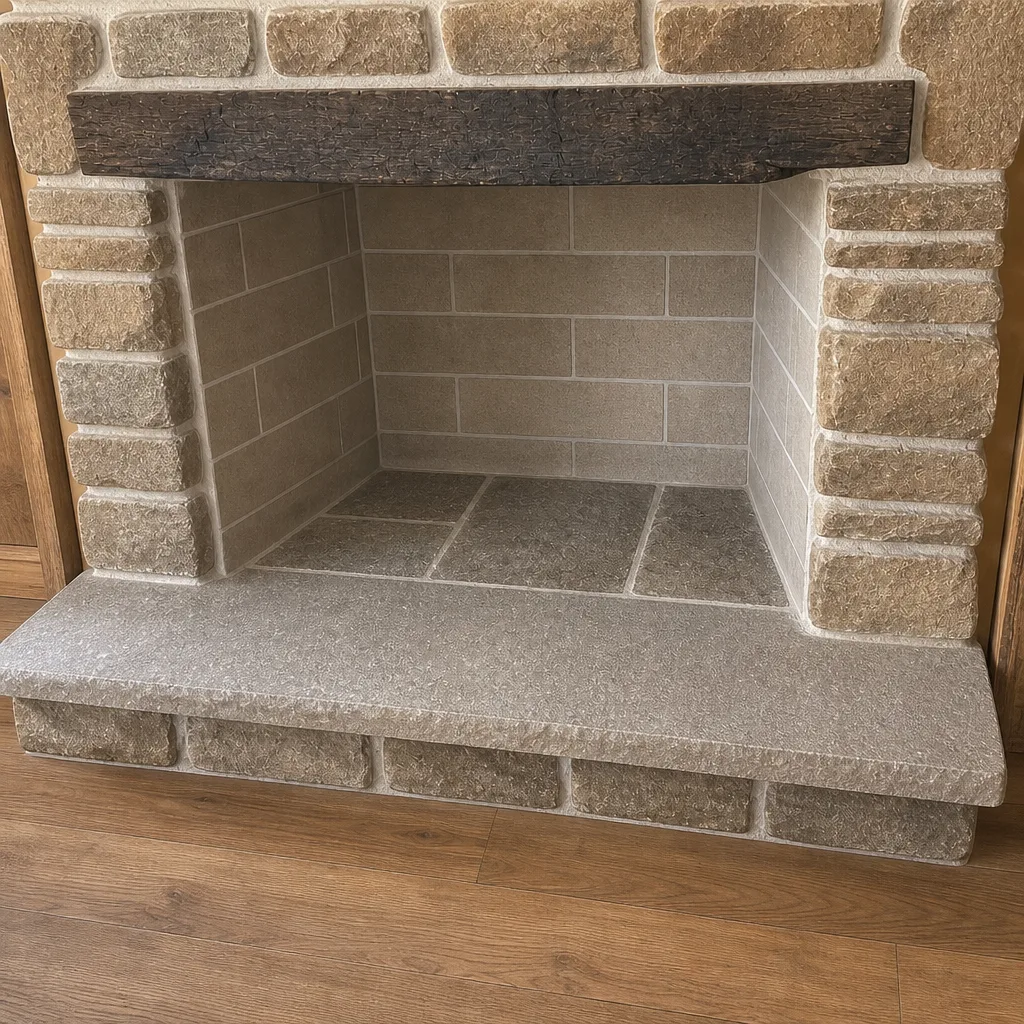
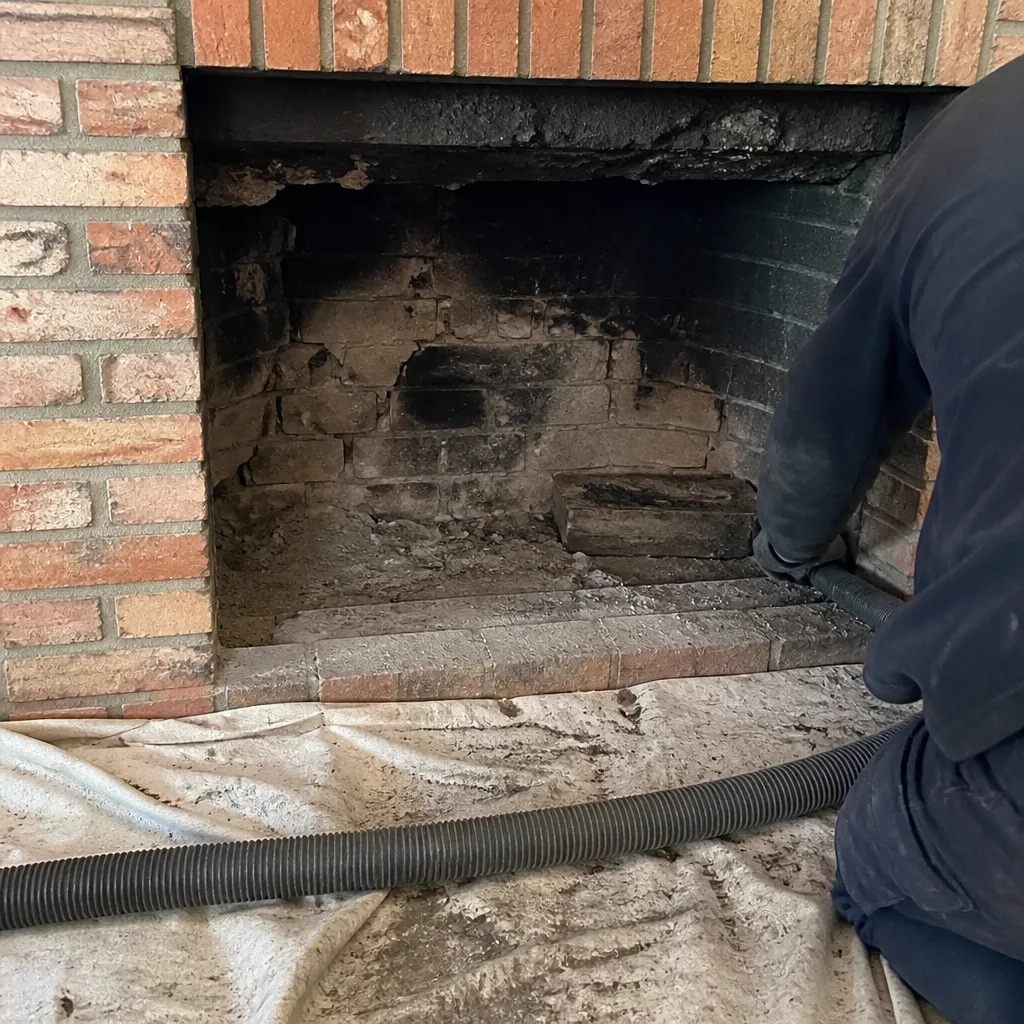 Before
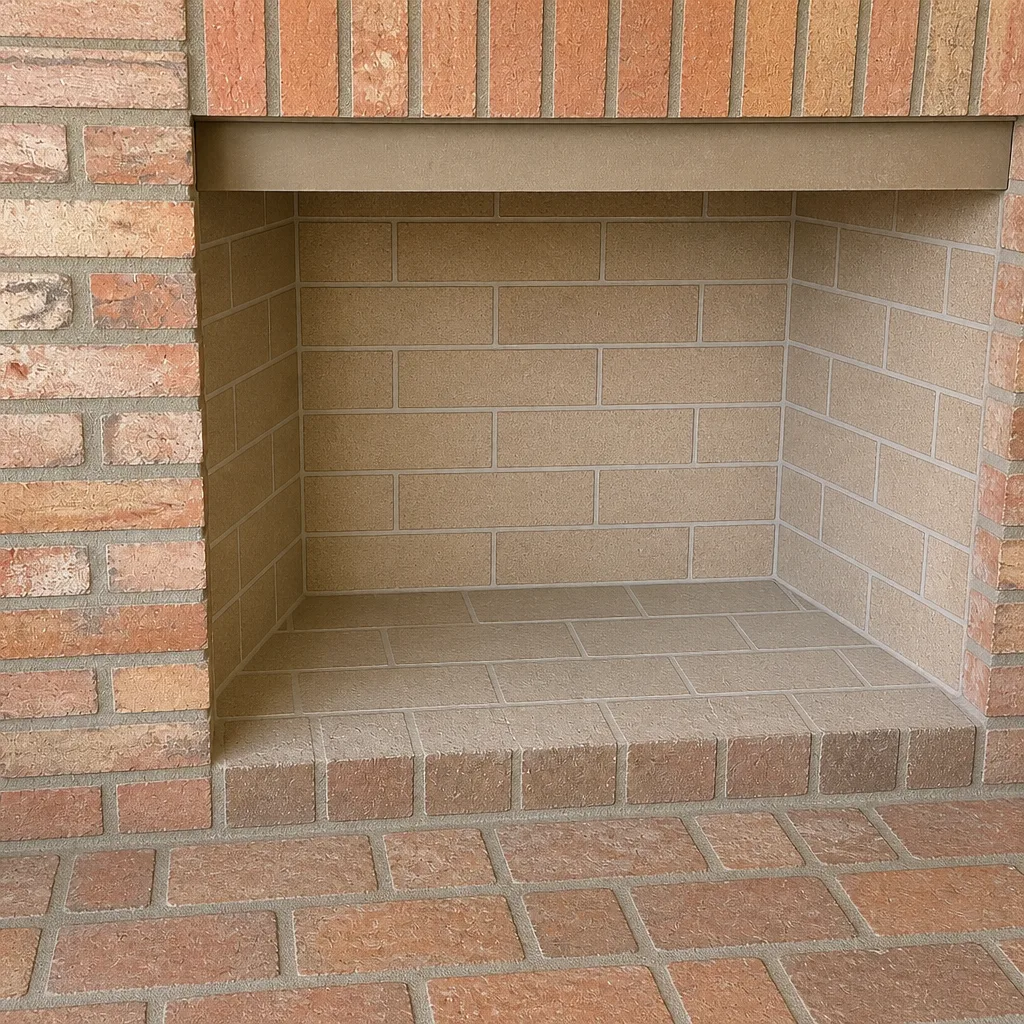 After
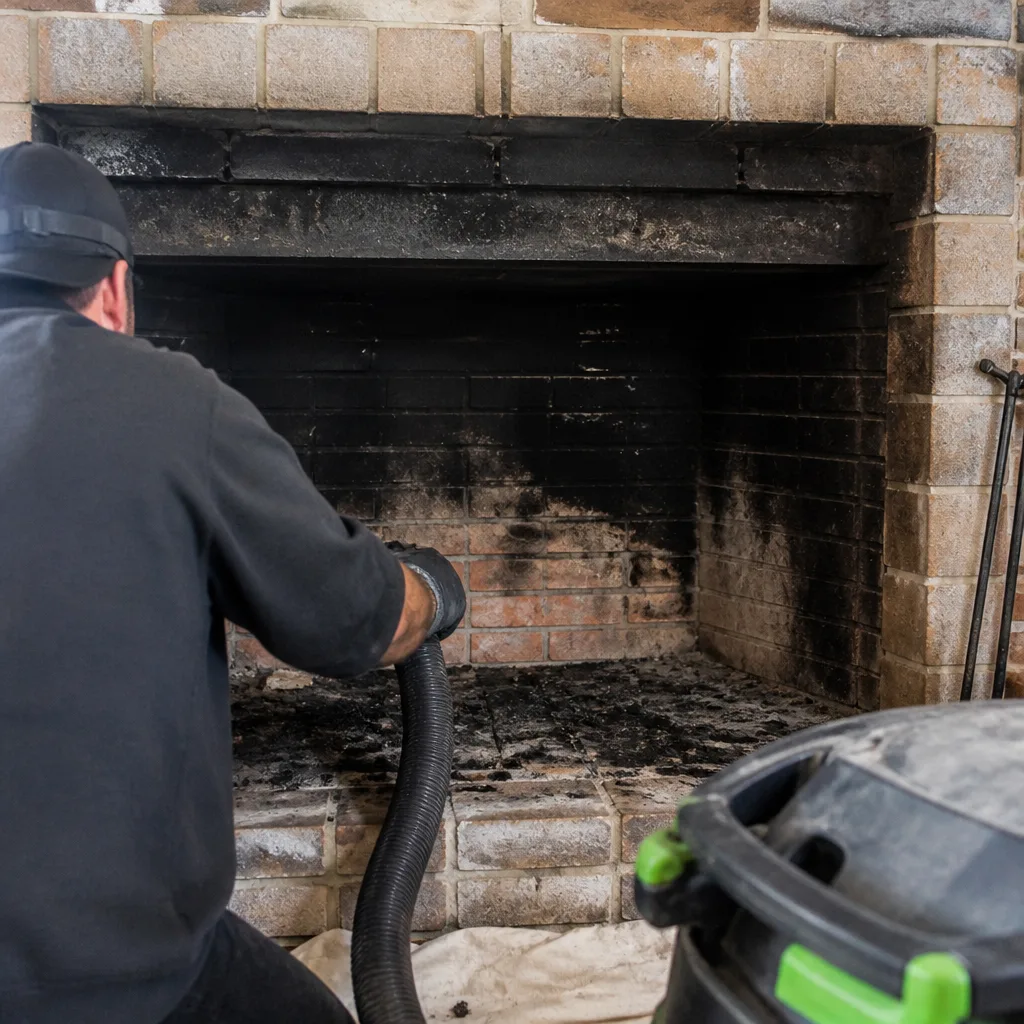
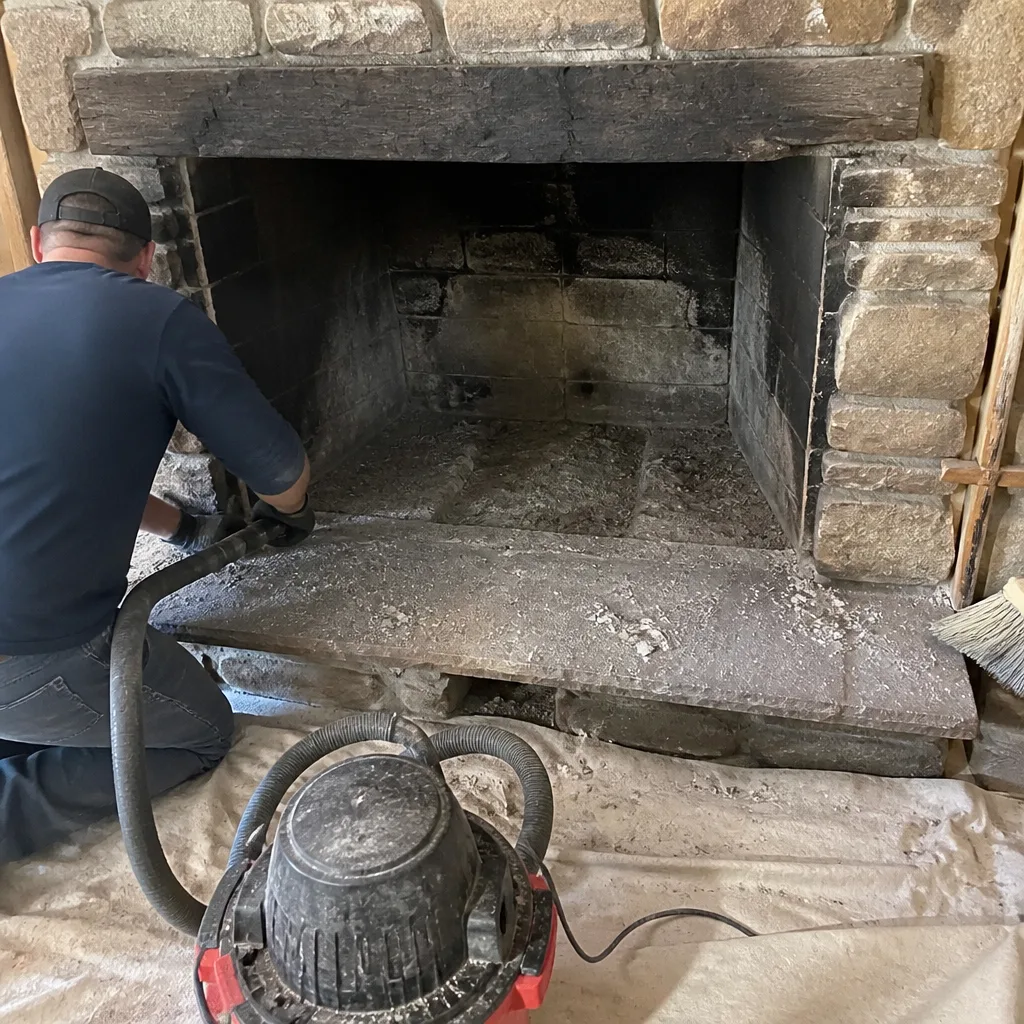 Before
 After
 Before
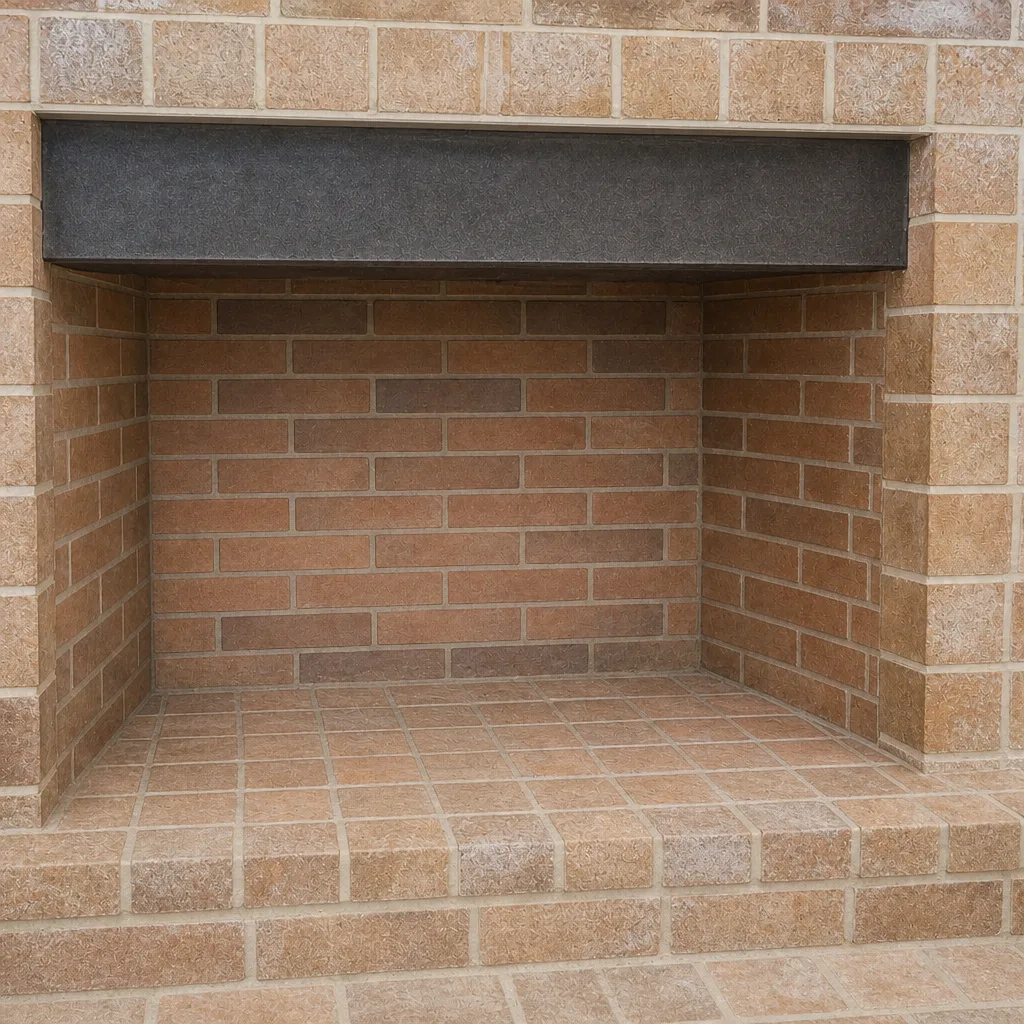 After
When to Call a Professional
Some material decisions are safe to handle on your own. Choosing a cap brand is not one of them, and neither is diagnosing a liner. Call a professional when:
- You see water in the firebox, rust on the damper, or staining on the ceiling near the chimney.
- You smell a smokey odor when the fireplace isn’t in use, especially on damp days.
- You’re buying or selling a home and need a chimney inspection as part of the transaction.
- Your fireplace drafts poorly, smokes into the room, or the flue has never been inspected.
- You’ve had the fireplace swept but never had the crown, cap, or exterior inspected.
- You’re ready to reline and want a proper product choice, not a guess.
Chimney Sweep Saratoga Springs offers free estimates in Saratoga Springs. Call (833) 468-6033. We answer 24/7. Fast dispatch from 7am to 7pm, Sunday through Friday.
Frequently Asked Questions
It means a company whose materials and application match the job: a specialist who names the products they install, inspects the whole system, and backs up recommendations with photos. The label on the truck matters less than whether they can size a DuraFlex liner correctly or set a trade-grade cap. Call (833) 468-6033 if you’d like a free estimate from us.
Look for brands that serve the professional chimney trade, such as HeatShield for flue resurfacing, DuraFlex for flexible liners, and Gelco or Copperfield for caps and crowns. You don’t need every one of them; you need the contractor to name the product going on your chimney and explain why it fits. If a quote names no product, ask for the brand and gauge before approving it.
Ask three things: the brand name, the application method, and whether the installation meets the manufacturer’s published standard. Then verify it by looking up the product yourself. A specialist will welcome the check. A company that answers in generalities is telling you they don’t track their materials closely.
Not always, and not never. HeatShield is a real repair method for existing clay liners that are cracked or spalling but structurally sound enough to resurface. A DuraFlex flexible stainless liner is the right call when the liner is failing or missing. A proper inspection tells you which your flue needs. Call (833) 468-6033 for a free estimate if you want the question answered on your chimney specifically.
Yes. Wind off the lake and repeated freeze-thaw put real stress on cap fasteners and crowns, so heavier-gauge steel with a positive-locking frame and proper fasteners holds up better than a retail cap. Ask what gauge and what fastener system your contractor installs. If you’re replacing a cap that’s warped or loose, call us for an estimate.
Some warranties are conditional on installation by a trained or qualified installer, and installation outside the manufacturer’s application standards can reduce or void coverage. We don’t publish warranty durations here because those terms vary by product and change over time. Ask the contractor to point you to the manufacturer’s published language for the specific product going in, and ask what voids it.
Once a year for an active fireplace is a good baseline, and an inspection is the right place to start if you’ve just moved in or the flue has never been checked. Inspection tells you what your chimney needs, not what a contractor wants to sell. Call (833) 468-6033 for a free estimate if you want the inspection done.
The Bottom Line
The brand that matters in chimney cleaning isn’t the name on the truck. It’s the material going into your flue: the liner system, the resurfacing compound, the cap, and the crown. In Saratoga Springs, where freeze-thaw and wind punish cheap parts quickly, that choice decides whether your repair lasts years or falls apart in the second season. Use this guide to ask the right questions, verify the answers, and pick a specialist who names their products and can show you why each repair is needed. An inspection tells you exactly what your flue needs, nothing more. One inspection, one crew, one point of accountability protects your chimney better than a flashy logo ever will.
When you’re ready to sort out the material questions on your own chimney, Chimney Sweep Saratoga Springs provides chimney sweeping, inspection, and repair from cap to firebox. Call (833) 468-6033 for a free estimate. We answer 24/7. Fast dispatch from 7am to 7pm, Sunday through Friday.
Written by the team at Chimney Sweep Saratoga Springs.