
Last updated November 24, 2026
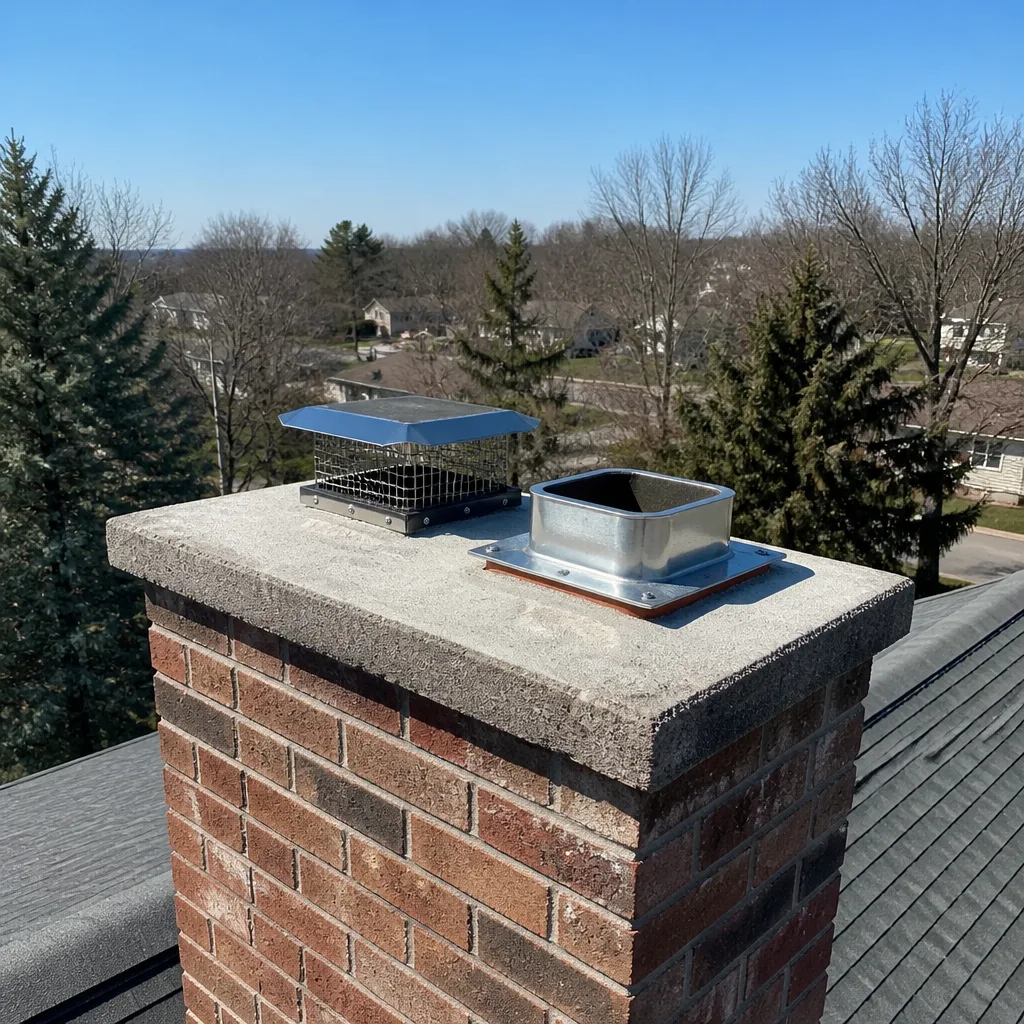 Sweep & inspection
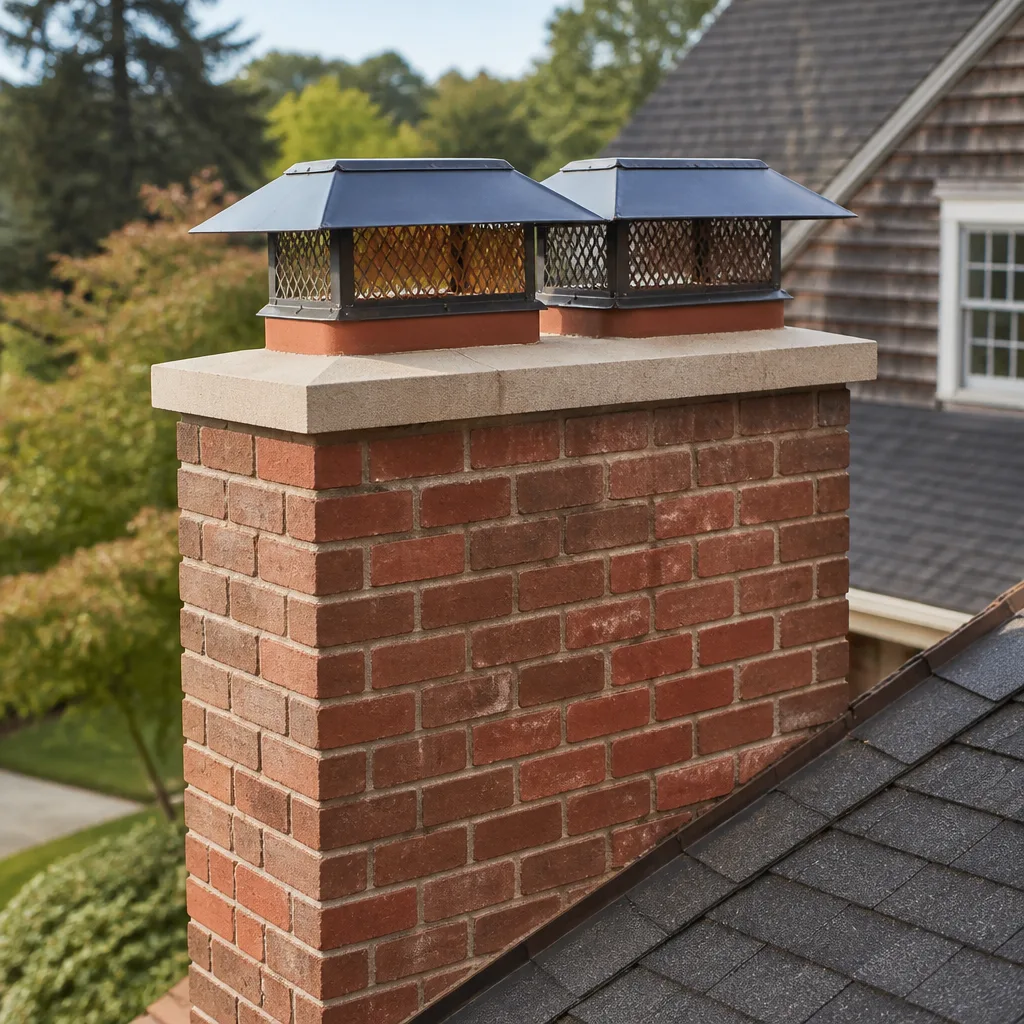 Caps & crowns
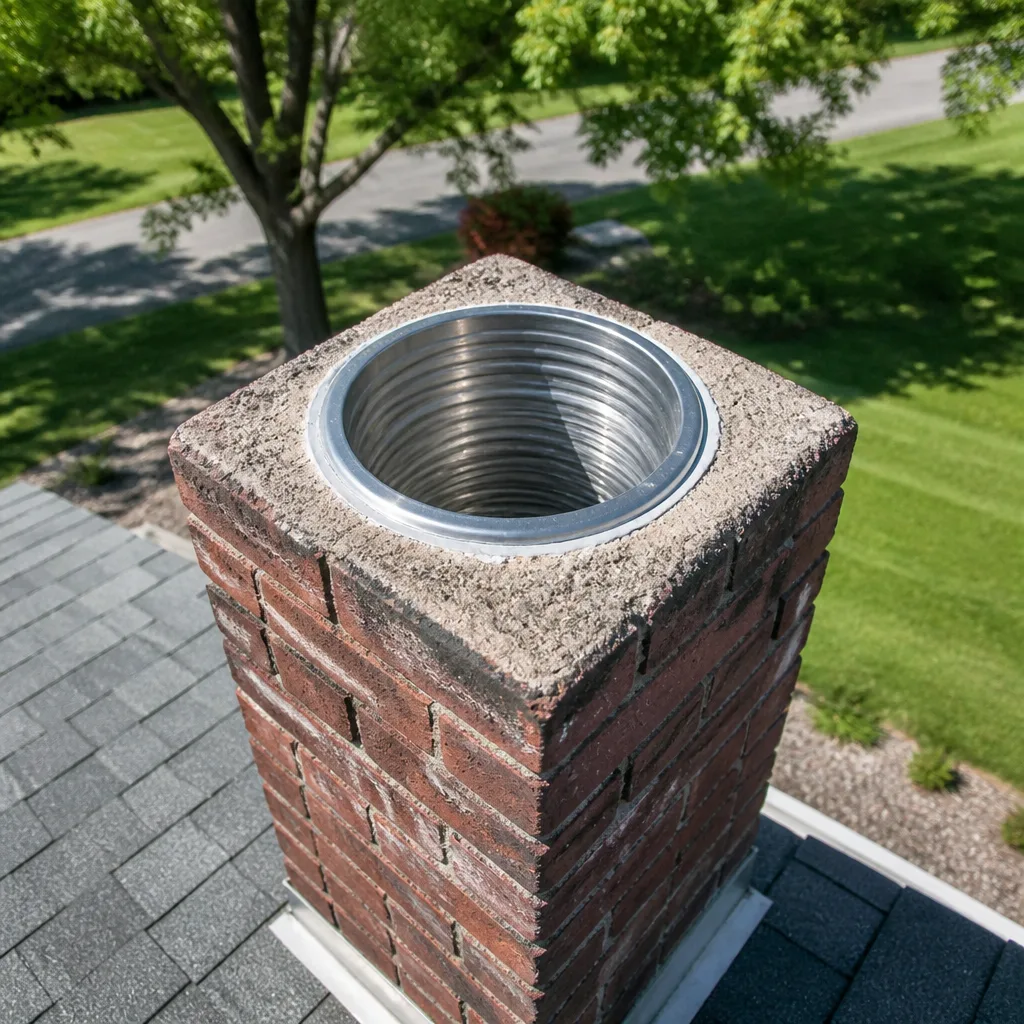 Flue relining
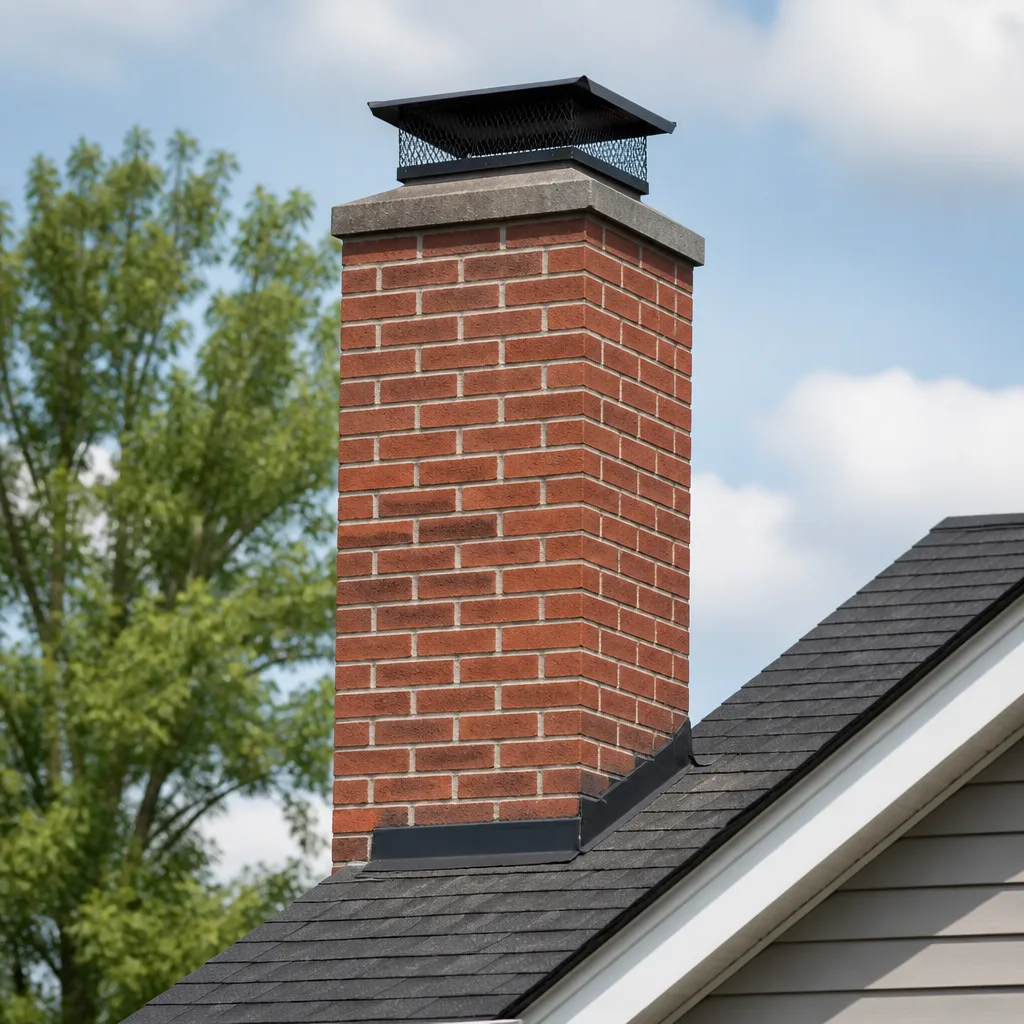 Masonry repair
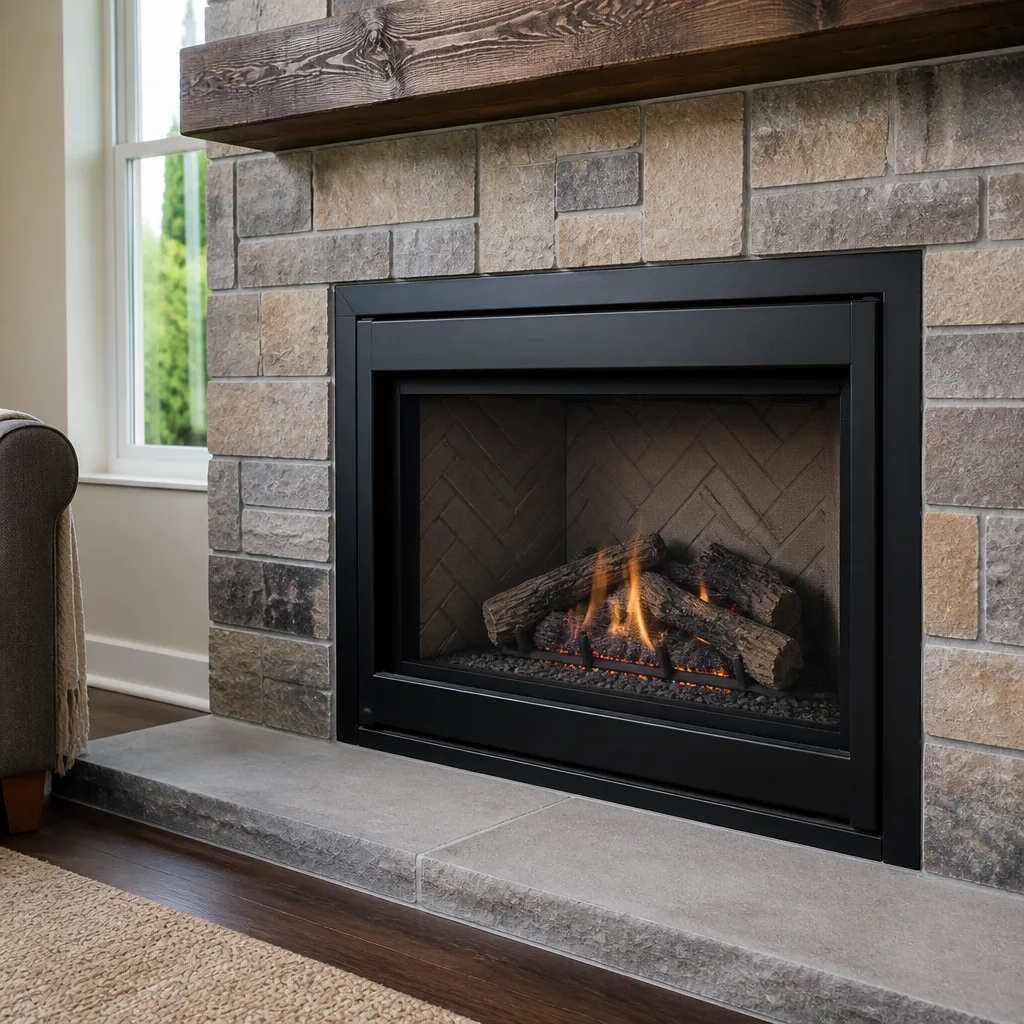 Gas fireplace service
Level 1 sweep and inspection to the NFPA 211 annual standard - flue, crown, cap, and flashing checked and photographed
Chimney sweep logs do not sweep chimneys. They loosen some creosote - which then falls where a brush and vacuum still have to collect it.
The Complete Guide to Chimney Cleaning in Saratoga Springs
Most chimney fires don’t start in a neglected chimney. They start in one that was cleaned but never properly inspected afterward, leaving stage-3 creosote deposits the brush simply compressed rather than removed. That’s the part of chimney care most guides skip. A sweep clears the flue, but only an inspection tells you whether the flue is actually safe to use. This guide walks through the full picture for Saratoga Springs homeowners: how our cold winters and sharp temperature swings accelerate creosote, what a proper cleaning actually involves, and how to confirm the job was done right before the technician packs up.
Quick Answer
Chimney cleaning in Saratoga Springs removes soot and creosote from the flue, and a proper job pairs the sweep with a Level 1 inspection so you know exactly what condition your chimney is in. Most wood-burning fireplaces need this once a year, and in a cold, high-elevation climate like ours, that annual cadence matters more than it does in milder parts of the country. A cleaning alone doesn’t guarantee a safe chimney; the inspection is what closes the loop.
Styles & brands we work with
- Sweep & inspection
- Caps & crowns
- Flue relining
- Masonry repair
- Gas fireplace service
Table of Contents
- Why Saratoga Springs Winters Accelerate Creosote
- Cleaning the Flue vs. Servicing the Full Chimney System
- The Three Stages of Creosote and How Each Gets Removed
- Why a Sweep Without a Level 1 Inspection Falls Short
- How to Verify a Cleaning Was Done Properly
- When to Schedule Your Cleaning in Saratoga Springs
- The Materials Behind a Proper Cleaning and Repair
Why Saratoga Springs Winters Accelerate Creosote
Creosote forms when wood smoke cools and condenses on the inside of the flue. The faster and more completely that smoke cools, the more deposits you get. Saratoga Springs sits at a higher elevation with genuinely cold winters and rapid temperature swings, and that combination creates a specific set of conditions a generic cleaning guide won’t cover.
The core issue is a cold flue. When a fireplace hasn’t been running, the flue is at outdoor temperature. On a January night in Saratoga Springs, that can be well below freezing. When you light a fire, the smoke rises into a flue that’s cold enough to pull heat out of it almost immediately. That rapid cooling is exactly where creosote condenses. In milder climates, the flue warms up faster and the smoke holds its temperature longer, so deposits build more slowly.
The swing matters too. Our stretch of the Wasatch Front can see warm afternoons followed by hard overnight freezes, and that back-and-forth affects how a chimney drafts. A flue that drafts poorly burns wood less completely, and incomplete combustion sends more unburned material up the chimney to condense as creosote. Together, the cold and the swings mean Saratoga Springs fireplaces can accumulate deposits faster than the same fireplace would in a temperate climate.
A few practical consequences for Saratoga Springs homeowners:
- Annual cleaning isn’t optional here. The “clean when you have a thick layer” rule of thumb moves up in a cold climate. Once a year before the heating season is the baseline.
- Burn dry, seasoned wood. Wet or green wood burns cooler and dirtier, which stacks the deck toward faster creosote. Seasoned wood splits the difference.
- Don’t choke the fire. Damping a fire down hard overnight sends a smoldering, low-temperature burn up the flue, and that’s one of the fastest ways to build creosote. Give the fire enough air to burn cleanly.
- Warm the flue before a fire. A quick pre-burn warm-up helps establish draft and gets you a cleaner burn from the start.
None of this is meant to alarm you. It’s simply that chimney maintenance in Saratoga Springs asks a bit more attention than it does in a warm-weather town, and the annual cleaning-and-inspection cadence is the practical answer.
Cleaning the Flue vs. Servicing the Full Chimney System
Here’s a distinction that trips up a lot of homeowners: a chimney is more than the flue. Cleaning the flue removes soot and creosote from the inside passageway, but the chimney is a system, and every part of it can fail in ways a brush never touches. A full-service visit works from cap to firebox, and it’s worth understanding each component.
- The cap sits on top and keeps rain, snow, birds, and debris out. A missing or damaged cap lets water straight into the flue.
- The crown is the sloped concrete or masonry surface at the top that sheds water away from the chimney. A cracked crown funnels water into the masonry.
- The flue liner is the inner wall that contains the smoke and protects the surrounding structure. Liners crack and deteriorate, and that’s a much bigger deal than creosote.
- The damper is the door that opens and closes the flue. A damper that sticks open wastes heat and lets cold air in; one that won’t open properly compromises draft.
- The firebox is where the fire actually sits. Masonry fireboxes crack over time from heat cycling, and those cracks need attention.
- The exterior masonry and flashing keep water out at the roofline. Deteriorated mortar joints and failed flashing are common sources of leaks.
When you book a cleaning in Saratoga Springs, the question to ask is whether the visit covers the whole system or just the flue. A brush-only visit might leave you with a clean flue and a cracked crown you never hear about. Our approach is one inspection, one crew, and one point of accountability, so a problem found at the crown or the firebox doesn’t require a second contractor and a second appointment. That full-system scope is what separates a real chimney service from a quick sweep.
The Three Stages of Creosote and How Each Gets Removed
Not all creosote is the same, and this is where the opening point about fires starting in “cleaned” chimneys comes from. Creosote develops in three stages, and each stage needs a different removal method. A brush handles the first stage well. It struggles with the second. And it can’t fully remove the third, which is the dangerous one.
Stage 1: Sooty and Flaky
Stage-1 creosote is the light, dusty, flaky deposit you’d find after a handful of burns with reasonably good wood and decent draft. It comes off with a standard chimney brush and a good working of the flue. This is the easiest and most common stage, and it’s what a routine sweep is built around.
Stage 2: Crusty and Hard
Stage-2 creosote is denser and forms a crust on the flue wall. It bonds to the liner more stubbornly than stage 1, and a plain brush starts to struggle. Removing it typically calls for more aggressive tooling, such as rotary brushes designed to cut through a bonded layer. If a chimney only ever gets a light brush while stage-2 deposits build, the creosote stays put.
Stage 3: Glazed and Tar-Like
Stage-3 creosote is the one that matters most. It’s a hard, glazed, tar-like coating fused to the flue, and it’s highly combustible. This is the deposit that can ignite into a chimney fire. A brush doesn’t remove it; it can actually smooth and compress it, which is the trap described at the top of this guide. Stage-3 removal requires specialized methods, and in severe cases, relining or resurfacing the flue is the right answer. This is also where products like HeatShield matter, because resurfacing a deteriorated or heavily glazed liner can restore a safe flue without a full tear-out.
Here’s the practical upshot: if you don’t know what stage of creosote is in your flue, you don’t know whether your chimney is safe. That’s why the inspection matters as much as the brush. A cleaning removes what the brush can reach; the inspection tells you what was there and whether it’s all gone.
Why a Sweep Without a Level 1 Inspection Falls Short
A level 1 inspection is the entry-level, no-damage, accessible-parts check that pairs naturally with an annual cleaning. It’s visual, it’s quick, and it covers the firebox, liner, crown, cap, flashing, and exterior masonry. Some sweep services skip it to save time. That’s the gap that leaves homeowners with a false sense of security.
Think about what a sweep can and can’t tell you. A technician with a brush going up the flue sees and feels the inside of that flue. It doesn’t tell them whether the crown is cracked, whether the cap is missing, whether the flashing has failed, or whether the damper is sticking. Those are separate parts of the system, and they fail independently. A clean flue is a good start, not an all-clear.
An inspection tells you exactly what your flue needs, nothing more. That’s the framing we work from. A proper visit to your Saratoga Springs home should walk the whole system: firebox, liner, crown, cap, flashing, and exterior masonry, all in a single visit. Whether the report is clean or shows a cracked crown or a deteriorated liner, you get the full picture in one go. Nothing gets recommended that isn’t backed by what the inspection actually found, and if something can safely wait, that should be said plainly.
What “Full-System” Means at the Firebox
Interior matters too. Firebox damage, deteriorating mortar, and a sticking damper are all part of the same chimney system, and they’re the kind of thing a brush-only sweep never touches. When the inspection turns up a firebox issue, the fix should come from the same crew that found it. That’s what full-system service means in practice: fireplace repair and chimney repair handled together rather than routed to a second contractor.
How to Verify a Cleaning Was Done Properly
You’re paying for a job you can’t easily see into, so it’s reasonable to want proof it was done right. The good news is that chimney cleaning is verifiable if you know what to look for before the technician packs up. Here’s a checklist you can walk through at the end of the visit.
- Look at the creosote that came out. A decent sweep should be able to show you what was removed. Sooty stage-1 material and hard stage-2 or glazed stage-3 material look very different, and knowing what was in your flue matters.
- Confirm the inspection happened. Not just a sweep. Ask whether the firebox, liner, crown, cap, flashing, and exterior masonry were all checked, and get a verbal read on each.
- Ask about the flue condition, not just “it’s clean.” A good answer sounds like “the liner is intact with some light stage-2 deposits at the top, the crown has a hairline check worth watching, and the cap is fine.” A vague “you’re all set” should raise an eyebrow.
- Check the firebox and damper yourself. Open and close the damper to make sure it moves freely. Look inside the firebox for any cracks or loose mortar that were there before.
- Look up from below. With a flashlight up the flue from the firebox, you should see a clean, unobstructed passageway. Any visible glazing is stage-3 territory and worth asking about.
- Get the findings in writing. Whether it’s a written report or a summary, you should walk away knowing what was found and what, if anything, needs attention next.
If a visit ends without any of this, the cleaning may still have been done, but you can’t confirm it. The verifiable finish is part of what makes the visit worth it. If you’d like a second look or a cleaning with the inspection built in, we can take a look. Call (833) 468-6033. We answer 24/7. Fast dispatch from 7am to 7pm, Sunday through Friday.
When to Schedule Your Cleaning in Saratoga Springs
The practical answer is once a year, before the heating season starts. In Saratoga Springs, that means booking before the cold sets in and the first fires get lit. Once the cold arrives and everyone reaches for the fireplace, schedules fill up, and the last thing you want is to be waiting for a cleaning while creosote sits in the flue.
A few scheduling principles worth knowing:
- Book before the burning season. A cleaning done before the first fire of the year means every burn that season starts with a clear flue.
- Annual is the baseline, but use matters. A fireplace used often over a long heating season can call for closer attention than one used a handful of times. Our climate leans toward long, high-use seasons.
- Buying or selling a home? A pre-sale or pre-purchase inspection is a separate service from the annual cleaning, and it gives both sides a credible read on the chimney’s condition.
- After a repair, verify the repair. If you’ve had liner or crown work done, a follow-up check confirms the work is holding.
On the scheduling side, we answer 24/7, and a call outside dispatch hours is booked into the next opening, Sunday through Friday, 7am to 7pm. We’re closed Saturday. If you’d rather just get on the calendar for a pre-season cleaning, we can book that call today.
The Materials Behind a Proper Cleaning and Repair
Cleaning and repairing a chimney is only as good as the materials behind it, and this is where the difference between a trained chimney specialist and a generalist becomes concrete. Our technicians have up to 15 years of experience, and they work with recognized trade brands that professional chimney guilds rely on.
Two capabilities are worth understanding because they change what’s possible when something turns up on inspection. The first is liner resurfacing. HeatShield is an EPA-recognized liner repair method, and it lets a deteriorated flue liner be resurfaced rather than torn out and replaced. For the right kind of damage, it’s a structural repair that keeps the existing liner in place. Not every sweep service can offer it, and not every liner qualifies, but where it fits, it’s a cost-effective alternative to a full reline.
The second is flexible lining. Older masonry chimneys often have offset or irregular flues that are genuinely hard to line. DuraFlex flexible liner systems are built to handle exactly that, and installing one properly is a technically demanding job. An offset or oddly shaped flue that a general contractor might struggle with is the everyday work of a chimney specialist. Both of these capabilities are part of why we carry the brands we do: DuraFlex and HeatShield alongside Copperfield and Famco products, so the right material is on hand when the inspection calls for it.
Material choice isn’t a sales pitch; it’s what keeps a repair holding for years. A liner that fits the flue and a resurfacing method matched to the damage type are the difference between a fix that lasts and one that needs redoing. When you book a cleaning, ask what happens if the inspection turns up something. The answer should be that the same crew can handle it, with the right materials, without a handoff.
Common Mistakes to Avoid
- Treating a sweep as a full service. A brush clears the flue, but if the crown, cap, and flashing aren’t inspected, you have a clean flue and an unknown chimney system. In a cold climate, the parts that fail first aren’t always the flue.
- Assuming “cleaned” means “safe.” If stage-3 glazed creosote was brushed over rather than removed, the flue can look clean and still carry a real risk. Ask what stage of creosote was found and how it was removed.
- Burning wet or green wood to save money. In Saratoga Springs, cold-season burns already build creosote faster. Wet wood makes it worse by burning cooler and dirtier.
- Damping the fire down overnight. Choking the air supply to stretch a fire creates a smoldering, low-temperature burn that deposits creosote quickly. Let the fire breathe.
- Skipping the cap to save a little. An open flue draws water, snow, and animals straight down. A missing or damaged cap is one of the most common causes of water intrusion we see in the Saratoga Springs area.
- Letting a cracked crown go. A hairline check isn’t urgent, but it widens with freeze-thaw cycles. Left alone through our winters, a small crown crack can work water into the masonry and turn a small repair into a bigger one.
- Hiring a generalist for a chimney job. Chimney work, especially relining and resurfacing, needs a specialist with the right materials and training. A handyman who treats the chimney as an afterthought can leave the job half done.
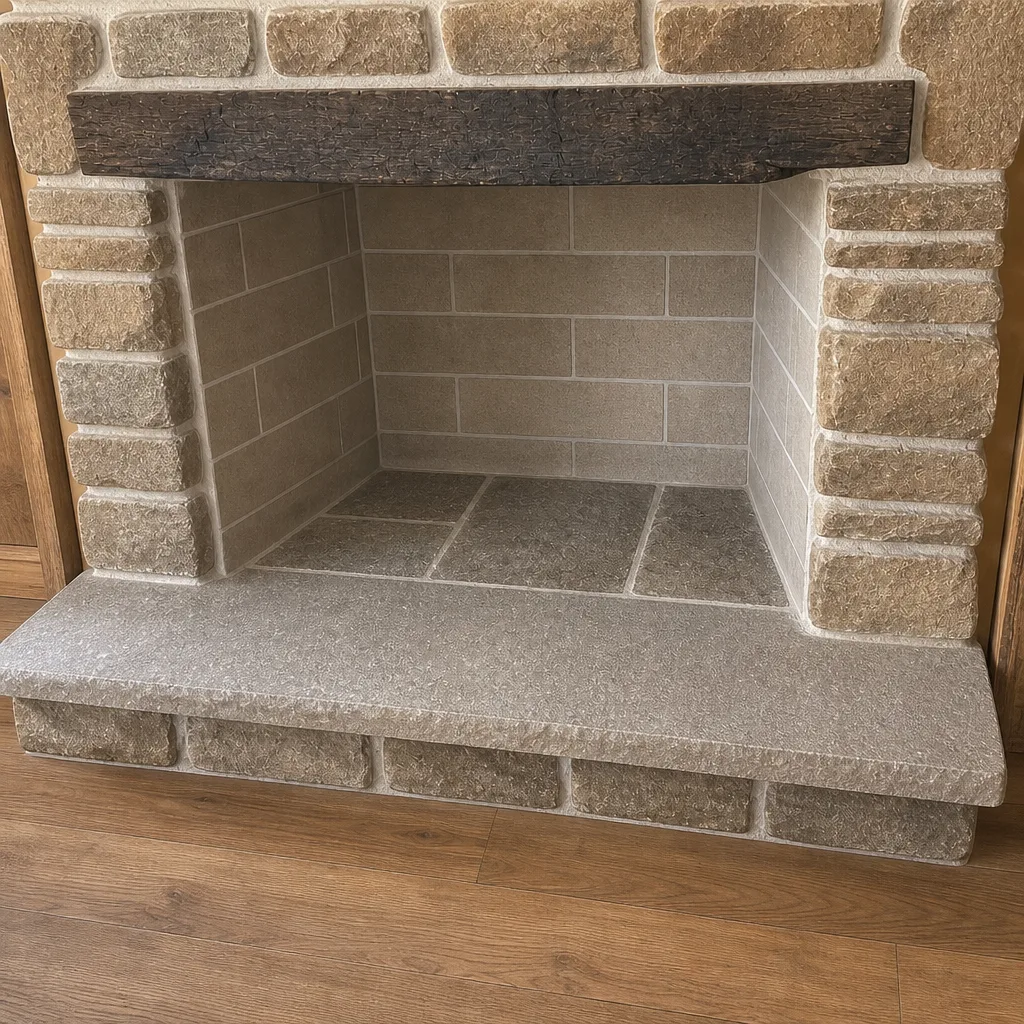
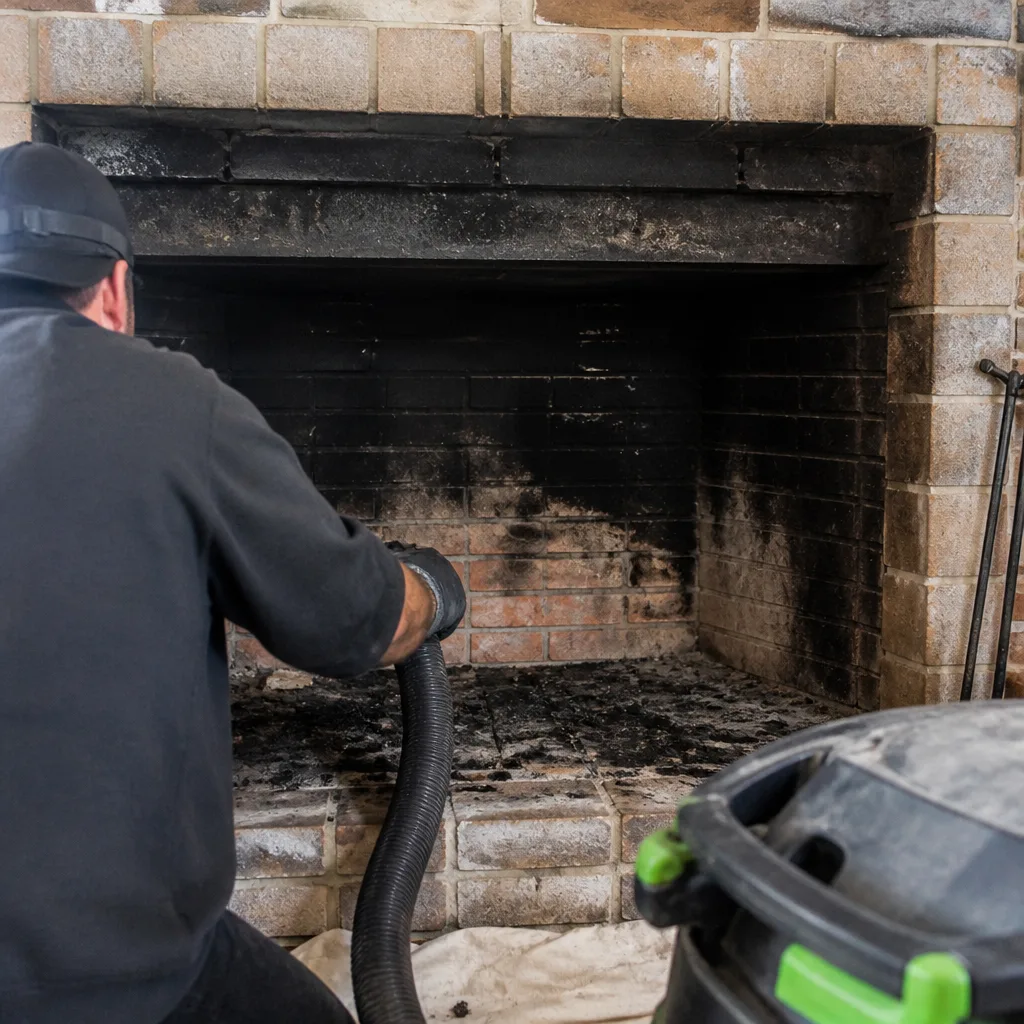
See the difference
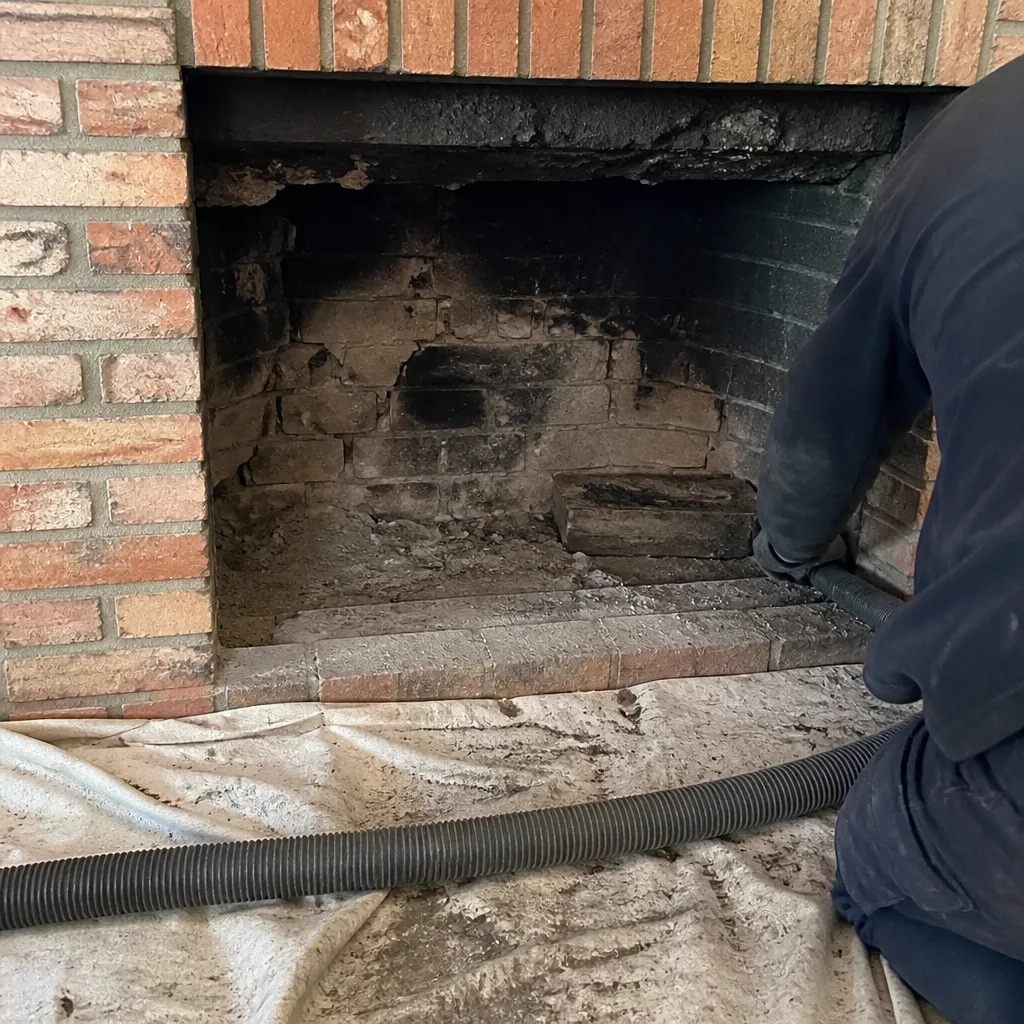 Before
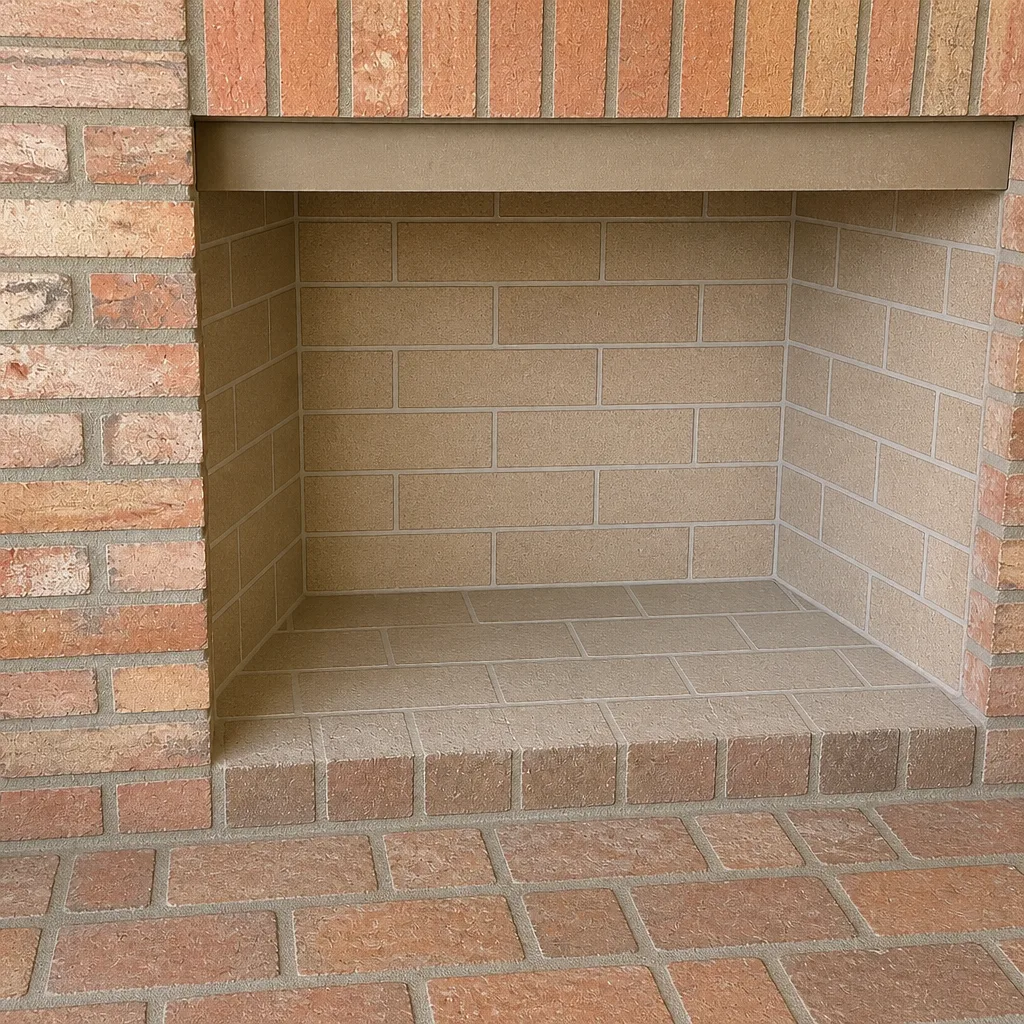 After
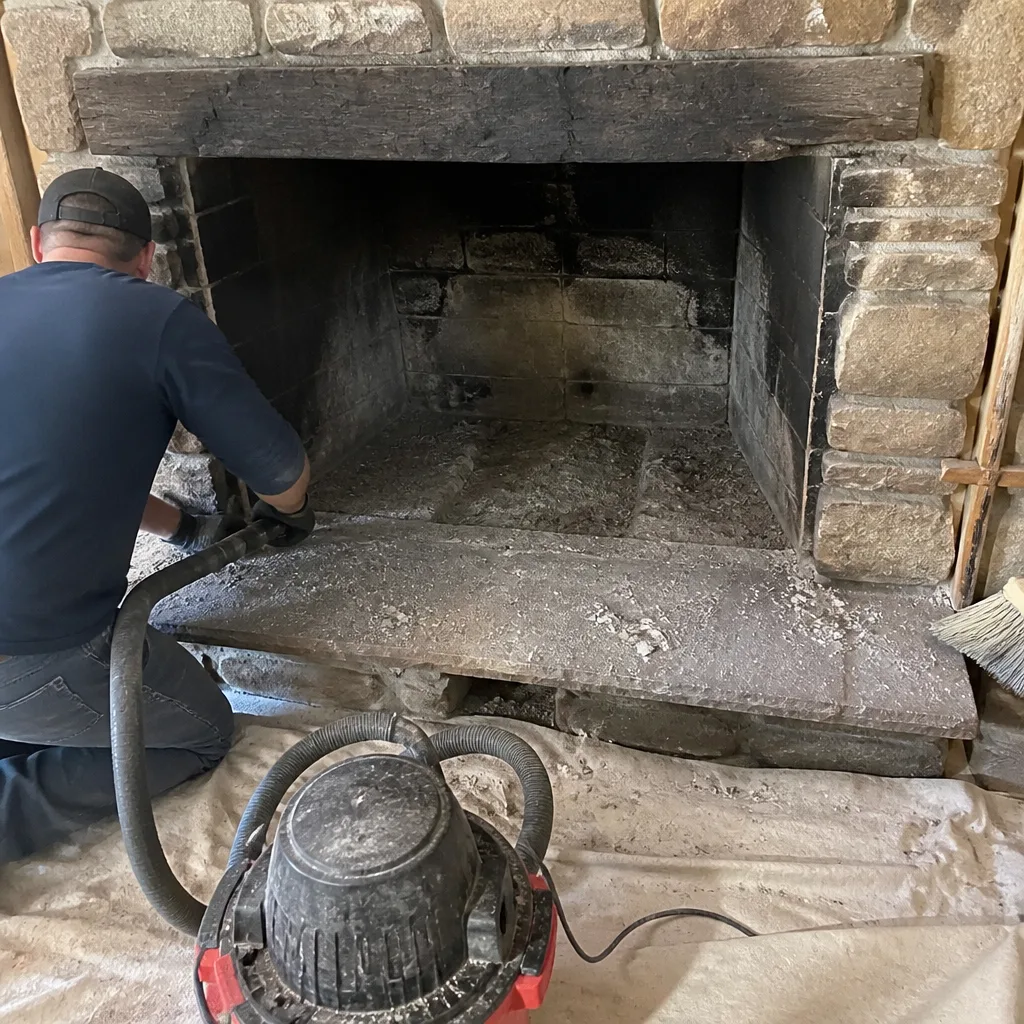 Before
 After
 Before
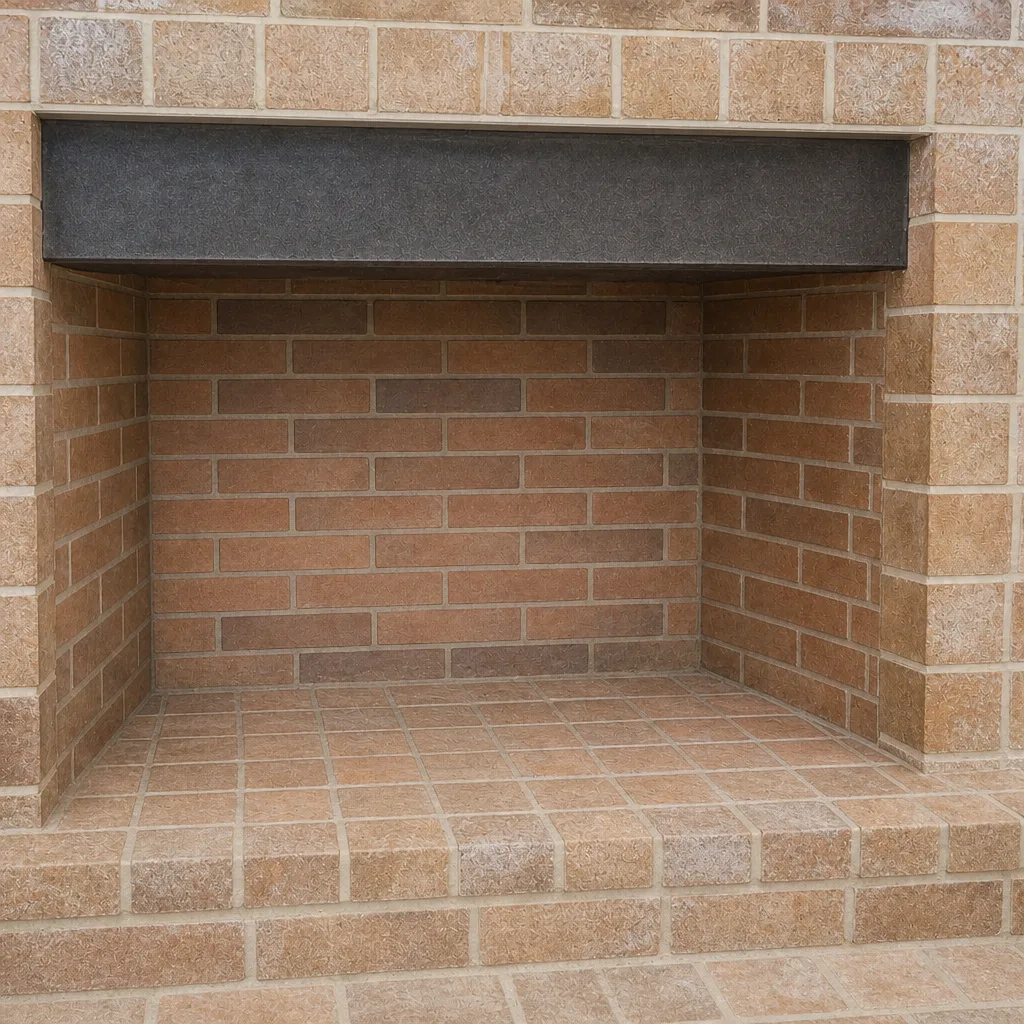 After
When to Call a Professional
Some chimney issues are clear enough to schedule a call, and others are worth a second opinion. Call a professional if you haven’t had the chimney cleaned in over a year, if you’re seeing smoke spill back into the room, if there’s a strong sooty smell or visible creosote around the firebox, or if you notice a cracked crown, a missing cap, or water staining on the ceiling near the chimney. A pre-sale or pre-purchase inspection is also a reason to call. And if a sweep was done without an inspection and you don’t know what condition the flue is in, that’s a reason too. Chimney Sweep Saratoga Springs offers free estimates in Saratoga Springs. Call (833) 468-6033, and we’ll help you decide whether it’s a cleaning, an inspection, or a repair that fits.
Frequently Asked Questions
Once a year before the heating season is the baseline for most wood-burning fireplaces in Saratoga Springs. Our cold winters and sharp temperature swings build creosote faster than milder climates, so the annual cadence matters more here than it would in a warm-weather town. If the fireplace gets heavy use through the season, closer attention is wise.
A sweep removes soot and creosote from the flue, while an inspection assesses the whole system: firebox, liner, crown, cap, flashing, and exterior masonry. A cleaning without a Level 1 inspection afterward leaves you with a clean flue but no read on the parts that can fail independently. The two belong together, and a proper visit covers both.
Yes. Stage-3 creosote is a hard, glazed, tar-like coating that’s highly combustible, and it’s the deposit that can ignite into a chimney fire. A standard brush can compress and smooth it rather than remove it, which is why the inspection after a sweep matters. Removing stage-3 deposits takes specialized methods, and in severe cases relining or resurfacing.
It depends on the damage. A deteriorated liner that qualifies can sometimes be resurfaced with HeatShield, an EPA-recognized method, rather than torn out and replaced. Older offset or irregular flues often call for a flexible liner like a DuraFlex system. The inspection determines which route fits, and nothing should be recommended without evidence you can see.
Creosote keeps building with every fire, and in a cold, high-elevation climate like Saratoga Springs, it builds faster. Skipping a few years raises the risk of a chimney fire and lets small issues, like a cracked crown or a deteriorated liner, go unaddressed until they become expensive repairs. It also makes the eventual cleaning heavier and the inspection findings more likely to include structural work.
Not always from the outside. The stage becomes clear during the cleaning and inspection, when the deposits are visible and the flue is being worked. That’s one more reason to ask what stage was found and how it was removed, so you walk away knowing what was in your chimney and what was done about it.
The Bottom Line
Chimney cleaning in Saratoga Springs is really two services in one: the sweep that clears soot and creosote from the flue, and the inspection that tells you what condition the rest of the chimney is in. In our cold, high-elevation climate, creosote builds faster and freeze-thaw cycles work on crowns and masonry more aggressively, so the annual cleaning-and-inspection cadence isn’t a formality. Understand the stage of creosote in your flue, verify the full system was checked, and make sure the same crew can handle whatever the inspection finds. From chimney sweep in Saratoga Springs through chimney sweep bookings, fireplace repair, and chimney repair, one crew can carry the work from cap to firebox. To get started, call (833) 468-6033 for a free estimate. We answer 24/7. Fast dispatch from 7am to 7pm, Sunday through Friday.
Written by the team at Chimney Sweep Saratoga Springs.