
Last updated November 24, 2026
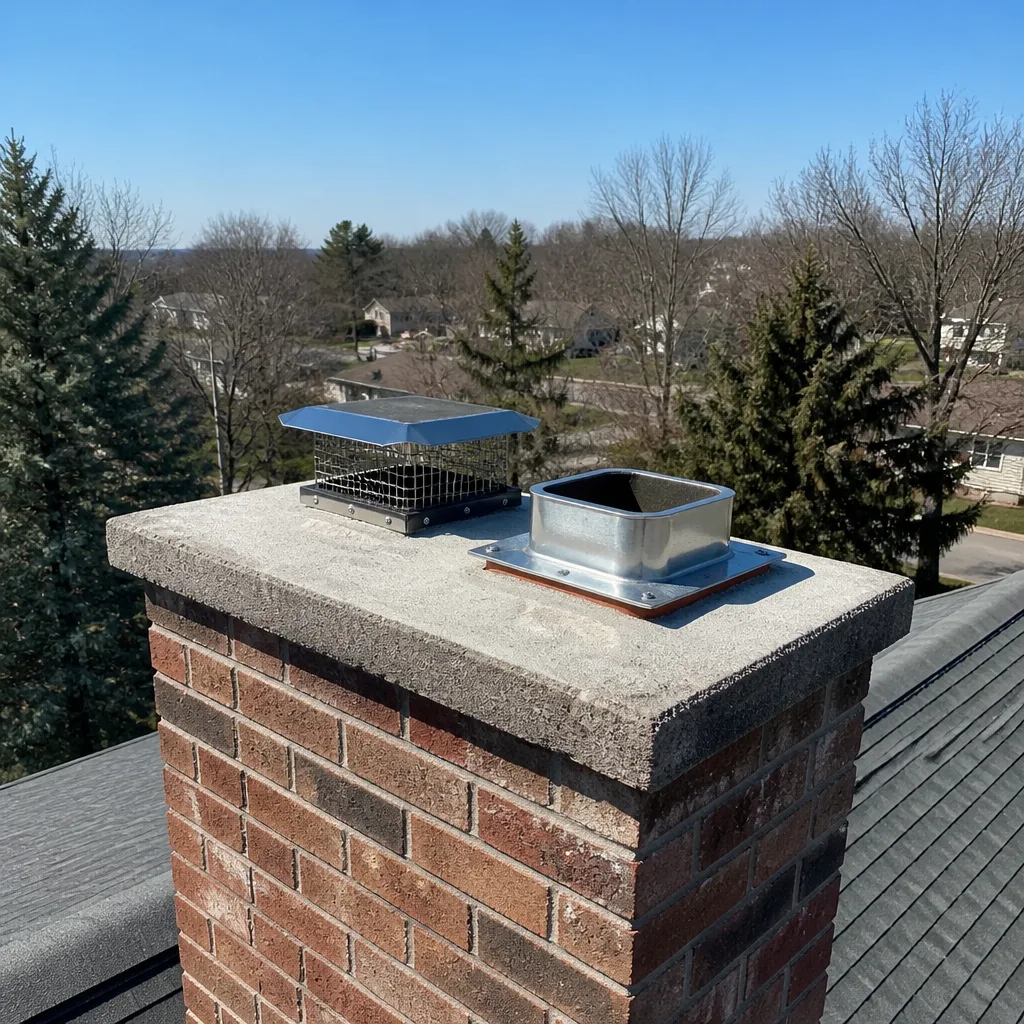 Sweep & inspection
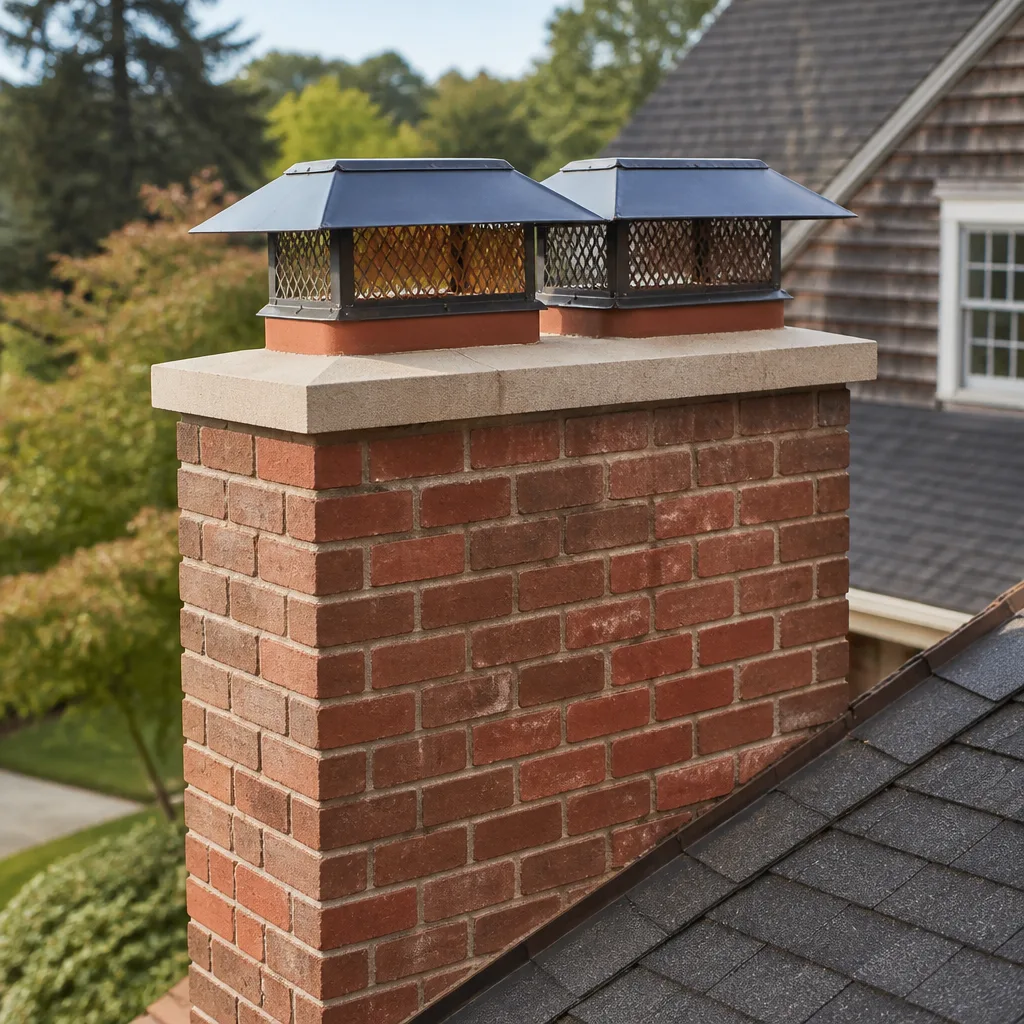 Caps & crowns
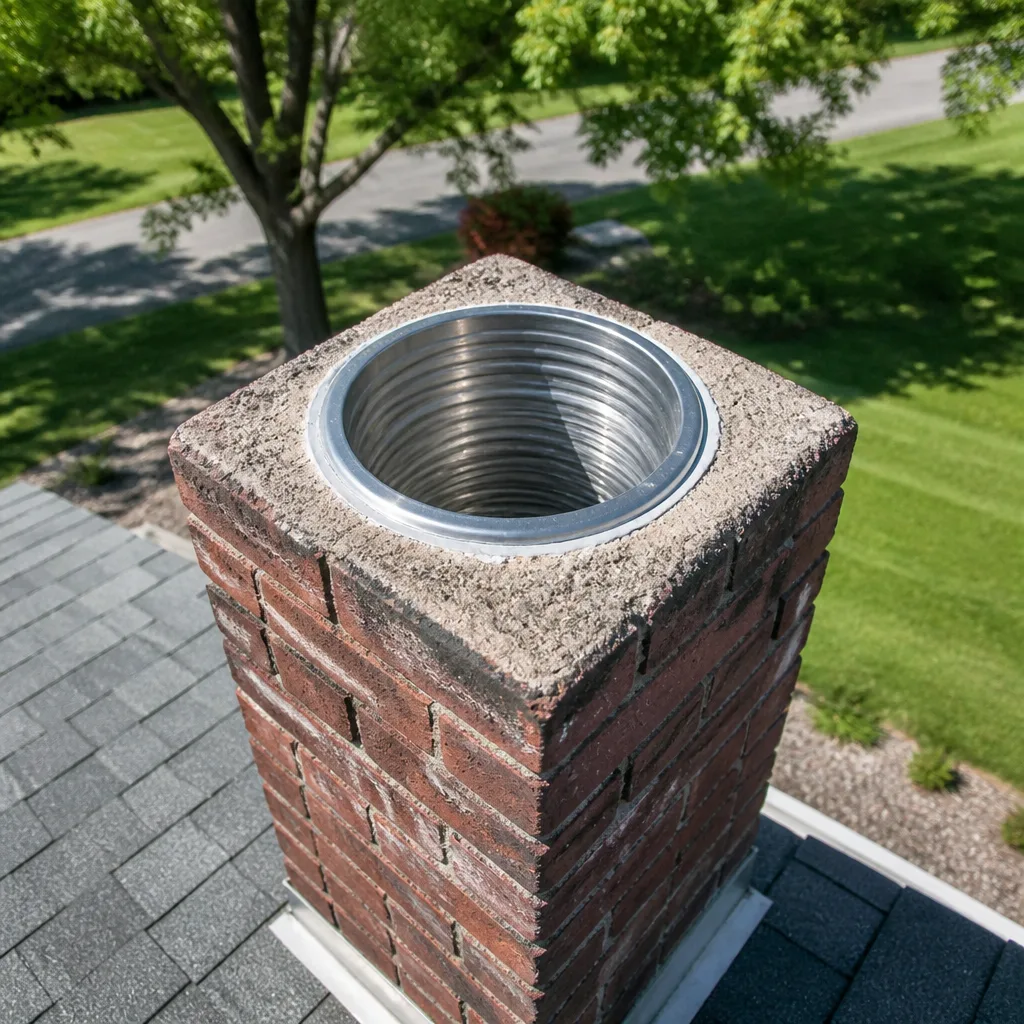 Flue relining
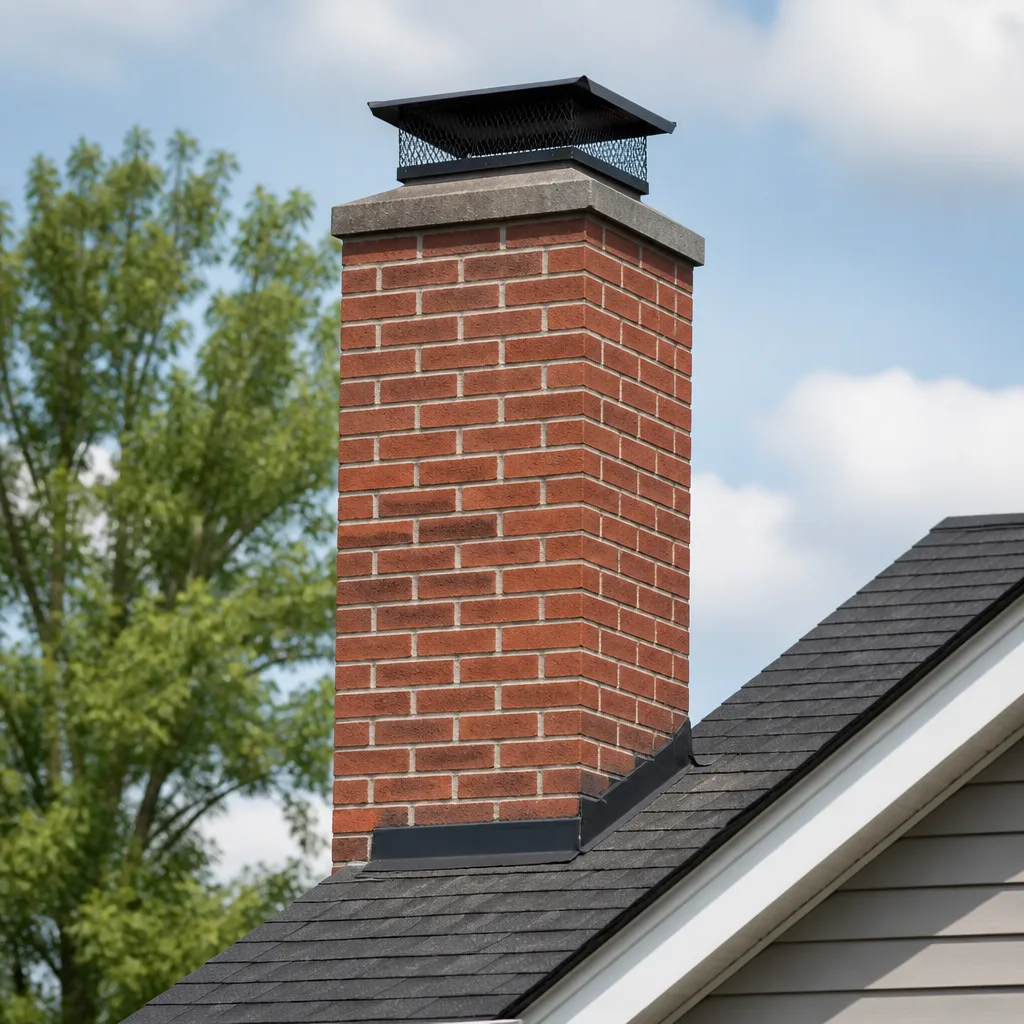 Masonry repair
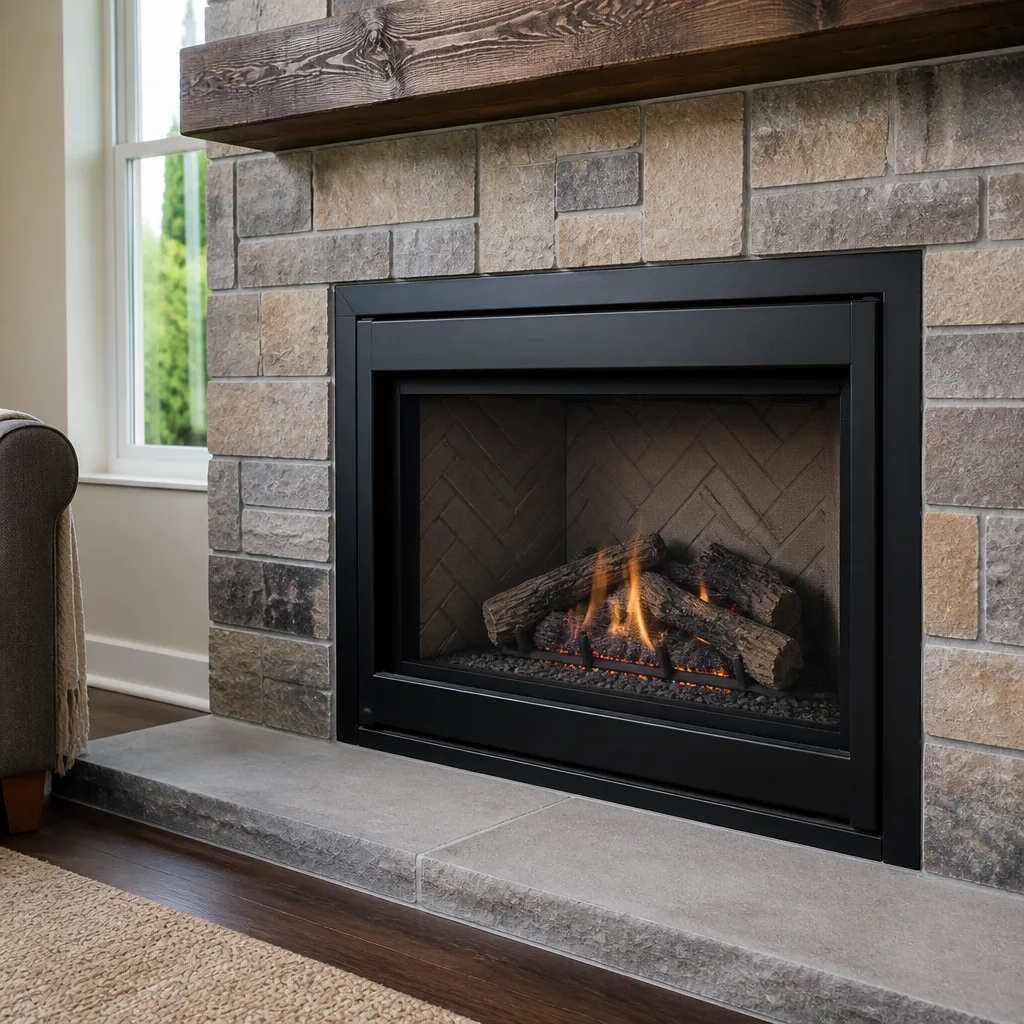 Gas fireplace service
Level 1 sweep and inspection to the NFPA 211 annual standard - flue, crown, cap, and flashing checked and photographed
Chimney sweep logs do not sweep chimneys. They loosen some creosote - which then falls where a brush and vacuum still have to collect it.
Chimney Cleaning Permits, Codes & Inspections in Saratoga Springs, UT: What You Need to Know
Most homeowners in Saratoga Springs assume a chimney cleaning never involves a permit. For a routine sweep, that’s correct. But the moment a job touches the flue liner, the crown, or the firebox structure, the regulatory picture changes, and a repair completed without the right documentation can complicate a resale or an insurance claim years later. Here in Saratoga Springs, where wood-burning fireplaces run hard through cold Utah County winters, the line between a simple sweep and a permitted structural repair is worth understanding before you hire anyone. This guide walks through which chimney services are exempt, which trigger a building permit, how the International Residential Code applies, and how to check that work on your home was done through the proper channel.
Quick Answer
A routine chimney sweep in Saratoga Springs, UT does not require a building permit. A structural repair that changes or replaces the flue liner, rebuilds the firebox, alters the chimney’s height or footprint, or replaces a crown on a masonry stack usually does require a permit under the Utah Residential Code, which adopts the International Residential Code as its base. Separately, a Level 2 inspection is required by industry standard at a real estate transaction, after a chimney fire or other event, and whenever the flue liner is replaced or resized. Always confirm with the Saratoga Springs building department for your specific scope, because the final call belongs to the local authority having jurisdiction.
Styles & brands we work with
- Sweep & inspection
- Caps & crowns
- Flue relining
- Masonry repair
- Gas fireplace service
Table of Contents
- Which Chimney Services Are Permit-Exempt in Saratoga Springs?
- Which Chimney Services Require a Building Permit Under Utah Code?
- How the International Residential Code Applies to Your Chimney
- What a Level 2 Inspection Is and When It’s Required
- The Insurance Implications of Undocumented Chimney Work
- How to Verify Permit Status on Previous Chimney Work
- Why Saratoga Springs Winters Make Compliance Matter
- What the Permit and Inspection Process Looks Like
Which Chimney Services Are Permit-Exempt in Saratoga Springs?
A routine chimney sweep is maintenance, not construction, so it doesn’t trigger a building permit. Neither does a visual inspection, a Level 1 check, or a simple cap swap where nothing structural changes. The category to keep in mind is “like-for-like maintenance” compared to “alteration of the system.” Anything that changes how the chimney is built or how it vents falls out of the exempt bucket.
Here’s what typically sits on the exempt side in Saratoga Springs:
- Annual or seasonal sweeping of a wood-burning flue or a gas appliance vent, using brushes and rods.
- Level 1 and Level 2 inspections when they’re diagnostic, not tied to a structural change.
- Cap replacement of the same size and type, where the flue termination isn’t altered.
- Minor firebox touch-ups that don’t change dimensions, materials, or clearances.
- Removal of creosote, soot, or animal nests from an otherwise sound flue.
What all of these share is that the chimney stays the chimney. The minute a job involves cutting, rebuilding, relining, or extending the stack, you’ve moved from maintenance into a scope that your local building department wants to see in a permit file. If you’re unsure where your job lands, ask the department directly with the exact scope in front of you. That single phone call saves a lot of grief later, especially in a market like Saratoga Springs where homes change hands and buyers run their own inspections.
For straightforward maintenance, our sweep service handles the brushes-and-vacuum side while documenting what we find, which becomes a helpful paper trail even when no permit applies.
Which Chimney Services Require a Building Permit Under Utah Code?
Utah municipalities, including Saratoga Springs, adopt the Utah Residential Code, which incorporates the International Residential Code (IRC) as its technical foundation. Under that structure, any work that alters the structural or venting characteristics of a chimney is treated as construction work and usually needs a building permit before the first tool comes out. The classic trigger phrases are “replace,” “install,” “rebuild,” and “extend.”
These are the chimney scopes that most often require a permit:
- Flue liner replacement or resizing. Installing a new stainless liner, upsizing the flue for a new appliance, or relining an older offset flue changes the venting system and generally needs a permit.
- Masonry chimney rebuilds. Rebuilding the stack above the roofline, or a significant repair of the chimney’s exterior structure.
- Firebox reconstruction. Rebuilding the firebox with new masonry or refractory materials, since firebox dimensions relate directly to clearances and draft.
- Chimney crown replacement. A crown is part of the chimney’s weather envelope, and replacing the full crown is usually permitted work even if it looks cosmetic from the ground.
- Height or footprint changes. Adding height to meet the 10-3-2 rule, or widening the chimney footprint during a repair.
- New chimney construction. A brand-new chimney for a new fireplace or appliance is always permitted.
Here’s the wrinkle homeowners don’t always anticipate: the repair itself might not be complicated, but the paperwork has to match what actually happened. If a liner is swapped without a permit, an inspector looking at a home sale or an insurance claim can flag the unpermitted work even if it looks fine on the outside. That’s why our techs always document scope and materials on the inspection report. If the scope crosses into permit territory, we note it up front so the homeowner can make that call before the work is scheduled.
For jobs that clearly need it, we plan the chimney repair in a way that lines up with the permitted scope, so what’s on the permit application matches what the crew installs. That alignment matters more than people realize.
How the International Residential Code Applies to Your Chimney
The IRC governs masonry and factory-built chimneys under a handful of core provisions, and those provisions shape what a Saratoga Springs inspector will look for. You don’t need to read the code yourself to be a well-informed homeowner, but knowing the shape of the rules helps you ask better questions when a contractor quotes a repair.
The IRC sections that come up most in chimney work cover:
- Chimney termination height. The 10-3-2 rule: the chimney must extend at least 3 feet above the highest point where it passes through the roof and at least 2 feet above any portion of the building within 10 horizontal feet.
- Flue liner requirements. Every masonry chimney must have a liner that’s continuous, properly sized for the appliance, and made of an approved material. Field-built and older clay liners must still meet that performance standard.
- Clearances to combustibles. Specified minimum distances from the chimney and any connected appliance to framing, sheathing, and other combustible materials.
- Firebox and hearth construction. Materials, thicknesses, and dimensions designed to contain heat and sparks.
- Chimney caps and spark arrestors. Requirements for termination to keep water, debris, and wildlife out of the flue.
In practice, these provisions answer two questions: does the chimney terminate correctly, and does the flue protect what surrounds it? On older Saratoga Springs homes, the most common failure point is the liner. Original clay tile liners develop cracks from years of heat cycling, and once that happens, the flue no longer meets the performance the code assumes. That’s when a reline makes sense and the permit question arrives with it.
The IRC doesn’t do the enforcing. Utah municipal jurisdictions do, through their local building department. So while the IRC sets the standard, compliance in Saratoga Springs means meeting the standard as interpreted by the city’s inspectors. When there’s a judgment call, the local authority having jurisdiction sets the final word, not the contractor.
What a Level 2 Inspection Is and When It’s Required
A Level 2 inspection is a more thorough check of your chimney than the annual Level 1 walk-around. It’s performed with a video camera run down the flue, and it covers accessible portions of the chimney interior and exterior, including the firebox, damper, smoke chamber, flue liner, crown, cap, and flashing. The industry standard that defines inspection levels is NFPA 211, and that’s where the “when is a Level 2 required” question gets its answer.
A Level 2 inspection is required under NFPA 211 in these situations:
- A real estate transaction. Buyers and their lenders want a documented record of the chimney’s condition before closing.
- After a chimney fire or other event. Anything that may have damaged the flue – a chimney fire, a lightning strike, a seismic event, or a sudden weather event.
- When the flue liner is replaced or resized. A new liner changes the venting characteristics, and the standard says the change needs verification.
- After a change in the appliance. Switching fuel types, or swapping a fireplace insert, requires the chimney to be re-verified for the new appliance.
- When a Level 1 inspection turns up a problem. If the annual check finds something that needs a closer look, the standard calls for escalation to Level 2.
Who can perform one? NFPA 211 says inspections should be done by a qualified professional. In practice, that means a technician with training in chimney systems and the camera equipment to see what’s really inside. Our technicians have up to 15 years of experience running these inspections, and we leave the video and photo record with the homeowner so nothing is a mystery. If you’re in Saratoga Springs and a sale or a repair is on the calendar, that inspection record may be the most valuable piece of paperwork in the whole transaction.
You don’t always need a Level 2. If your annual sweep turns up a clean flue and no signs of trouble, a Level 1 is the right scope. Call (833) 468-6033 for an exact quote on a Level 2 inspection. We answer 24/7. Fast dispatch from 7am to 7pm, Sunday through Friday.
The Insurance Implications of Undocumented Chimney Work
Here’s the piece most homeowners don’t hear until it’s too late: a homeowner’s insurance policy usually requires the homeowner to disclose material changes to the property’s systems, and unpermitted structural work can be a problem if a claim is filed later. It doesn’t matter whether the work was done well. What matters is whether it’s documented through the right channel. An adjuster investigating a fire or a water intrusion claim may treat unpermitted chimney work as a policy issue, and coverage for that portion of a loss can be disputed.
If you’ve already had unpermitted work done, it isn’t a lost cause. Getting it documented retroactively is possible in many cases, though the process varies. Here’s the general shape of it:
- Get a Level 2 inspection of the current chimney condition, with video and photo documentation of the liner, crown, and any repair work.
- Request the original scope of work from whoever did the job, if that’s possible. Contractor invoices and material lists help.
- Contact the Saratoga Springs building department to ask about their process for legalizing or documenting existing unpermitted work. Many jurisdictions have a mechanism for this.
- Have any corrective work done under a current permit, if the inspection shows the existing work doesn’t meet code.
- Notify your insurance carrier once the documentation is complete, so the record reflects the current state of the chimney.
The honest version: retroactive permitting is possible but not always cheap or quick, and it depends on what the building department finds. That’s why doing it right the first time, with a permit pulled when the scope requires one, is the cleaner path. For ongoing fireplace repair, keeping records in one folder makes the whole picture easier to reconstruct later.
When a repair crosses into permitted territory, we can help coordinate with your insurer on the documentation side and leave you with a full inspection report you can hand to your carrier.
How to Verify Permit Status on Previous Chimney Work
If you’re buying a home in Saratoga Springs with a fireplace, or you’re refinancing and want a clean file, verifying chimney permit history is worth the effort. It’s not always obvious which work was done under permit, but the records are accessible if you know where to look.
Work through this checklist:
- Start with the city. Contact the Saratoga Springs building department and ask them to pull the permit history for the property address. This is the authoritative source.
- Ask for inspection records. If a permit was pulled, there should be inspection sign-offs. Missing sign-offs are a flag.
- Request contractor disclosure forms. Sellers are sometimes required to disclose whether unpermitted work was done. Read those carefully, and ask directly.
- Commission a Level 2 inspection before closing. This documents the current condition of the chimney, regardless of what the permit history shows.
- Compare dates. If a recent liner replacement or crown replacement shows up in a seller’s disclosure but there’s no permit on file, that’s the exact question to raise before signing.
- Get the report in writing. A written inspection with photos is what your lender and your future insurer will want, so it belongs in your closing file.
In our experience, most sellers don’t set out to hide anything. They simply didn’t know the work needed a permit, or the previous owner didn’t tell them. The verification process isn’t about catching someone. It’s about making sure you know what you’re buying. If your inspection finds a defect, the pre-purchase report gives you grounds to negotiate a repair or credit, which is a much better position than finding out after closing.
Why Saratoga Springs Winters Make Compliance Matter
Saratoga Springs sits in a high-desert valley along the eastern edge of Utah Lake, and the winters are long and cold enough that wood-burning fireplaces and stoves run hard for months on end. That matters for chimney code compliance for a simple reason: the more a flue cycles between hot and cold, the faster a liner or a crown wears out. Cracks that would take years to appear in a mild climate show up quicker in a climate that freezes and thaws through the season.
The crown is the part most affected. It’s the concrete or masonry cap at the top of the chimney, and its job is to shed water off the top of the stack and down the sides. When a crown cracks, water gets into the masonry, freezes, and expands. Repeat that freeze-thaw cycle through a Saratoga Springs winter and the crack grows. Framed in code terms, the crown is part of the chimney’s structural weather envelope, and once it fails, the rest of the chimney is at risk.
That’s why crown replacement usually goes in the permit category. It’s easy to treat a crown as cosmetic because you can’t see it from the ground, but it protects real structural work. The liner is the other freeze-thaw casualty. A cracked clay tile liner loses its ability to contain combustion gases, and that’s the condition that turns a routine sweep into a permit-worthy reline.
Our angle for Saratoga Springs is straightforward: when we apply HeatShield to resurface a deteriorated flue liner, we’re often able to save the homeowner a full tear-out. That repair still needs to be documented correctly if it crosses into the permitted scope, and we say so up front. We also install DuraFlex flexible liner systems, which is what we reach for when an older flue has an offset or an irregular shape that won’t take a rigid liner. Both are real products with a real code story. Neither protects you if the paperwork isn’t right.
If your fireplace has been running hard through Saratoga Springs winters and it’s been a few years since the last sweep, the annual Chimney Sweep Saratoga Springs service is the right place to start. The sweep tells you whether you’re in exempt maintenance territory or looking at a structural repair.
What the Permit and Inspection Process Looks Like
If your job does require a permit, the sequence isn’t complicated, but it does need to be followed in order. Skipping a step is where most permit problems start.
- Scope the job. The inspection report defines the work. The permit application has to match that scope.
- Contact the Saratoga Springs building department. Confirm the current process and fees for the specific job. Requirements vary by scope, so it’s worth asking rather than assuming.
- Pull the permit before work begins. Some jurisdictions allow the contractor to pull it, some require the homeowner. Confirm which applies.
- Complete the work in the permitted scope. No substitutions. If the inspection during the job reveals something the permit didn’t cover, stop and amend the permit.
- Schedule the required inspections. Depending on the scope, there may be a rough-in and a final inspection. Both need to happen before the job is signed off.
- Keep the final inspection report. It’s the document you’ll show your insurer or your buyer. Put it with the inspection report and the contractor’s invoice in one folder.
What we bring to the sequence is materials from trade-grade brands that inspectors recognize: Olympia Chimney, Famco, Copperfield, DuraFlex, Gelco, and HeatShield. An inspector reviewing the permit file can see exactly what was installed and confirm it meets the IRC requirements for that application. That’s not a marketing point. It’s how the job closes out cleanly.
One thing we always say plainly: an inspection tells you exactly what your flue needs, nothing more. If your chimney is in good shape, we tell you that and you move on. If a repair can safely wait until spring, we say so. You shouldn’t be asked to spend thousands on a liner you don’t need.
Call (833) 468-6033 to schedule an inspection. We answer 24/7. Fast dispatch from 7am to 7pm, Sunday through Friday.
Common Mistakes to Avoid
- Skipping the permit on a liner replacement. A new liner is structural work, and doing it without a permit can create problems at resale or after a claim even if the install itself was perfect.
- Assuming a “no permit needed” guarantee from a contractor. The building department decides, not the contractor. Ask the department directly with the scope in hand.
- Not asking for the Level 2 inspection before a home purchase. Skipping it means buying a chimney you haven’t seen inside. A video record before closing is the cheapest insurance you’ll buy.
- Replacing the crown as “cosmetic” without documentation. A crown is the top of a structural weather envelope. It usually needs a permit and a final inspection.
- Losing the inspection report after the work closes. That report is what you’ll need at refinance or resale, so keep it with the home’s records.
- Trusting a seller’s word that “it was all done right.” Verify the permit history at the city. It takes one phone call and can uncover a gap in the file.
- Putting off the inspection because “the fireplace still works.” A cracked liner can vent fine and still fail on safety. The only way to know is to look.
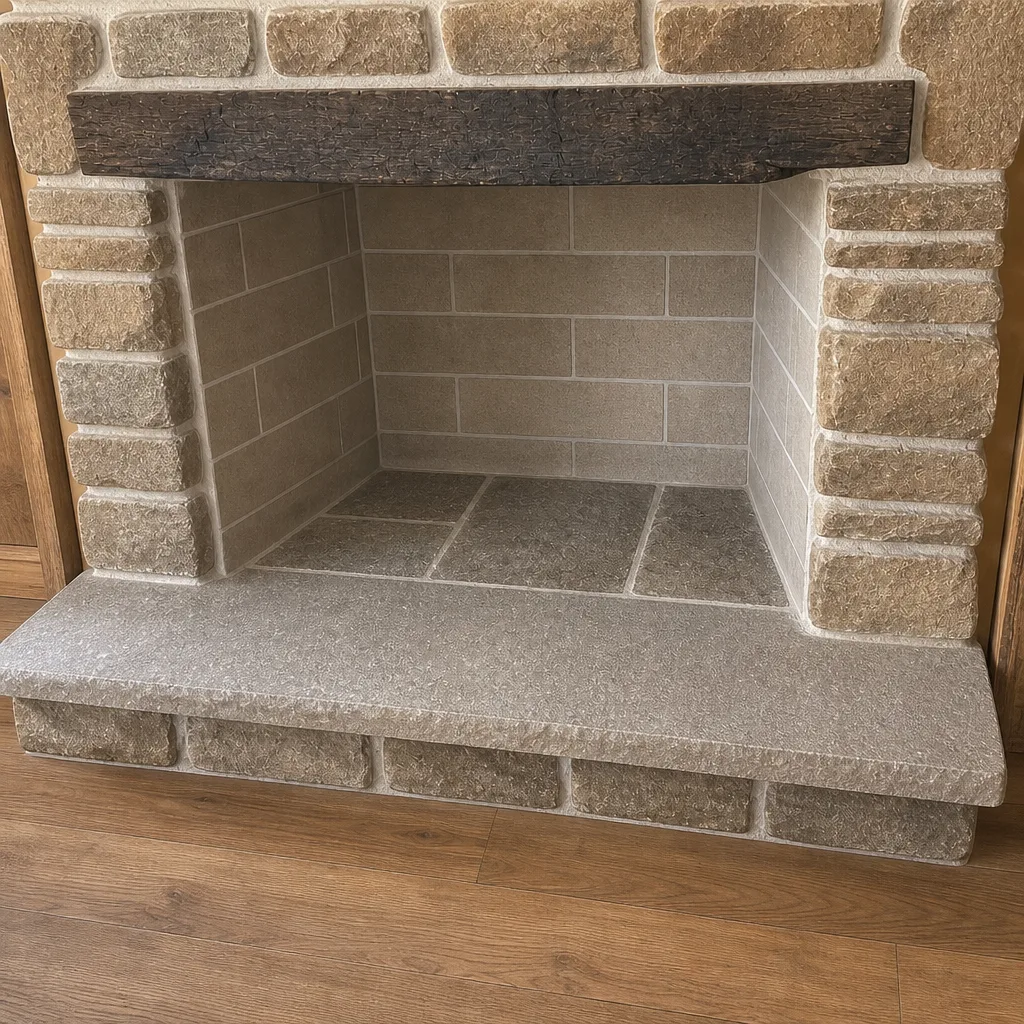
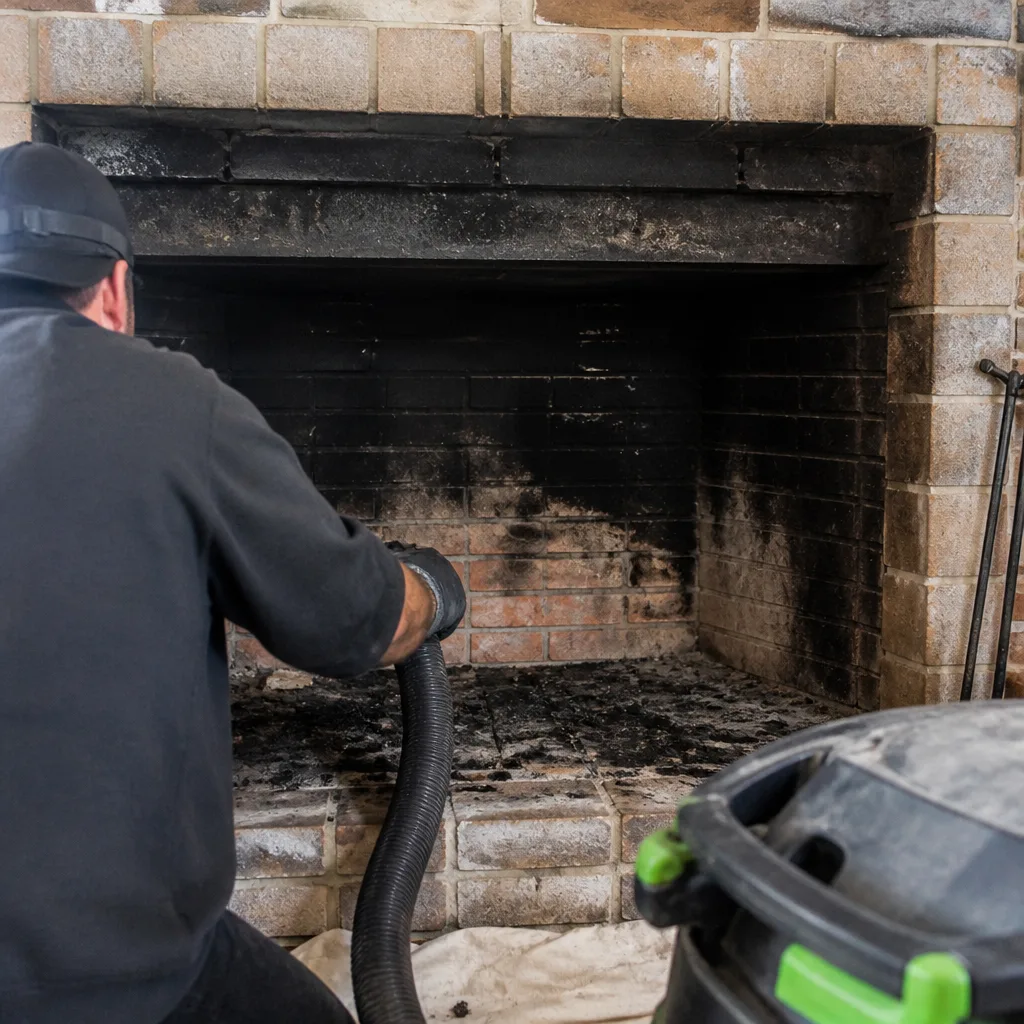
See the difference
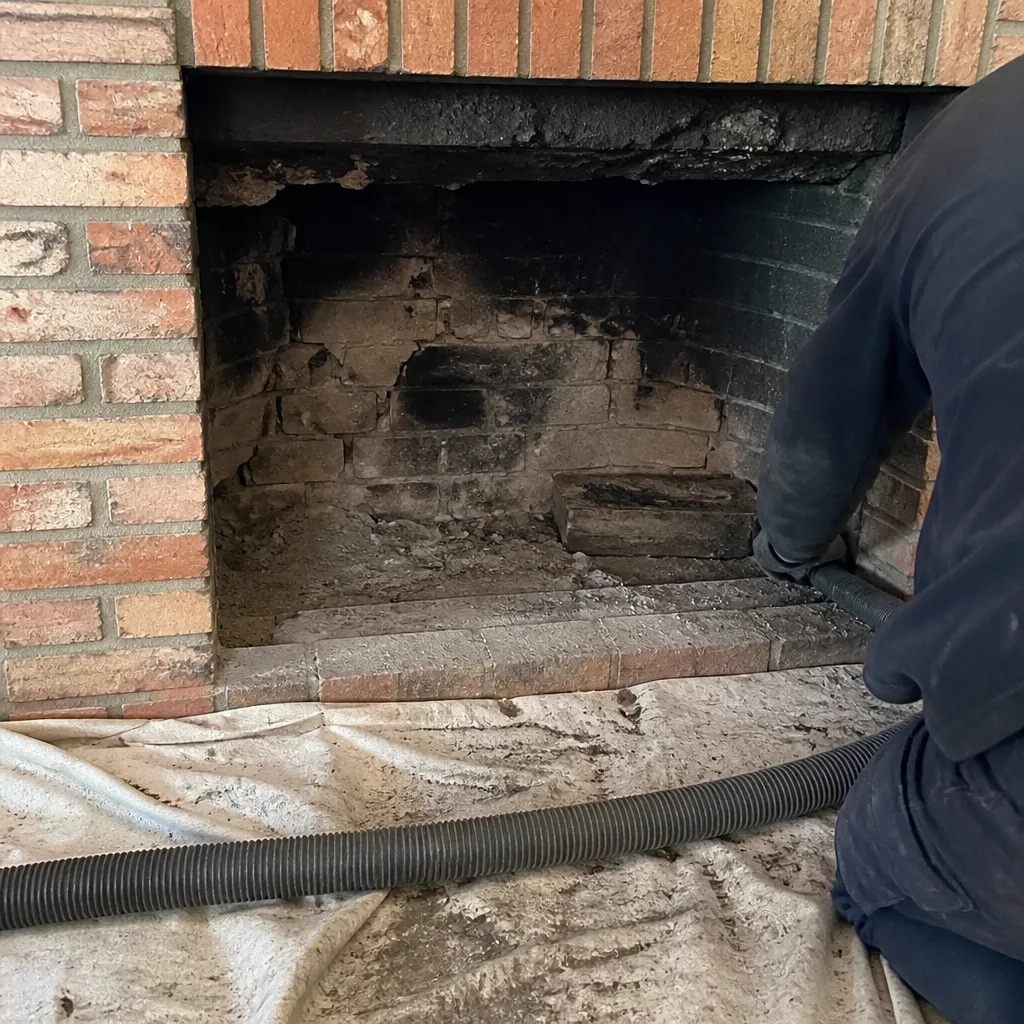 Before
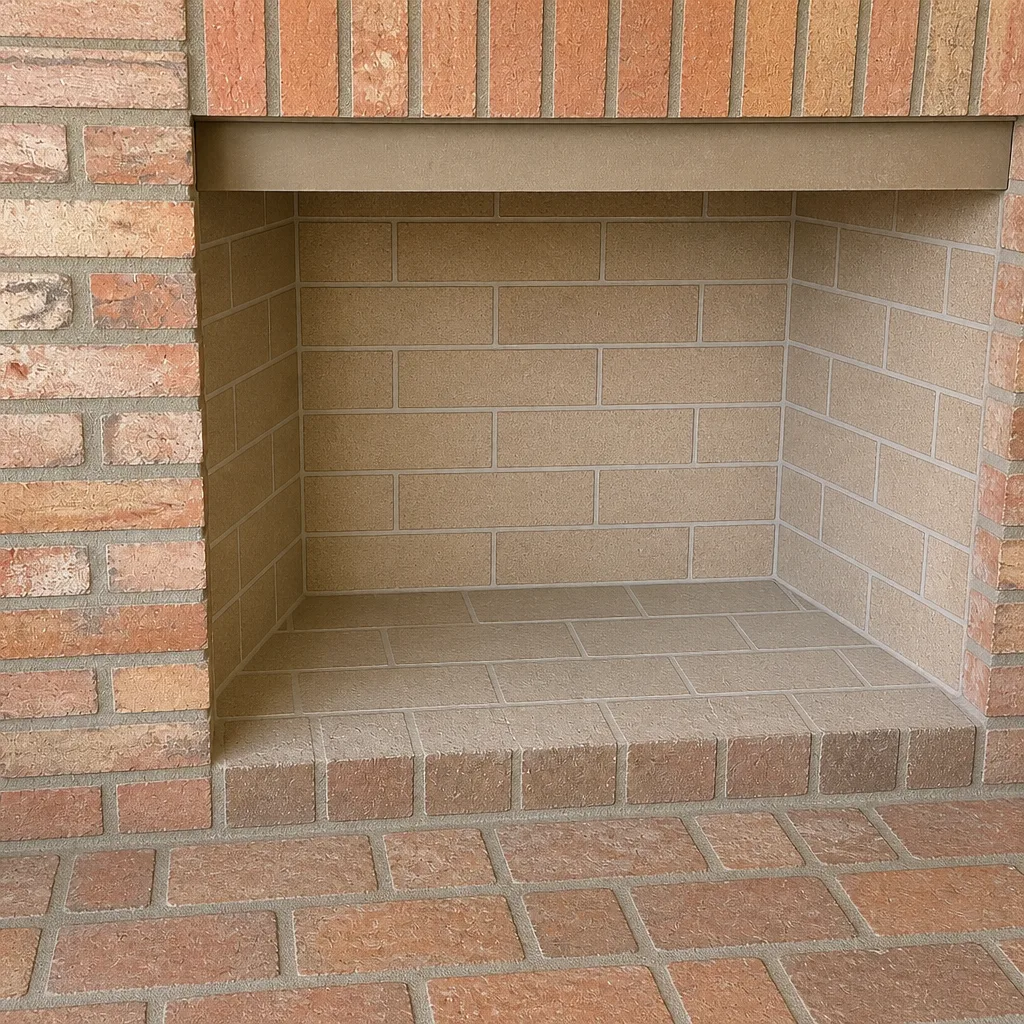 After
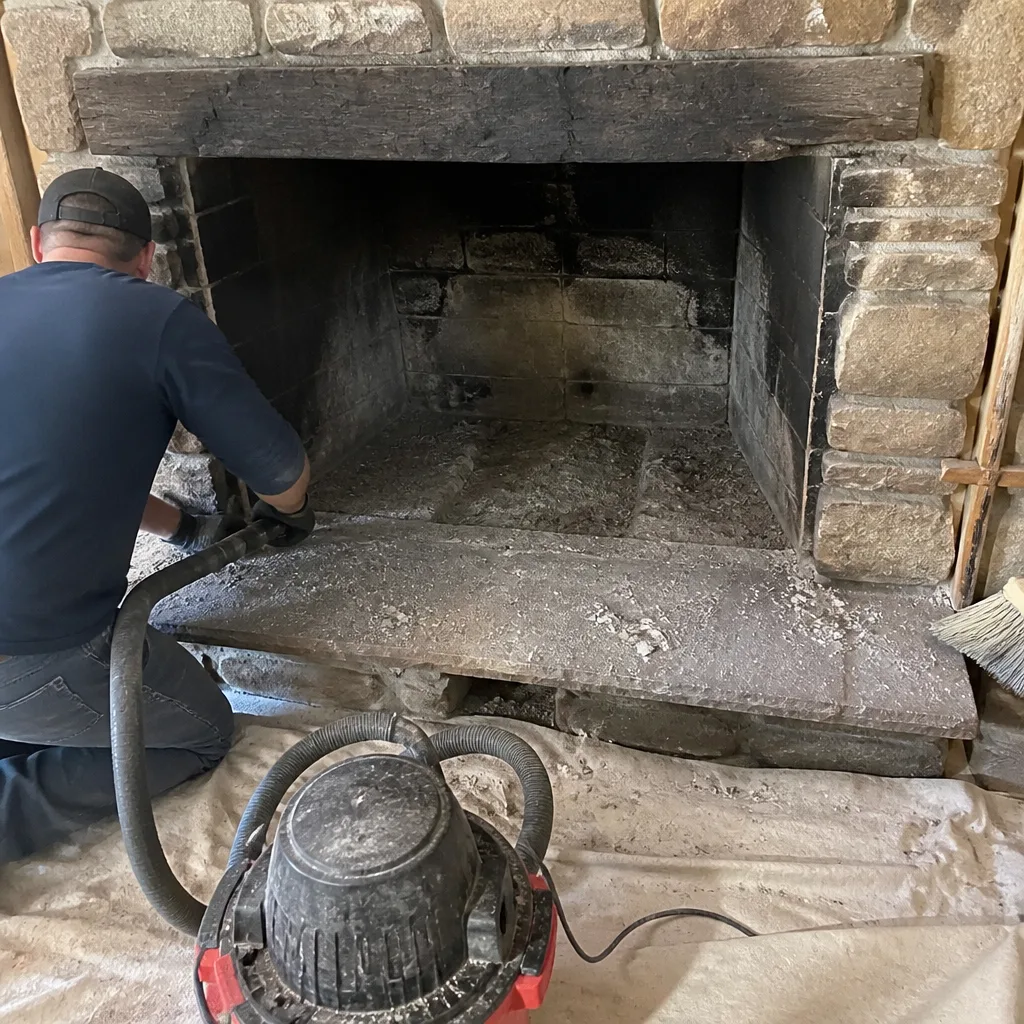 Before
 After
 Before
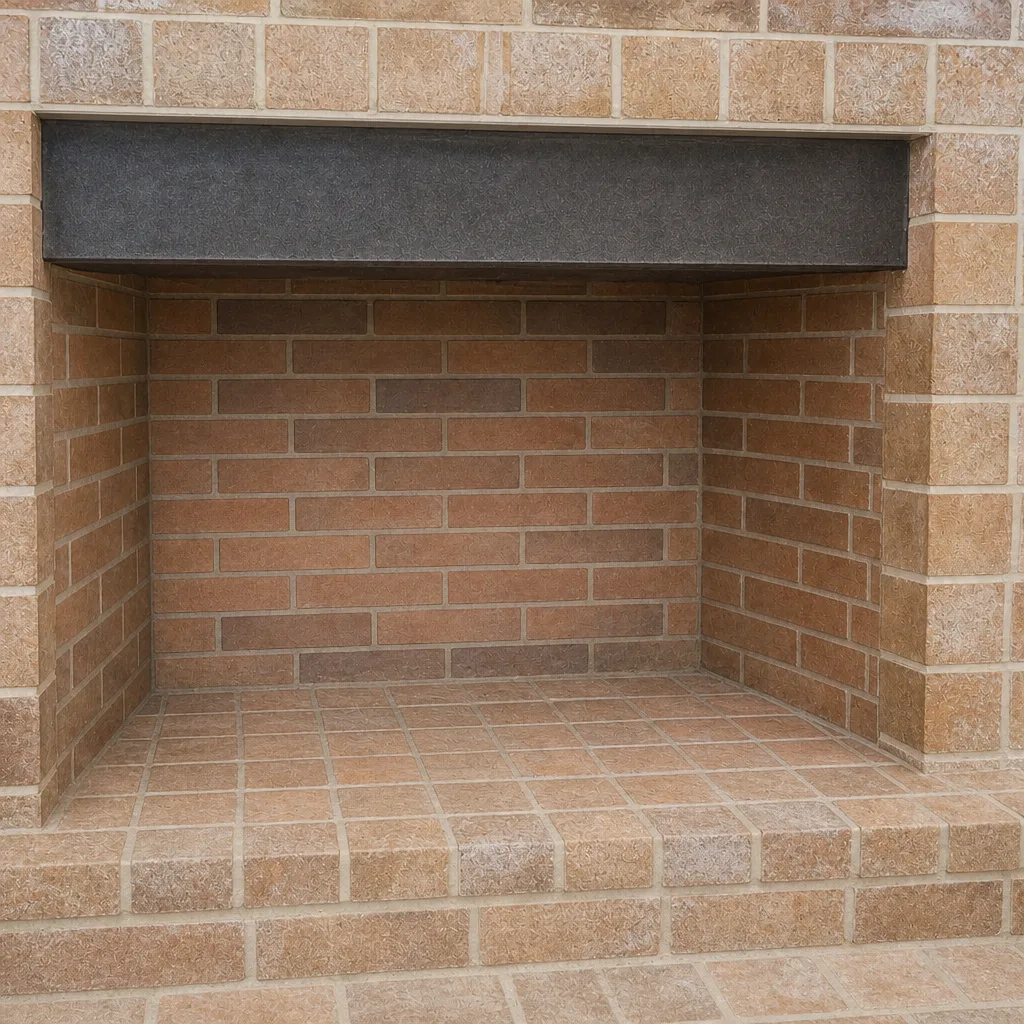 After
When to Call a Professional
Some chimney work is fine for the homeowner to handle – checking the cap from the ground, watching for smoke backdraft, keeping a fire screen in place. The rest belongs with a trained professional, and it’s not a judgment call. High-tension springs, climbing a roof to look at the crown, pulling a permit that touches structural flue systems, running a camera down a flue to read what’s inside – all of it deserves a trained eye. Gas appliances especially: any gas-side work on a fireplace or insert should be handled by a licensed professional, and if you smell gas, leave the area and call your utility first.
In Saratoga Springs, the situations that most often warrant a call are: a crack or discoloration near the crown, a lingering smoky smell after a fire, a chimney that’s had a fire event, a liner that’s reached the end of its service life, a fireplace insert change, or a real estate transaction on the calendar. Any of those, we want eyes on the chimney before anything else happens. Chimney Sweep Saratoga Springs offers free estimates in Saratoga Springs – call (833) 468-6033. We answer 24/7. Fast dispatch from 7am to 7pm, Sunday through Friday.
Frequently Asked Questions
No. A routine chimney sweep in Saratoga Springs does not require a building permit because it’s maintenance, not construction. The sweep removes creosote, soot, and debris from an existing flue without changing the chimney’s structure. The permit question only applies when the scope shifts into a repair, reline, or rebuild. If your sweep turns up something that does need a permit, we tell you before any repair work is scheduled. Call (833) 468-6033 for an exact quote – estimates are free.
In most Saratoga Springs cases, yes. A liner replacement changes the venting characteristics of the chimney, which triggers a permit under the Utah Residential Code in most jurisdictions. The permit application should match the exact scope of the liner work. The best next step is to call the Saratoga Springs building department with the specifics of your job, because requirements vary by scope and the local authority has the final say. Call (833) 468-6033 to schedule the inspection that defines the scope.
A Level 2 inspection should be performed by a qualified professional with training in chimney systems and video camera equipment for the flue interior. NFPA 211 is the industry standard that defines what a Level 2 covers and when it’s required. In Saratoga Springs, that means a technician who can document the liner, crown, cap, firebox, and flashing with photos and video. Our technicians have up to 15 years of experience running Level 2 inspections. Call (833) 468-6033 to book one.
It can. Insurance policies generally require disclosure of material changes to a home’s systems, and unpermitted structural work can complicate a claim even if the work itself was done correctly. The risk isn’t the work, it’s the paper trail. Getting retroactive documentation is possible in many cases through the local building department, but it’s easier to get the permit first. If you’ve inherited unpermitted work, a Level 2 inspection is the starting point. Call (833) 468-6033 for an exact quote.
Contact the Saratoga Springs building department and request the permit history for the property address. That’s the authoritative record, and it will tell you whether permits were pulled and whether inspections were completed. Pair that with a Level 2 inspection before closing so you have both the paper trail and the physical condition of the chimney documented. If something is missing from the file, you’ll want to know before signing, not after.
A Level 1 inspection is the annual check, covering readily accessible portions of the chimney and connected appliance without video equipment. A Level 2 inspection adds a video scan of the flue interior and covers accessible attic, crawlspace, and exterior portions of the chimney. Level 2 is required at a real estate transaction, after a chimney event, and whenever the flue liner is replaced. If your last check was a simple sweep, the Level 2 is the deeper look. Call (833) 468-6033 for an exact quote.
The Bottom Line
Routine sweeping is maintenance in Saratoga Springs and doesn’t need a permit. Structural work on the flue liner, crown, firebox, or chimney stack usually does, and it needs to be documented through the right channel for a clean file at resale or after a claim. A Level 2 inspection is your evidence in both directions: it tells you what your chimney needs today, and it gives you a documented record you can hand to a buyer, a lender, or an insurer. The permit isn’t bureaucracy – it’s proof. Once you know where your job lands on the maintenance-versus-construction line, the rest gets a lot simpler.
If you’re ready to get eyes on your chimney, we can help from cap to firebox. We work with trade-grade brands including DuraFlex, HeatShield, Olympia Chimney, Famco, Copperfield, and Gelco, and we can inspect, sweep, repair, and document the whole system in one visit. Call (833) 468-6033 for a free estimate in Saratoga Springs. We answer 24/7. Fast dispatch from 7am to 7pm, Sunday through Friday.
Written by the team at Chimney Sweep Saratoga Springs.