
Last updated November 24, 2026
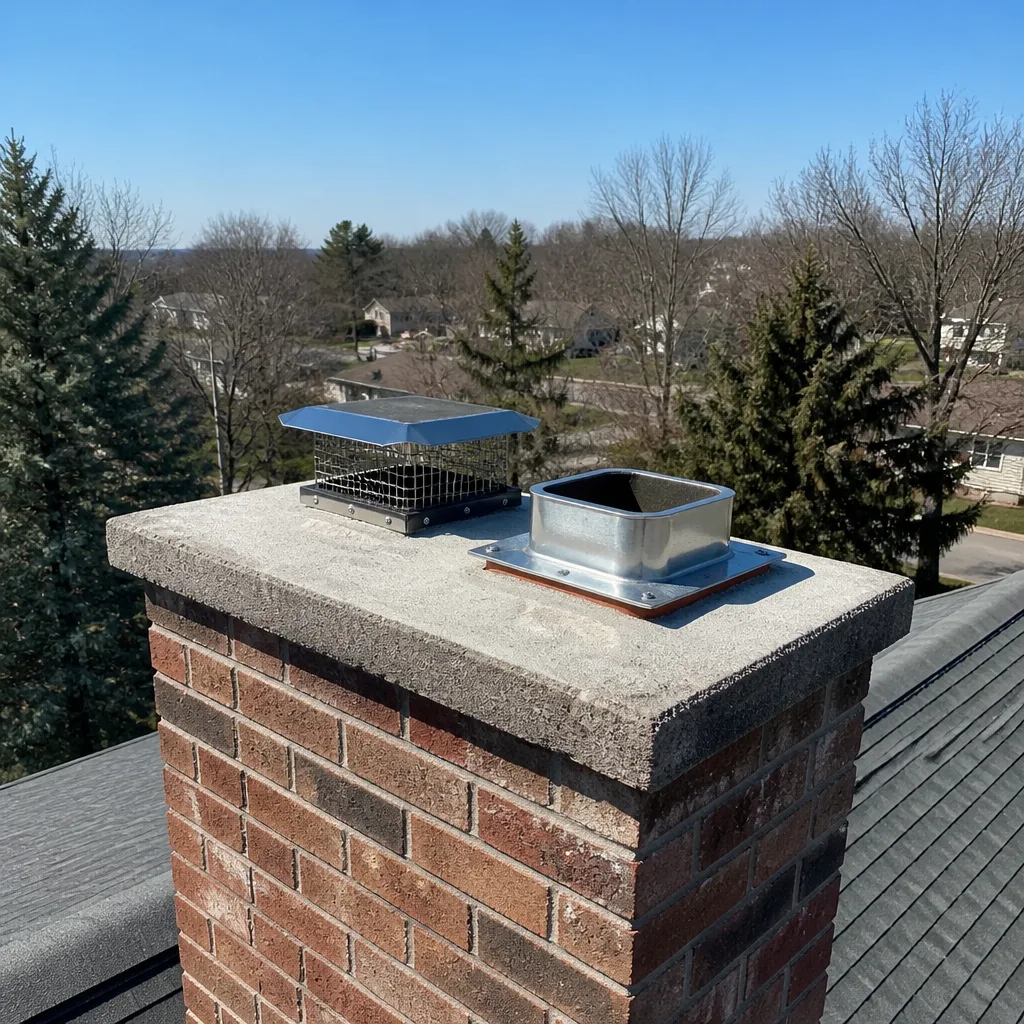 Sweep & inspection
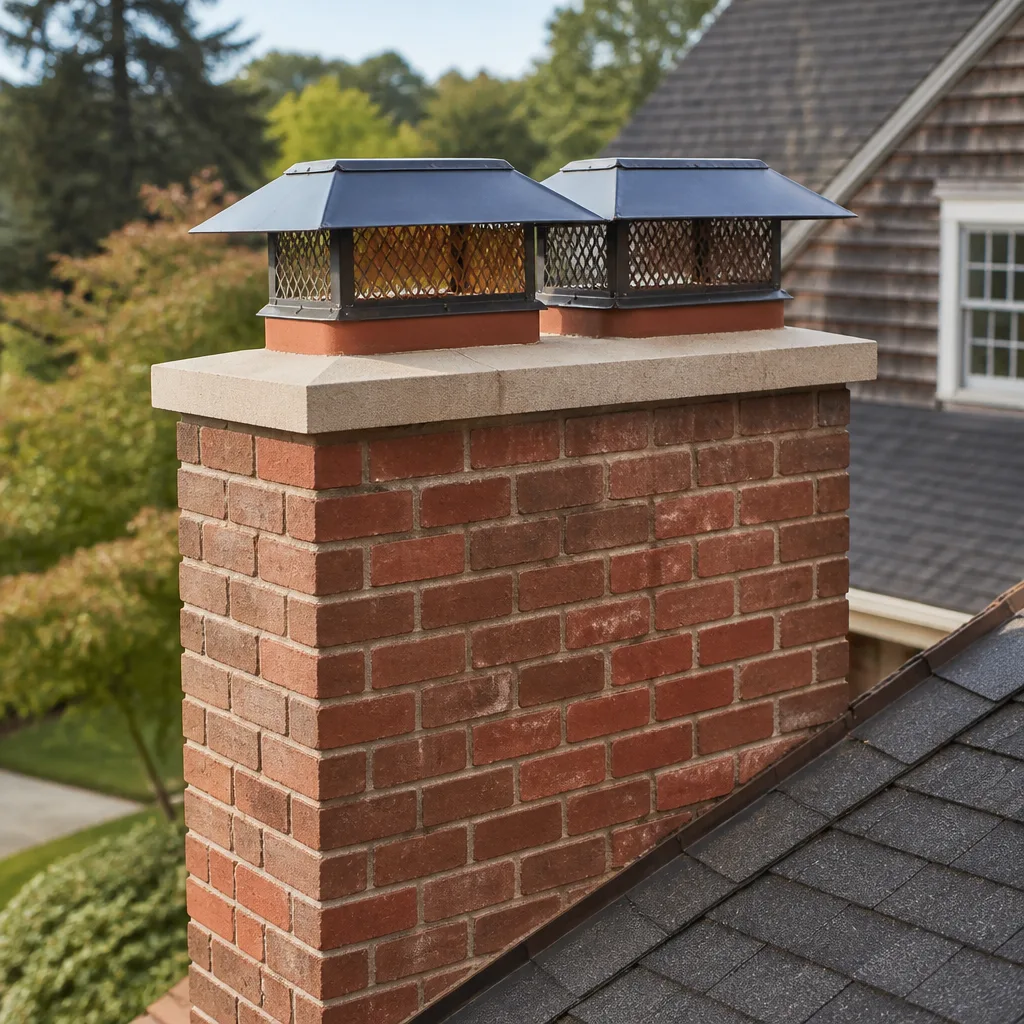 Caps & crowns
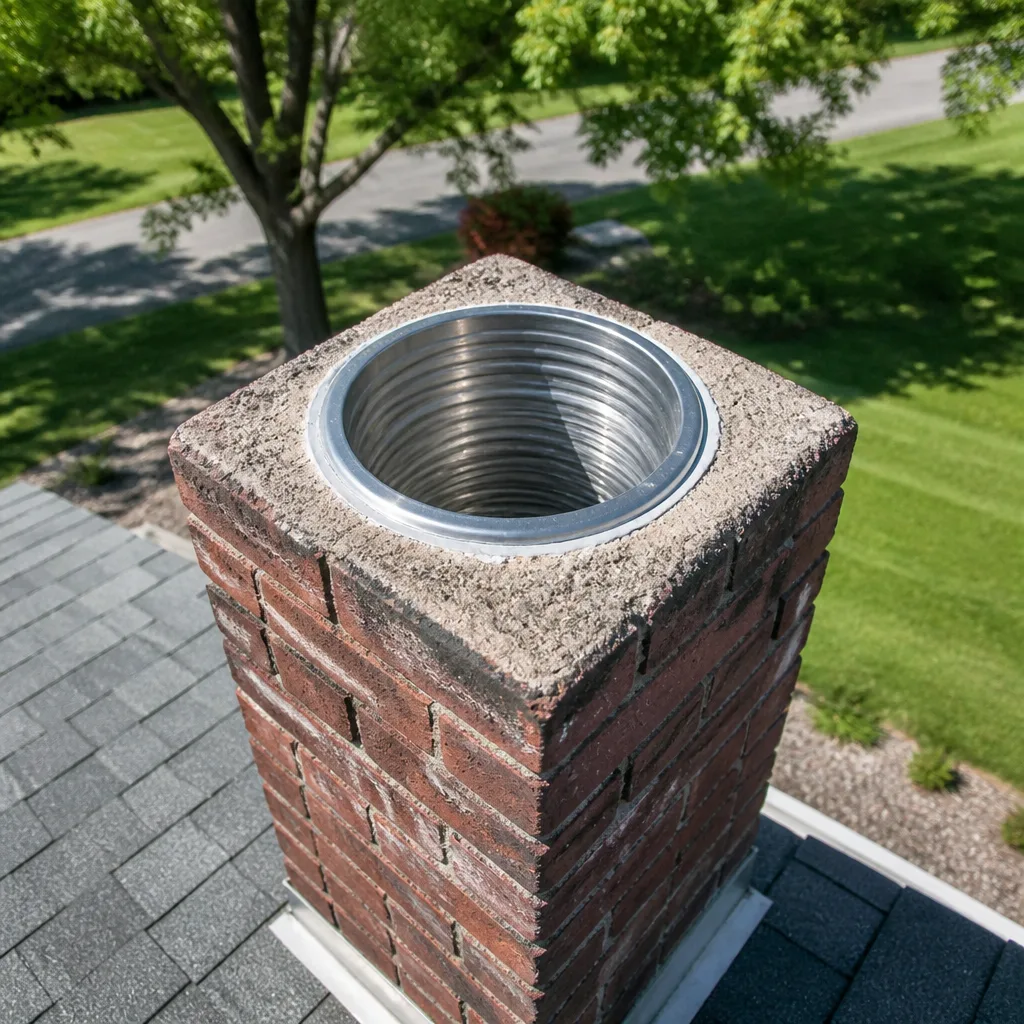 Flue relining
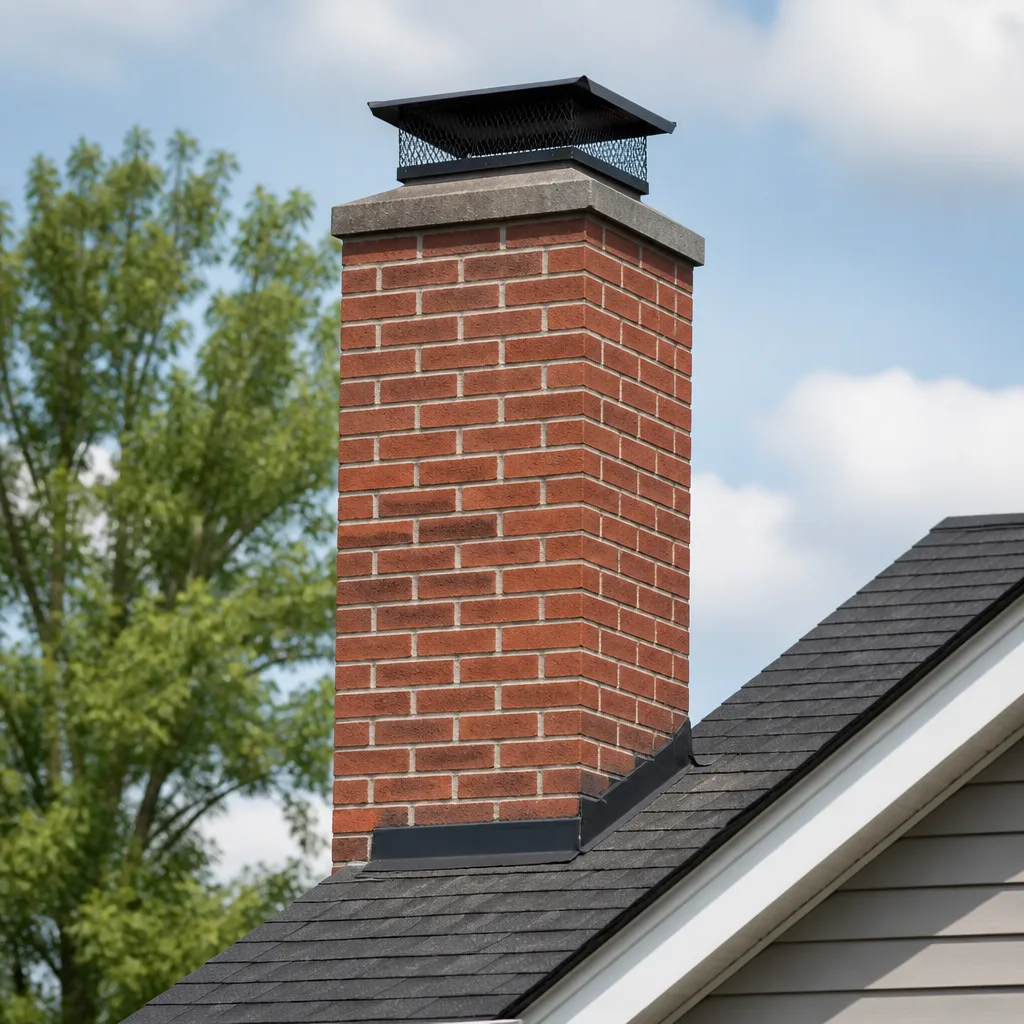 Masonry repair
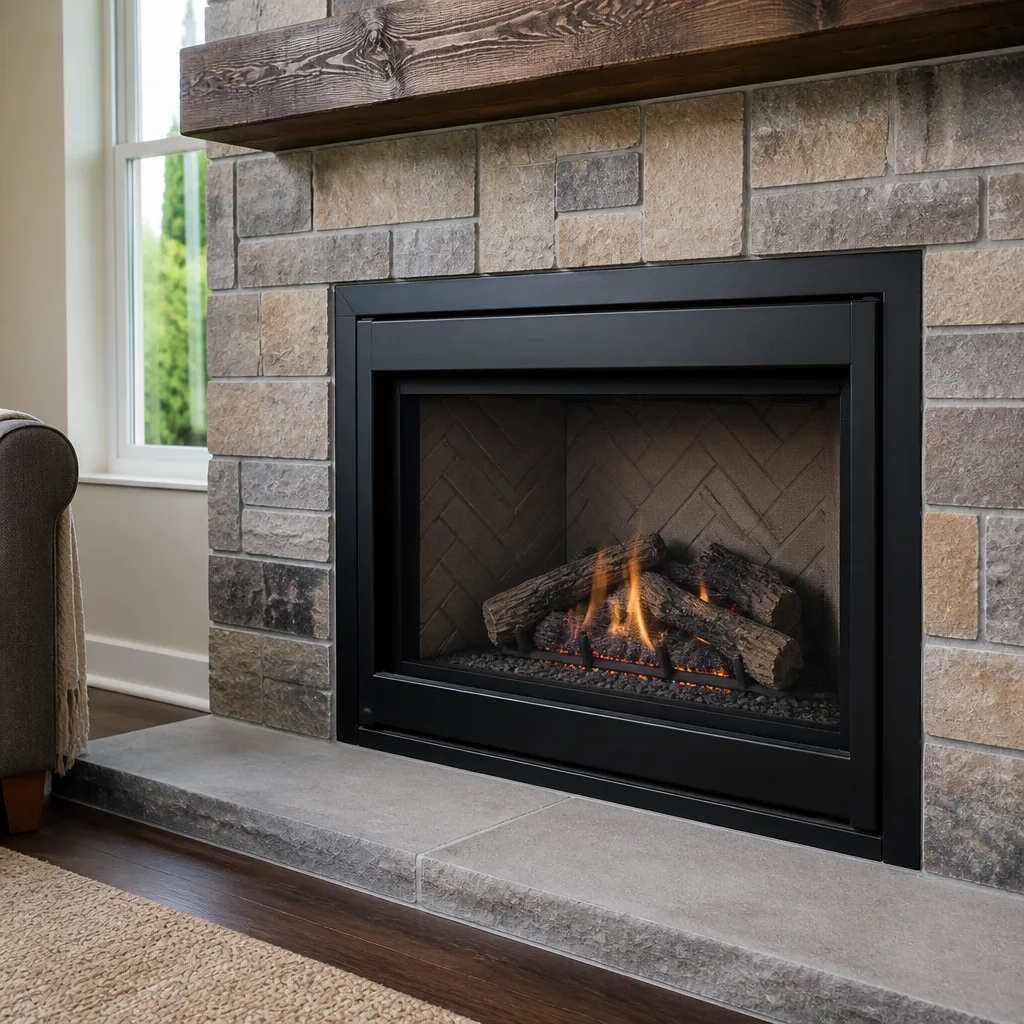 Gas fireplace service
Level 1 sweep and inspection to the NFPA 211 annual standard - flue, crown, cap, and flashing checked and photographed
Chimney sweep logs do not sweep chimneys. They loosen some creosote - which then falls where a brush and vacuum still have to collect it.
Chimney Sweep Maintenance Checklist for Saratoga Springs Homeowners
The task most Saratoga Springs homeowners skip isn’t the annual sweep. It’s the crown check that should happen every spring, right after the last freeze. Winter freeze-thaw cycles crack crowns and mortar joints long before anyone notices, and then spring rains drive water straight into the masonry. A cracked crown doesn’t announce itself. It just quietly ruins the flue you paid to reline. This guide gives you a working maintenance document, organized by season and sorted by who should actually do each task. Some checks are visual, homeowner-level work. Others need a trained eye and a camera. Knowing which is which saves you money and keeps the system safe.
Quick Answer
A Saratoga Springs chimney needs professional sweeping and a full inspection once a year, a crown and cap check every spring, a rain-cap and flashing check before winter, and an immediate inspection any time you notice cracked masonry, rust stains, or smoke backing into the room. Homeowners can do visual checks of the firebox, cap, and exterior brick from the ground. Anything involving the flue interior, the crown repair, or a liner evaluation belongs to a trained chimney professional with a camera. The recommended annual maintenance for active wood-burning fireplaces falls before fall burning season, and gas fireplaces still need an annual inspection even though they don’t produce creosote.
Styles & brands we work with
- Sweep & inspection
- Caps & crowns
- Flue relining
- Masonry repair
- Gas fireplace service
Table of Contents
- Why a Checklist Beats a Reminder
- The Seasonal Schedule for Northern Utah Chimneys
- Homeowner Checks vs. Professional Tasks
- Crown and Cap Inspection for Freeze-Thaw Exposure
- What the Annual Sweep and Inspection Actually Involves
- What to Document After Each Visit
- Red Flags That Bump Maintenance to Urgent
- Maintenance for Gas Fireplaces and Inserts
Why a Checklist Beats a Reminder
A reminder to “get the chimney checked” gets buried under a hundred other tasks. A checklist with seasons attached to it doesn’t. Saratoga Springs sits in a high-desert climate with wide temperature swings between day and night, which is exactly the kind of environment that moves masonry around. Freeze-thaw cycles do the slow damage. Water gets into a hairline crack, freezes overnight, expands, and widens the crack by a fraction. Repeat that a few hundred times over a winter and a small crack in a crown becomes a structural problem. The chimney itself doesn’t tell you it’s happening.
A written checklist fixes two failure modes: forgetting a task entirely, and doing the wrong task twice while skipping a more important one. It also gives you a record. When a technician tells you during a fall inspection that the crown needs repair, and you can pull out a spring checklist that says the crown looked intact, that’s useful context for both of you.
We work from cap to firebox, so our own inspection process is organized the same way: crown first, then cap, then flashing, then exterior masonry, then down to the firebox and liner. Your home checklist should follow a similar order from the top down. It’s the fastest way to see whether a problem is a surface cosmetic issue or a water intrusion issue that’s been working on the interior of the chimney for months.
What this checklist covers that generic ones miss
- Timing tasks around Utah’s high-desert freeze-thaw season instead of a vague “annual” label
- Clear boundaries between safe homeowner visual checks and professional-only tasks
- A crown-specific inspection cadence tied to the spring thaw
- A documentation routine that protects you at claim time or resale
- Red-flag conditions that should override a scheduled visit and pull in an urgent inspection
The Seasonal Schedule for Northern Utah Chimneys
A chimney in Saratoga Springs sees four distinct maintenance seasons, and each one has specific tasks attached to it. Laid out in order, the year looks like this:
- Early spring (after the last hard freeze): Walk the exterior. Look at the crown, the cap, and the mortar joints. Check for new cracks, spalling brick faces, and water staining on the exterior masonry. This is the single most important check of the year in a freeze-thaw climate.
- Late spring: Book the professional chimney sweep and inspection. Doing this before summer means any repairs found get scheduled and finished before burning season. It also gives you a written report to review while the weather is warm.
- Summer: Handle repairs and upgrades. Crown repair, cap replacement, and liner work are all easier to schedule and complete when the system isn’t in active use. If a HeatShield flue resurfacing is on the list, this is the window.
- Early fall (before the first fire): Final inspection. Confirm the cap is secure, the flashing is tight, and the flue is clean. This is your pre-season check and it prevents opening the season with a blocked flue or a loose cap.
- Winter: Observe only. Note any smoke backing into the room, unusual smells, or creosote buildup on the firebox walls. Don’t schedule repairs into the middle of the burning season unless something is actively wrong.
A chimney sweep visit fits into late spring or early fall, and either one works. The point is to do it once, in the shoulder seasons, and not miss it. Saratoga Springs homeowners who wait until the first cold week often end up on a longer schedule than they’d like.
The reason the schedule looks like this instead of a simple “once a year” reminder is simple: a chimney is a system that holds water badly and holds fire safely only when everything from cap down is intact. Water is the more common problem. Air gets colder faster than the masonry, moisture condenses on the crown and upper masonry, then a hard freeze cracks it. A spring crown check catches this before the summer rains finish the job.
Homeowner Checks vs. Professional Tasks
The line between what you can safely check yourself and what needs a trained chimney professional comes down to access and risk. Visual checks that you can do from the ground with binoculars or inside the firebox with a flashlight are homeowner tasks. Anything that requires climbing onto the roof, reaching into the flue, or evaluating the internal liner structure is not.
This isn’t about liability. It’s about the fact that the most dangerous parts of a chimney are the ones you can’t see from the ground, and the tasks that involve climbing and reaching into the flue carry real injury risk. A trained chimney professional has the tools, the camera, and the safety training for both.
Homeowner visual checks (safe, do these yourself)
- Look at the crown from ground level. Is the slope intact, or is there a visible crack?
- Check the cap. Is it seated flat and secure, or is it tilted or missing?
- Look at the exterior brick at the top of the chimney. Are the faces intact, or are they flaking and falling off (spalling)?
- Check the firebox from inside the room. Look for cracked firebrick, gaps in the mortar joints, and any rust on the damper.
- Confirm the damper opens and closes smoothly.
- During the first fire of the season, watch for smoke backing into the room rather than drafting up.
Professional tasks (do not attempt)
- Any roof access, including cap and crown inspection up close
- Interior flue inspection and any camera work in the liner
- Removing creosote from the flue
- Evaluating whether a liner needs resurfacing or replacement
- Repairing the crown, replacing the cap, or re-flashing the chimney at the roofline
- Assessing structural masonry problems on the chimney stack
We’ve seen plenty of rain caps that got “fixed” by a homeowner standing on the roof with a ladder and then ended up sitting crooked because the seal wasn’t tight. We’ve also seen handymen reach into a flue to clear it and knock out a loose piece of mortar that ended up resting at the base of the liner. The visual-only rule is there for a reason. Our technicians have up to 15 years of experience and work exclusively in the chimney trade, which is a different skill set from general handyman work.
Crown and Cap Inspection for Freeze-Thaw Exposure
The crown is the sloped concrete surface at the very top of the chimney that sheds water away from the flue. When it’s intact, it does its job without any drama. When it cracks, water gets into the masonry below and starts a cycle that runs the whole length of the chimney. Saratoga Springs gets freeze-thaw cycles from late fall through early spring, and each one works on existing cracks. The crown check is the single task we’d tell you not to skip if you only did one thing this year.
The right cadence for a Saratoga Springs chimney is a spring check every year, plus a close inspection from the roof by a professional every fall. The spring check catches what winter did. The fall check catches what the summer and early fall did, and confirms the system is ready for burning season. The two together give you the full picture.
What to look for on the crown from the ground
- Any visible crack across the crown surface, however thin
- A crown that has lifted slightly on one side or is no longer sitting flat against the flue
- Water staining or dark streaks running down from the crown into the masonry
- Moss or vegetation growth between the crown and the masonry face
- Chunks of concrete missing from the crown edge
Crown repair isn’t glamorous work but it protects the whole structural investment. A crown replacement uses a trade-grade material, properly sloped and sealed. Doing it before a crack widens saves the masonry work that would otherwise follow. Once water is into the brick and mortar, the repair list grows.
What the cap does and why it matters
The chimney cap is the top plate that keeps water, birds, and debris out of the flue when the chimney isn’t burning. It’s the most underrated piece of the chimney system. A missing or damaged cap lets water into the flue directly, which is the fastest way to ruin a liner that’s still in good shape. Cap replacement is a standalone service and doesn’t require a full chimney evaluation to book it, though we always check the crown and flashing while we’re up there.
We install caps as a standard finish to a repair or liner job for exactly this reason. Finishing a liner job without addressing the cap is like waterproofing a basement and leaving the window open. We use caps from brands like Copperfield and Olympia Chimney because they hold up to Utah temperature swings without deforming at the seam.
What the Annual Sweep and Inspection Actually Involves
A chimney sweep removes creosote and soot from the flue and firebox. An inspection evaluates the full chimney system and tells you exactly what condition it’s in. Both should be done in the same visit. The sweep without an inspection tells you the flue is clean but not whether it’s sound. The inspection without the sweep gives you a report but leaves the creosote in place. Two different questions, one visit.
The chimney sweep visit should cover the entire system from cap to firebox. Here’s what a proper visit looks like in order:
- Exterior visual check of the cap, crown, flashing, and masonry from the roof
- Interior firebox inspection, including firebrick, damper, and the smoke chamber
- Flue sweep, using the appropriate brush for the liner type on that chimney
- Camera inspection of the flue to check the liner wall, joints, and termination at the top
- Debris cleanup and a photo record of anything noteworthy
- Written report covering current condition, any deficiencies, and recommended next steps
A full-system inspection should evaluate firebox, liner, crown, cap, flashing, and exterior masonry in a single visit. If a service tells you they’ll “check the flue” and leave it at that, they’re skipping problems that live at the top of the chimney, which is exactly where freeze-thaw damage concentrates in a Saratoga Springs home.
Book the Chimney Sweep Saratoga Springs visit into the late-spring or early-fall window on your calendar. Late spring gives you time to fix what’s found before burning season. Early fall gives you a final confirmation that the system is ready to use. If you’ve never had the chimney swept since you moved in, book it before the first fire regardless of season. You don’t know what’s in the flue until a camera has been through it.
If the inspection finds damage, the chimney repair process starts with the report, not the truck. Ask what evidence supports the repair. Camera photos, written notes, and clear reasoning should be part of the conversation. If a repair can safely wait, you should be told that too.
What to Document After Each Visit
Documenting a chimney maintenance visit takes about ten minutes and pays for itself the first time you need a claim, sell the home, or hand the chimney to a new technician. Most homeowners don’t do it. The ones who do end up with a clear record of what condition the chimney was in and when.
Here’s what to keep from each professional visit:
- The written inspection report, dated, including the sweep’s name and any credentials listed
- Photos of the flue interior from the camera inspection, even if they just show a clean liner
- Photos of the crown, cap, and flashing from the exterior inspection
- The specific repairs recommended, with cost estimates and urgency ratings
- The date of the sweep, so the next year’s schedule is easy to set
- Any parts or materials installed, including brand names and product types
Why it matters for insurance: many policies include chimney fire and water damage coverage, but claims get argued about cause. A documented history showing the chimney was swept on schedule and that previous damage was identified and addressed protects your position. A claim filed with no maintenance record invites questions about whether the damage was preventable.
Why it matters for future repairs: a technician looking at a chimney with no history has to assume less and inspect more. With a documented report from two years ago, that technician knows what was in good shape and can focus the inspection on what’s changed. It’s the difference between a full diagnostic and a targeted check.
Why it matters for resale: a documented chimney maintenance history is one of the credits a homebuyer’s inspector will look for. It also supports a credible pre-sale chimney inspection, which is often requested during the sale process.
Red Flags That Bump Maintenance to Urgent
Scheduled maintenance is the baseline. Some conditions override the schedule and should pull in an urgent inspection now, not at the next visit. These are the ones we want homeowners to know cold:
- Smoke backing into the room during normal burning. This can indicate a flue blockage, a cracked flue, or a draft problem. Stop using the fireplace and get the flue checked.
- A strong or unusual smell when the fireplace isn’t burning. A persistent smoky or creosote smell can be a sign of a blocked liner or a draft issue.
- Visible cracks in the firebox or the surrounding masonry. Cracked firebrick isn’t cosmetic. It can let heat through to the surrounding structure.
- Rust or water stains on the damper, the firebox, or the exterior masonry. Water in the chimney is a repair now condition, not a repair next year condition.
- Chunks of masonry or debris in the firebox after a burn. Loose pieces from the flue can indicate liner damage.
- A missing or visibly damaged chimney cap. Water in the flue over a winter does real damage quickly. Cap replacement should not wait.
- Any sign of a chimney fire (a roaring sound, loud cracking, a strong burning smell, or black smoke coming from the top). Stop using the fireplace and get a professional out before burning again.
If any of these show up, call rather than book through the regular schedule. Call (833) 468-6033. We answer 24/7. Fast dispatch from 7am to 7pm, Sunday through Friday.
Maintenance for Gas Fireplaces and Inserts
A gas fireplace doesn’t produce creosote, so it doesn’t need the same sweep schedule as a wood-burning fireplace. It does still need an annual inspection, and the checklist is different. The flue can still collect debris over a year. The vent can still be blocked by a bird nest. The fireplace itself has components that need to be checked for wear.
The annual gas fireplace inspection should cover:
- The flue for debris or a blockage at the termination
- The vent system for proper drafting
- The burners, logs, and ignition components for wear and proper seating
- The firebox and surrounding masonry for any signs of heat or moisture damage
- The glass front for cracks or seals that have loosened
When a gas fireplace does develop a problem, the fix usually lives in the fireplace repair category rather than the chimney repair list. Burner problems, ignition issues, and glass seals are all fireplace-side work. Damage to the flue or masonry is chimney-side. We handle both without subcontracting, so a problem on one side of the firebox doesn’t turn into a handoff to another contractor.
Gas fireplace red flags
- Any carbon monoxide alarm going off while the fireplace is on
- A rotten egg smell near the fireplace (natural gas odorant)
- Visible soot or dark staining on the logs or firebox walls
- The pilot light repeatedly failing or the flame burning unevenly
- Any signs of moisture or water intrusion around the firebox
Carbon monoxide is the specific safety risk with gas fireplaces and it’s the reason an annual inspection isn’t optional. A blocked or partially blocked vent can push exhaust into the room instead of outside. A working CO alarm and a yearly inspection are the two things that close that gap.
Common Mistakes to Avoid
- Skipping the spring crown check because the fall inspection passed. Fall confirms the crown is ready for winter. Spring catches what winter did to it. Both checks matter, and the spring one catches freeze-thaw damage that hasn’t shown up in the flue yet.
- Sweeping the chimney but skipping the inspection. A clean flue isn’t a sound flue. The camera inspection is what tells you whether the liner has a problem you can’t see from the firebox. A sweep is half the visit.
- Fixing a crown without fixing the cap (or the reverse). Cap and crown protect each other. Water can get in either way. Doing one and not the other leaves the same problem in place. We always check both together for exactly this reason.
- Climbing onto the roof for a “quick check” in Saratoga Springs winter. Roofs in this region can be snow-covered or icy well into spring. Falls from ladder height are the most common chimney-related injury. Visual checks from the ground with binoculars cover the same ground without the risk.
- Waiting until the first cold week of the season to book the annual sweep. Everyone else does the same, and the schedule backlog is real. Booking in late spring or early fall gets you a slot when you actually want one.
- Not keeping the inspection report. A chimney with documented maintenance history is worth more at resale and defensible at claim time. The report costs nothing to keep and prevents a lot of friction later.
- Assuming a gas fireplace doesn’t need inspection. It needs less frequent sweeping than wood, but the vent and burner check are annual items. Carbon monoxide risk exists in gas systems even without creosote.
- Reaching into the flue to clear a blockage yourself. The flue holds fragile liner surfaces, and a wrong move can do permanent damage or dislodge material into the firebox. This is a job for a trained technician with a camera and the right tools.
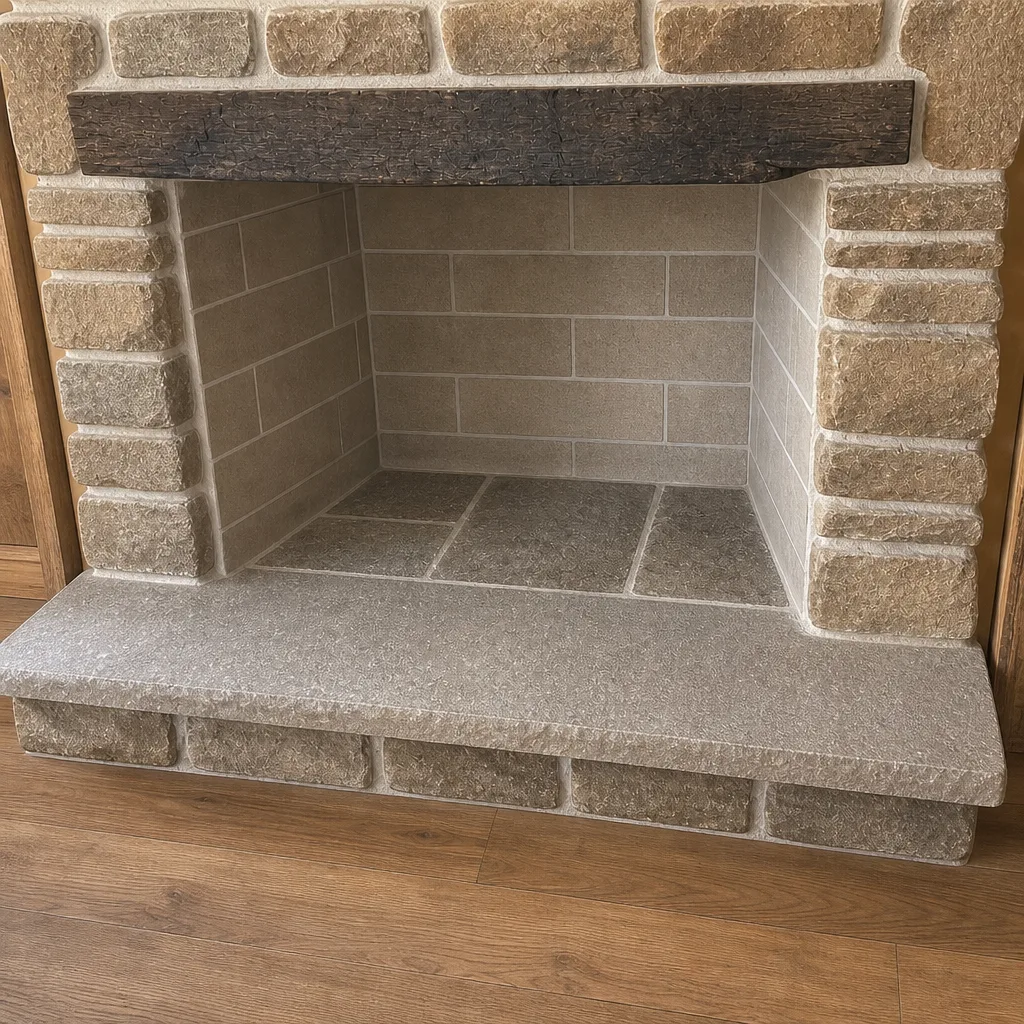
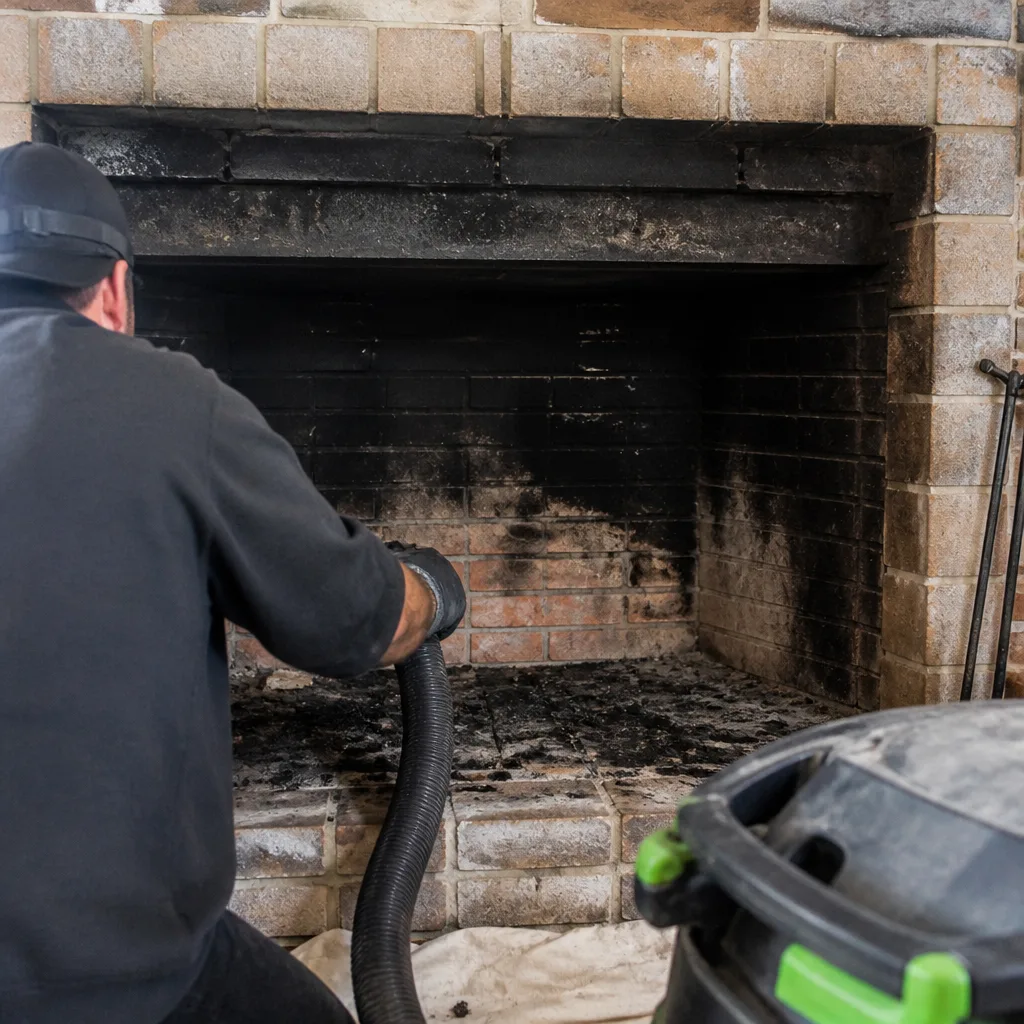
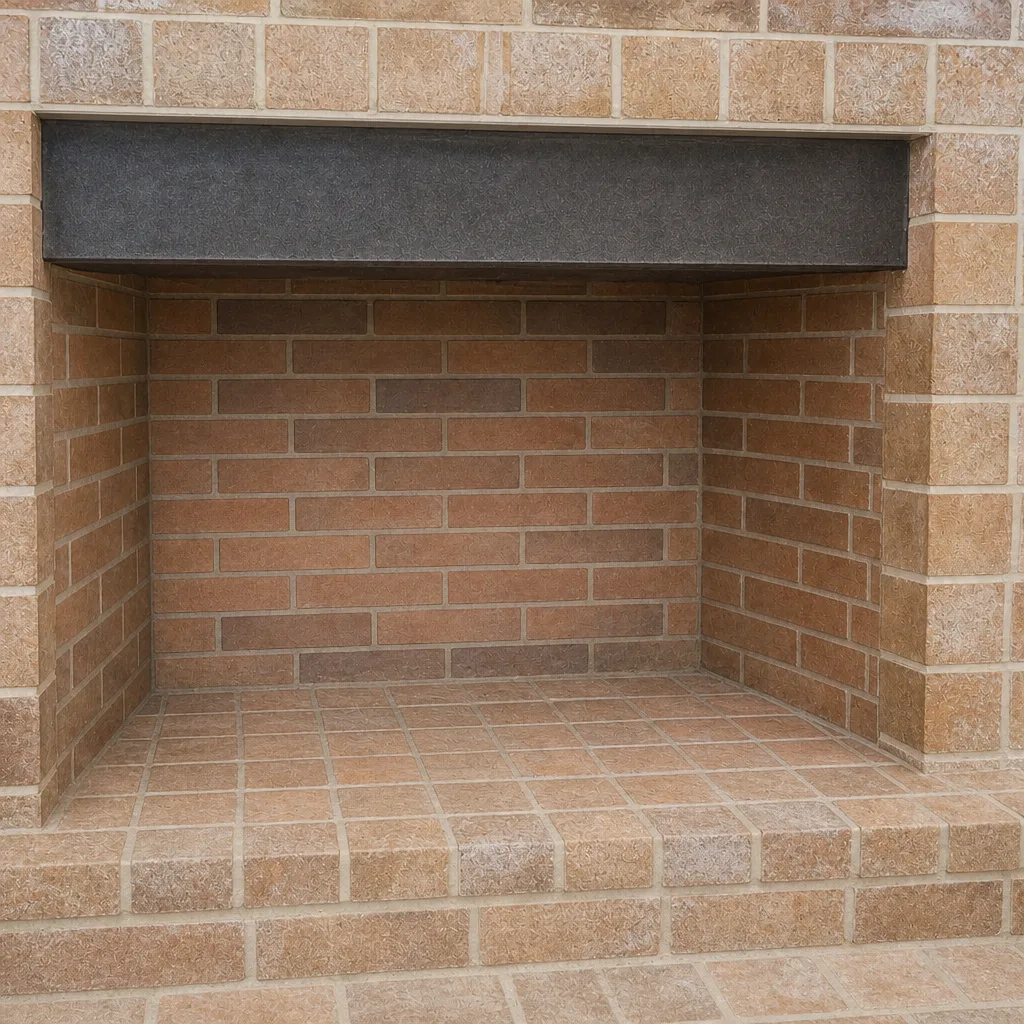
See the difference
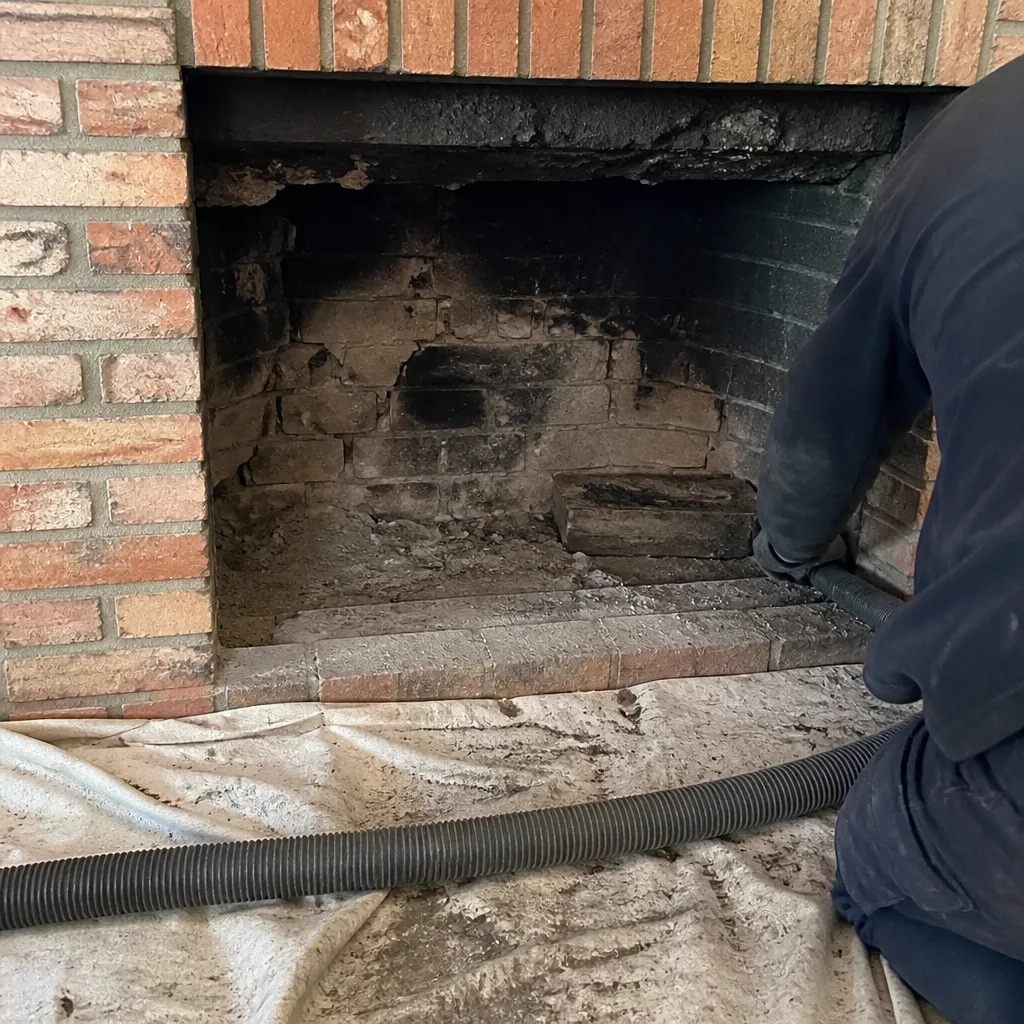 Before
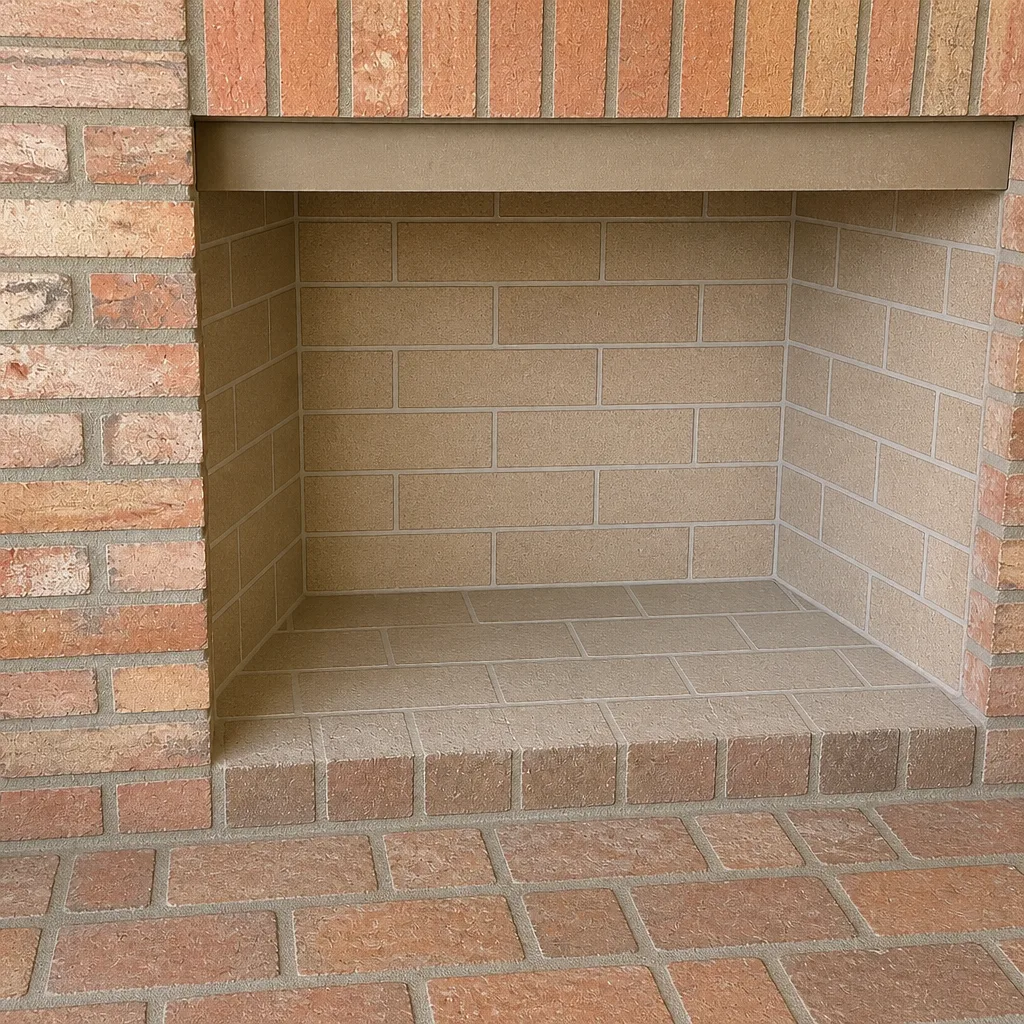 After
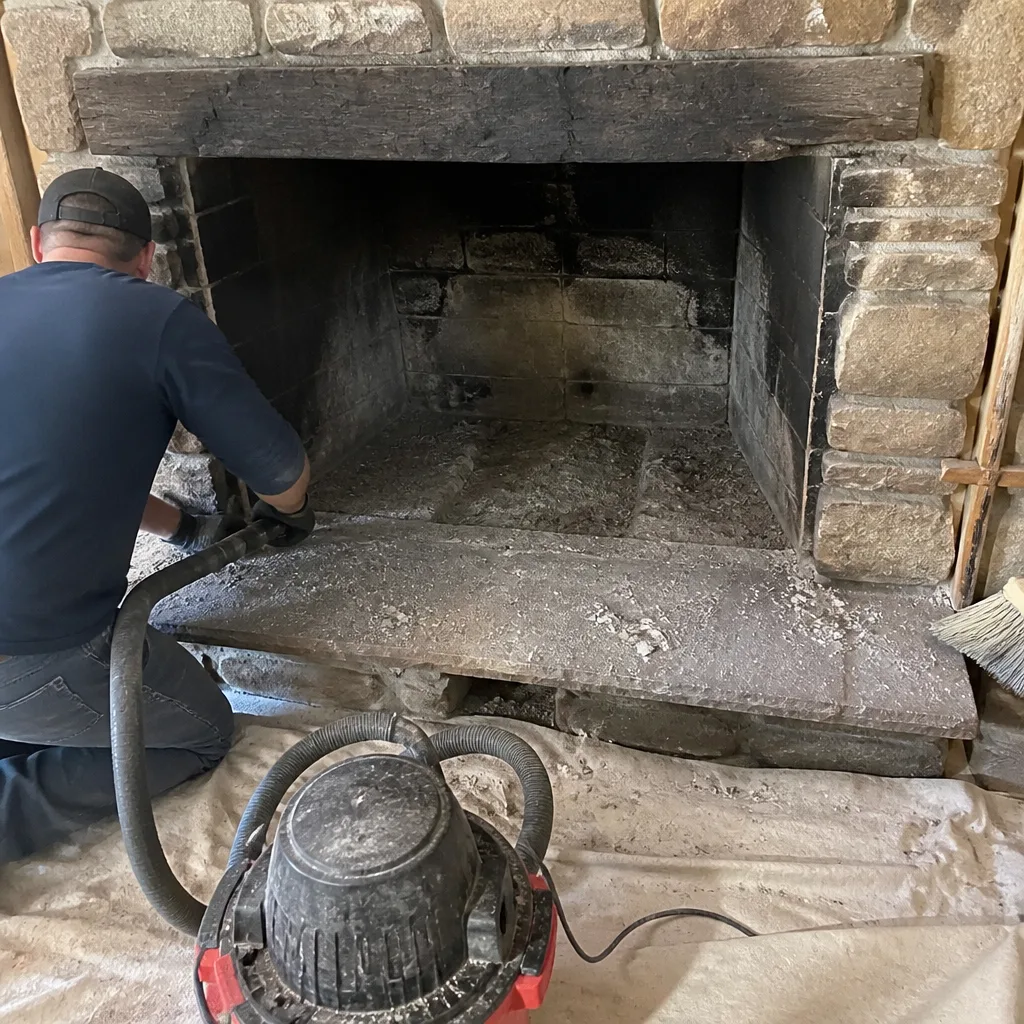 Before
 After
 Before
 After
When to Call a Professional
Call for the annual sweep and full-system inspection, always. Call sooner if any red-flag condition from the list above shows up. Call before your first fire of the season if the chimney hasn’t been swept since you moved in, regardless of what the previous owner said about maintenance. Call for any crown, cap, or masonry repair, including a cap that’s just tilted or missing. Call for a full-system evaluation if a home inspector flagged the chimney during a sale. Call for a gas fireplace that isn’t burning evenly or has a smell near the firebox.
Chimney Sweep Saratoga Springs offers free estimates in Saratoga Springs and can work with your insurer if damage is involved. Call (833) 468-6033. We answer 24/7. Fast dispatch from 7am to 7pm, Sunday through Friday.
Frequently Asked Questions
Once a year for an actively used wood-burning fireplace, and once every two to three years for a lightly used one. The annual visit should include both the sweep and a full-system inspection. If you burn wood regularly through the winter, the yearly schedule is the one to keep. Call (833) 468-6033 to book the sweep and inspection together.
A typical chimney sweep costs in the low-to-mid hundreds of dollars, and a combined sweep plus full-system inspection usually runs a bit more. The final price is set per job by the written estimate. Free estimates are available before you book. Call (833) 468-6033 for an exact quote.
Only if the inspection shows your existing liner has damage the camera can see. A liner in good condition doesn’t need replacing. When a liner is deteriorated but structurally intact, a HeatShield flue resurfacing can sometimes restore it without a full tear-out. Ask for the camera evidence before agreeing to any liner work. Call (833) 468-6033 if you want a second opinion.
The creosote deposits in the flue keep building. Creosote is flammable, and a thick enough layer can ignite during a routine fire. Skipping the sweep also means skipping the inspection, so a cracked crown or damaged cap goes unnoticed until water damage or a flue blockage becomes visible inside the home. Call (833) 468-6033 to get back on schedule.
No creosote sweep is needed, but an annual inspection is. Gas fireplaces still need the vent checked for debris and blockage, the burners checked for wear, and the firebox checked for moisture damage. A carbon monoxide risk exists in any gas system with a blocked vent. Call (833) 468-6033 to book the annual gas inspection.
You can do the ground-level visual checks safely: crown, cap, exterior masonry, firebox, damper. You cannot safely inspect the interior flue, evaluate the liner, or climb the roof. The camera-based flue inspection and any repair work should go to a trained chimney professional. Call (833) 468-6033 to book the professional side of the checklist.
The Bottom Line
A chimney maintenance checklist for a Saratoga Springs home should be organized around the season, not a printout with a generic “annual” label on it. Spring crown and exterior check, late-spring or early-fall sweep and inspection, summer repairs, fall final confirmation. Homeowner visual checks from the ground, professional tasks involving the flue and the roof. Document each visit. Watch for red flags and treat them as urgent rather than routine. That structure is what protects a chimney through northern Utah freeze-thaw cycles and keeps a wood-burning or gas fireplace safe from one season to the next.
When you’re ready for the professional side of the checklist, call (833) 468-6033. Free estimates in Saratoga Springs. We answer 24/7. Fast dispatch from 7am to 7pm, Sunday through Friday. If you want a place to start, Chimney Sweep Saratoga Springs is where the annual visit gets booked.
Written by the team at Chimney Sweep Saratoga Springs.